
Australia’s ISIS Brides: The Deadly Dilemma – Should We Let Them Return?
- Eleven women who joined ISIS in Syria are fighting to return to Australia, sparking a national security crisis
- Senior ministers defend “very strict” passport laws, but the opposition demands tougher action to protect Australia
- The government’s dilemma: balance national security concerns with constitutional obligations to its citizens
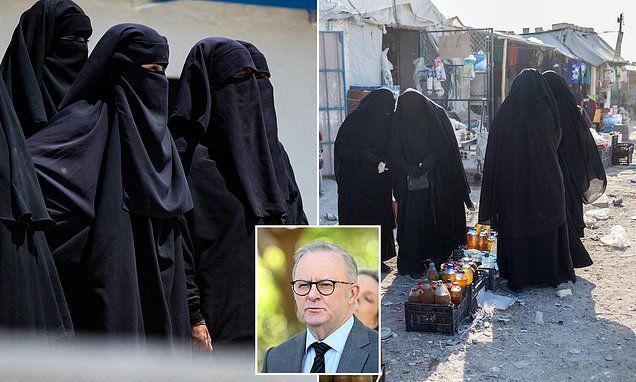
The debate over the return of Australian “ISIS brides” has reached boiling point, with senior ministers and opposition leaders locked in a heated battle over national security and constitutional obligations. At the heart of the controversy are 11 women who joined the Islamic State in Syria and are now fighting to return to Australia, sparking fears of a potential security threat.
Health Minister Mark Butler has pushed back against criticism from Coalition figures, insisting that constitutional limits prevent governments from arbitrarily blocking citizens from returning home. “These are, of course, the same passport laws that operated under the former government when about 40 people came back from Syria, not just women and children but also fighters themselves,” Butler said. However, opposition leaders are demanding tougher action to protect national security, arguing that the current laws do not go far enough.
The debate has sparked a national conversation about the balance between national security concerns and constitutional obligations to its citizens. One of the 11 women attempting to return has been issued with a Temporary Exclusion Order, blocking her entry for up to two years on national security grounds. However, the government’s decision has been met with criticism from opposition leaders, who argue that the laws are not strict enough.
Analysis: What This Means for Australia
The return of the ISIS brides poses a significant national security risk to Australia. The women’s involvement with the Islamic State raises concerns about their potential to radicalize others and carry out terrorist attacks on Australian soil. Furthermore, their return could also pose a challenge to Australia’s social cohesion, particularly in light of the country’s history of terrorist attacks.
Security analysts say that the government’s decision to allow the women to return could have far-reaching consequences for national security. “The return of these women could lead to a heightened risk of terrorist attacks and radicalization in Australia,” said one expert. “The government needs to take a tough stance on national security and ensure that those who pose a risk to the country are not allowed to return.”
Law enforcement insiders warn that the return of the ISIS brides could also put a strain on Australia’s law enforcement resources. “The police and security agencies will need to closely monitor the activities of these women and their families, which will require significant resources and manpower,” said one insider.
The economic and social consequences of the women’s return should also not be underestimated. The cost of providing support and resources to the women and their families could be significant, and the impact on social cohesion could be far-reaching.
In conclusion, the return of the ISIS brides poses a significant national security risk to Australia. The government needs to take a tough stance on national security and ensure that those who pose a risk to the country are not allowed to return. The opposition’s call for tougher laws is a step in the right direction, but the government must also consider the broader implications of the women’s return on national security, social cohesion, and the economy.