
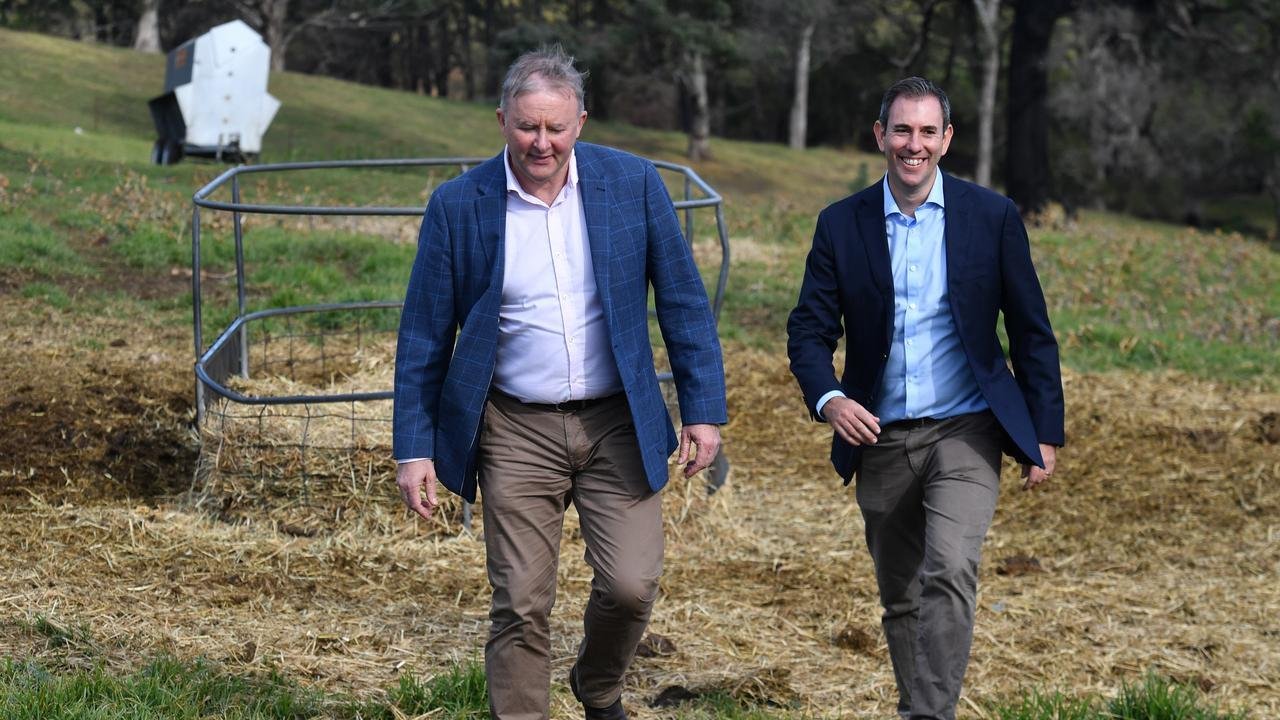
Australia on Brink of Historic EU Trade Deal: What It Means for Our Farmers, Economy, and National Security
- Australia and the EU are poised to sign a landmark free trade agreement, opening up new markets for local producers but sparking fears of increased competition and compromises.
- The deal could see Australian dairy farmers struggle to compete with European imports, while wine producers face a battle to retain the use of geographical names like prosecco.
- The agreement is expected to boost competition and choice for consumers, but raises concerns about the impact on local industries and national security.
The Australian government is on the cusp of finalizing a historic free trade agreement with the European Union, a move that could have far-reaching implications for the nation’s farmers, economy, and national security. After years of negotiations, the deal is expected to be signed within weeks, paving the way for increased trade between the two regions.
For Australian farmers, the agreement presents a mixed bag. On the one hand, it could open up new markets and opportunities for local producers. On the other hand, it raises concerns about increased competition from European imports, which could threaten the viability of certain industries. Dairy farmers, in particular, are worried about the potential influx of cheap European cheese, which could flood the market and push local producers to the limit.
“We cannot afford for our dairy industry to be flooded with more product coming in from Europe that will really, really push it to the limits,” said National Farmers Federation president Hamish McIntyre.
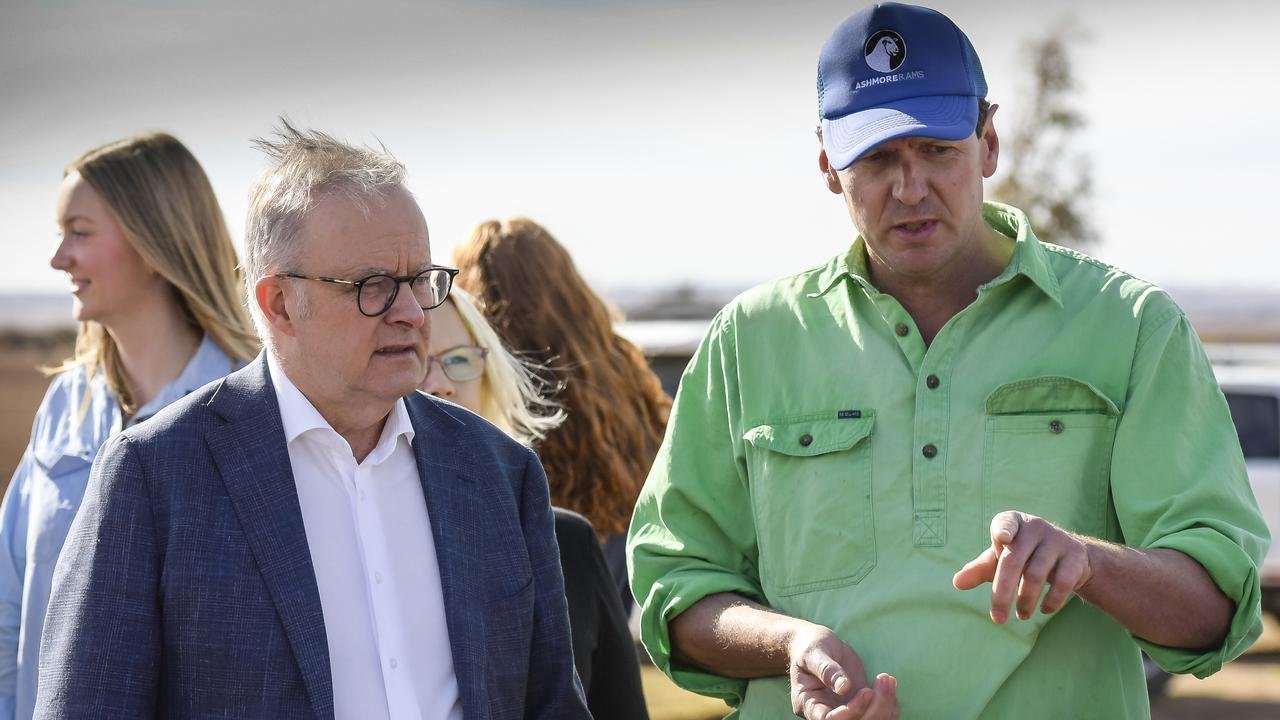
Wine producers are also on edge, with the EU pushing for Australia to stop using geographical names like prosecco, feta, and parmesan. This could have significant implications for the industry, with some producers fearing they will lose the right to use these names.
However, not all industries are concerned about the deal. Red meat producers, for example, are eagerly anticipating the new opportunities it will bring. “Improved access to the high-value EU market is long overdue,” said Riverina prime lamb producer Tom Bull.
So, what does this mean for Australia? In the short term, the deal could boost competition and choice for consumers, driving down prices and increasing the range of products available. However, it also raises concerns about the impact on local industries and national security.
Analysis: What This Means for Australia
The implications of this deal extend far beyond the agricultural sector. It has significant implications for Australia’s national security, economy, and trade relationships. Security analysts say the deal could increase Australia’s reliance on European imports, potentially compromising the nation’s food security. Law enforcement insiders warn that the increased trade could also create new opportunities for criminal organizations to exploit.
Industry observers believe the deal could also have significant economic implications, potentially driving down prices and increasing competition in certain sectors. However, it could also create new opportunities for Australian businesses to expand into European markets.
Ultimately, the success of this deal will depend on the government’s ability to negotiate a fair and equitable agreement that benefits all Australians. As Agriculture Minister Julie Collins said, “The government’s on the side of Australian ag and we want a deal that’s in the nation’s best interest.”
Only time will tell if this deal will be a boon or a bust for Australia. One thing is certain, however: it will have significant implications for the nation’s farmers, economy, and national security.