
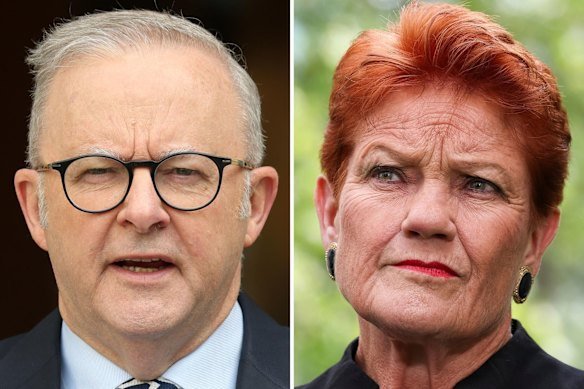
One Nation’s Rise to Power: How Pauline Hanson’s Party is Reshaping Australia’s Political Landscape
- A surge in One Nation support is pushing Australian politics to the right, particularly on immigration and national security issues.
- Prime Minister Anthony Albanese is hardening his stance on the so-called ISIS brides, fearing a repeat of the 2019 boat arrival crisis.
- One Nation’s influence is forcing Labor to adopt more hardline policies, allowing the Coalition to chase more extreme right-wing positions.
The rise of Pauline Hanson’s One Nation party is sending shockwaves through Australia’s political establishment, reshaping the national conversation on critical issues like immigration and national security. With a significant lift in support at the state level, One Nation is pushing the country’s politics to the right, and Labor is being forced to adapt.
Prime Minister Anthony Albanese, acutely aware of the dangers of being seen as soft on immigration, has hardened his rhetoric on the so-called ISIS brides. His government is refusing to provide repatriation or support to the 34 women and children stuck in Syria, connected to former Islamic State fighters. This stance is a calculated move to avoid a repeat of the 2019 boat arrival crisis, which saw scores of boats arrive on Australian shores.
But One Nation’s influence goes beyond just the Coalition. The party’s hardline rhetoric is also forcing Labor to adopt more contentious policies, allowing the Coalition to chase even more extreme right-wing positions. This shift is reshaping the political contest, with Labor’s position shifting out of necessity, not ideology.
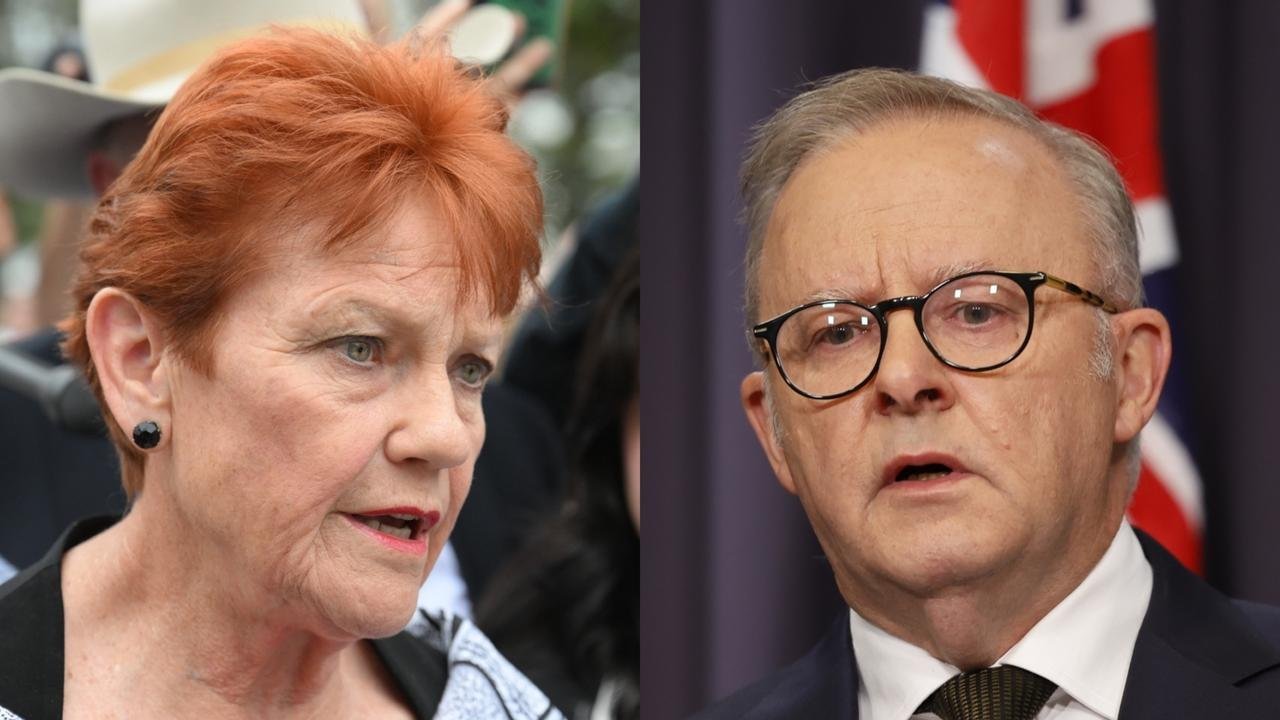
Senior Labor figures acknowledge the risk posed by One Nation, with one insider revealing that the party’s hardheads believe the shift allows Labor to “occupy the middle ground” where elections are won and lost. However, the bigger question is how much the issue is actually changing the so-called middle ground.
One Nation’s rapid rise is unprecedented in modern Australian politics. The party’s director of strategy and analytics, Kos Samaras, notes that the impact on Labor is complex and conditional, affecting specific groups in particular geographies. He cites Victoria and South Australia as examples, where the Labor premier acts as a “security fence” against the One Nation threat.
Redbridge Group’s analysis suggests that Labor is trying to contain breakouts in key electorates, including Hunter, Patterson, and Brisbane seats recently won by the party. This is especially important post-Bondi, where voters are already unhappy with both sides’ response to the incident.
Analysis: What This Means for Australia
The rise of One Nation has significant implications for national security, law enforcement, and community cohesion. As the party continues to push the political discourse to the right, there are concerns about the erosion of sympathy for the plight of the women and children stuck in Syria. Security analysts warn that this hardening of rhetoric could have unintended consequences, including increased radicalization and community tensions.
Law enforcement insiders caution that the government’s hardline stance may drive these individuals further underground, making it more challenging to track and prevent potential security threats. Industry observers believe that the economic and social consequences of this shift will be far-reaching, affecting not only the women and children involved but also the broader Australian community.
One thing is clear: Pauline Hanson’s One Nation party is reshaping Australia’s political landscape, and the consequences will be felt for years to come.