
Homeless in the Sunshine State: The Heartbreaking Reality of Queensland’s Housing Crisis
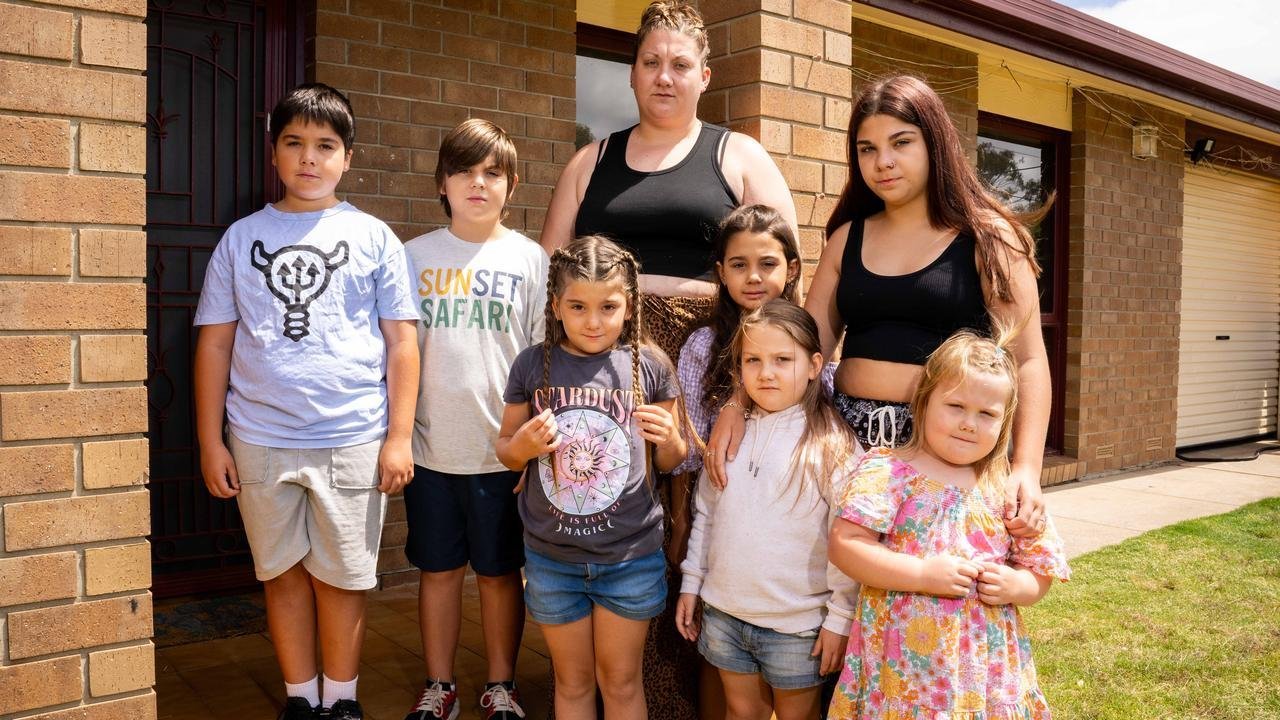
- A mother of seven is forced to live in a tent with her children in a public park due to Queensland’s outdated social housing income cut-offs.
- Rissa Blakely’s Centrelink payments are deemed too high, despite her family relying on charities to survive.
- The Queensland government’s refusal to increase social housing income thresholds has left many homeless families in limbo.
Rissa Blakely’s story is a stark reminder of the devastating consequences of Queensland’s housing crisis. The mother of seven has been living in a tent in a public park in Petrie, north of Brisbane, for four months, alongside her children. The reason? Her Centrelink payments, which are her sole source of income, are deemed too high to qualify for social housing.
The Queensland government’s rigid income cut-offs, which have remained unchanged for 20 years, have created a Catch-22 situation for families like the Blakelys. To be eligible for social housing, a single person with three or more children must receive less than $999 per week, including Centrelink payments. This translates to a meager $18 per person per day, an amount that is barely enough to cover the basics, let alone provide a decent standard of living.
Ms. Blakely’s situation is far from unique. The Queensland Council of Social Service has warned that the state’s social housing income thresholds have failed to keep pace with inflation, leaving many vulnerable families locked out of the system. “The fact that the eligibility criteria for that government support are locking out some of the most vulnerable people in our community is very concerning,” said Aimee McVeigh, the council’s chief executive.
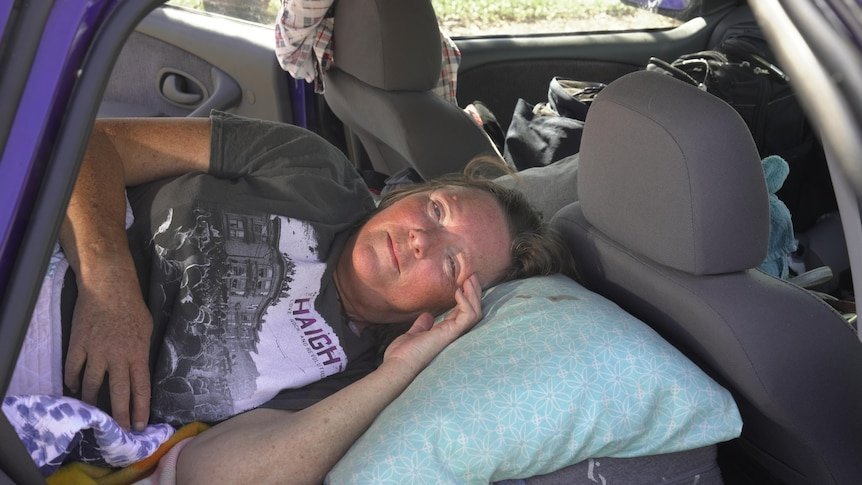
The Queensland government’s response to the crisis has been underwhelming. Housing Minister Sam O’Connor has blamed the previous government for the shortage of social housing, but has refused to commit to increasing the income thresholds. Instead, he has touted the government’s “record social and community housing build program,” which, while a step in the right direction, fails to address the root cause of the problem.
Analysis: What This Means for Australia
The Blakelys’ story highlights the human cost of Queensland’s housing crisis. It also raises serious questions about the state’s commitment to providing affordable housing to its most vulnerable citizens. As the cost of living continues to rise, the need for social housing is becoming increasingly urgent. The Queensland government’s failure to address this issue is not only a moral failure but also a threat to national security and public safety.
Security analysts say that the lack of affordable housing can lead to increased crime rates, as families are forced to turn to desperate measures to make ends meet. Law enforcement insiders warn that the housing crisis is also placing a significant burden on the state’s police and emergency services. Industry observers believe that the crisis is also having a ripple effect on the economy, as families are forced to divert resources away from other essential services.
The Blakelys’ story is a wake-up call for the Queensland government to take immediate action to address the state’s housing crisis. It is imperative that the government increases social housing income thresholds to reflect the current cost of living and provides adequate support to families like the Blakelys. Anything less would be a dereliction of duty to the people of Queensland.