
EXPERTS SOUND ALARM: Australia’s Capital Gains Tax Discount Fuelling Housing Crisis and Inequality Epidemic
- Australia’s housing market is on the brink of collapse, with experts warning that the capital gains tax discount is driving up prices and exacerbating inequality.
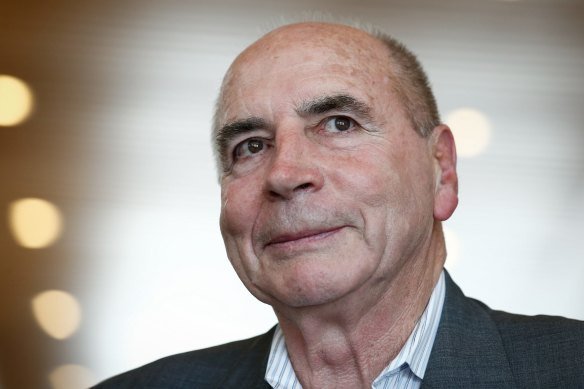
- Former Reserve Bank governor Bernie Fraser has called for the CGT discount to be scrapped, saying it’s a “toxic” policy that benefits the wealthy at the expense of first-home buyers.
- The Senate committee is investigating the impact of the CGT discount on housing affordability, with experts warning that it’s fuelling a housing crisis that’s pricing out ordinary Australians.
The Australian housing market is on the verge of collapse, with experts warning that the capital gains tax (CGT) discount is driving up prices and exacerbating inequality. The Senate committee is currently investigating the impact of the CGT discount on housing affordability, with former Reserve Bank governor Bernie Fraser leading the charge to scrap the policy.
Fraser told the committee that the CGT discount is a “toxic” policy that benefits the wealthy at the expense of first-home buyers. “If it were up to me, I would abolish the discount altogether,” he said. “I believe that would be a useful step, one of many steps that are required to move back to an affordable housing market for all Australians.”
The CGT discount, which allows Australians to pay tax on only half the profit made from selling an asset if it’s been held for 12 months, has been accused of driving up housing prices and making it impossible for first-home buyers to enter the market. Main residences, or people’s homes, are generally exempt from CGT, but the discount has been blamed for fuelling a housing boom that’s pricing out ordinary Australians.

The Albanese government has left the door open to changing the CGT discount for property investors, as it looks to develop a new housing affordability policy. However, experts warn that any changes to the policy would meet fierce resistance from vested interests, including politicians, homeowners, and investors.
Analysis: What This Means for Australia
The CGT discount has been accused of creating a “cartel” of vested interests that are determined to keep the status quo. This cartel, which includes politicians, homeowners, and investors, has been accused of prioritising their own interests over the needs of first-home buyers and the broader community. If left unchecked, this could lead to a housing crisis that prices out entire generations of Australians.
Security analysts warn that the housing crisis has serious implications for national security, as it creates a sense of disillusionment and disaffection among young people who feel priced out of the market. This could lead to social unrest and undermine trust in the government.
Law enforcement insiders warn that the housing crisis is also fuelling a black market in housing, with criminals exploiting the lack of affordable housing to make a quick profit. This could lead to a surge in housing-related crime, including fraud and squatting.
Industry observers believe that the CGT discount is also having a broader impact on the economy, by fuelling a housing boom that’s sucking up resources and driving up prices. This could lead to a bubble that ultimately bursts, causing widespread economic damage.
“The CGT discount is a ticking time bomb,” said one industry observer. “It’s creating a housing crisis that’s pricing out ordinary Australians and fuelling a black market in housing. If we don’t act soon, we could be facing a housing crash that would have serious implications for the entire economy.”
Experts warn that the only way to address the housing crisis is to tackle the root causes, including the CGT discount. This would require a fundamental shift in the way we think about housing, from a commodity to be exploited for profit to a basic human right. It would also require a commitment to increasing the supply of affordable housing, and addressing the underlying drivers of inequality.
“We need to think about housing as a fundamental human right, not just a way to make a quick profit,” said one expert. “We need to increase the supply of affordable housing, and address the underlying drivers of inequality. This would require a fundamental shift in the way we think about housing, and a commitment to putting the needs of people above the interests of vested interests.”
As the Senate committee continues its investigation into the CGT discount, one thing is clear: the housing crisis is a ticking time bomb that requires urgent attention. If we don’t act soon, we could be facing a housing crash that would have serious implications for the entire economy.