
Teenager on Trial for Manslaughter After Fatal Car Crash Outside Parliament House: Was He Behind the Wheel?
- A 14-year-old boy is on trial for manslaughter after a stolen car crashed, killing a 15-year-old passenger, and he claims he wasn’t driving.
- The defence argues that another passenger, 20-year-old Jack Summerrell-Jenkins, was behind the wheel of the speeding Camry that crashed on Adelaide Avenue.
- The victim was thrown 15 metres from the vehicle and suffered “catastrophic” head injuries, later pronounced brain dead in hospital.
- The case has sparked questions about road safety, youth crime, and the role of law enforcement in preventing such tragedies.
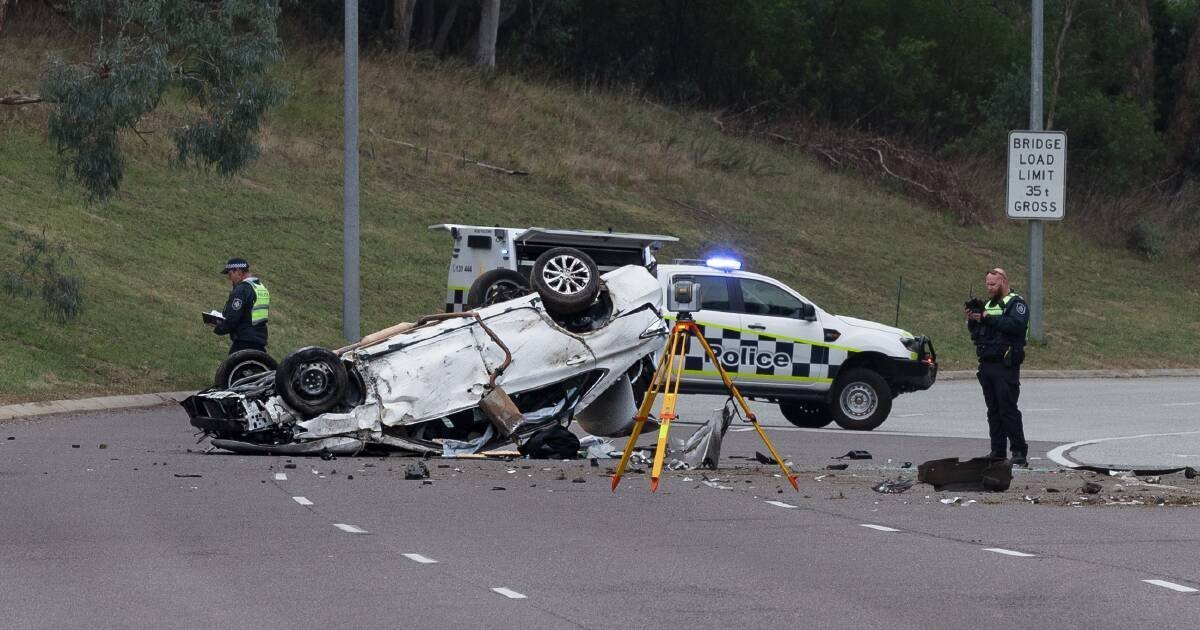
The ACT Supreme Court has heard dramatic evidence in the trial of a 14-year-old boy accused of manslaughter after a stolen car crashed, killing a 15-year-old passenger, outside Parliament House in April 2024. The teenager, who cannot be named, denies being behind the wheel of the speeding white Camry that struck a concrete retaining wall and rolled several times before landing on its roof on Adelaide Avenue.
The court heard that the victim, who was in the back seat of the car, suffered “catastrophic” head injuries in the crash and was later pronounced brain dead in hospital. The accused, who was 14 at the time, has pleaded not guilty to manslaughter and an alternative charge of culpable driving causing death.
The only thing in dispute about the early-morning crash is the identity of the driver responsible. The defence argues that another passenger, 20-year-old Jack Summerrell-Jenkins, was behind the wheel of the Camry and not the accused. Prior to the crash, the car had been spotted “driving erratically” in convoy with a stolen black Genesis, including by CCTV cameras outside the prime minister’s residence, the Lodge.
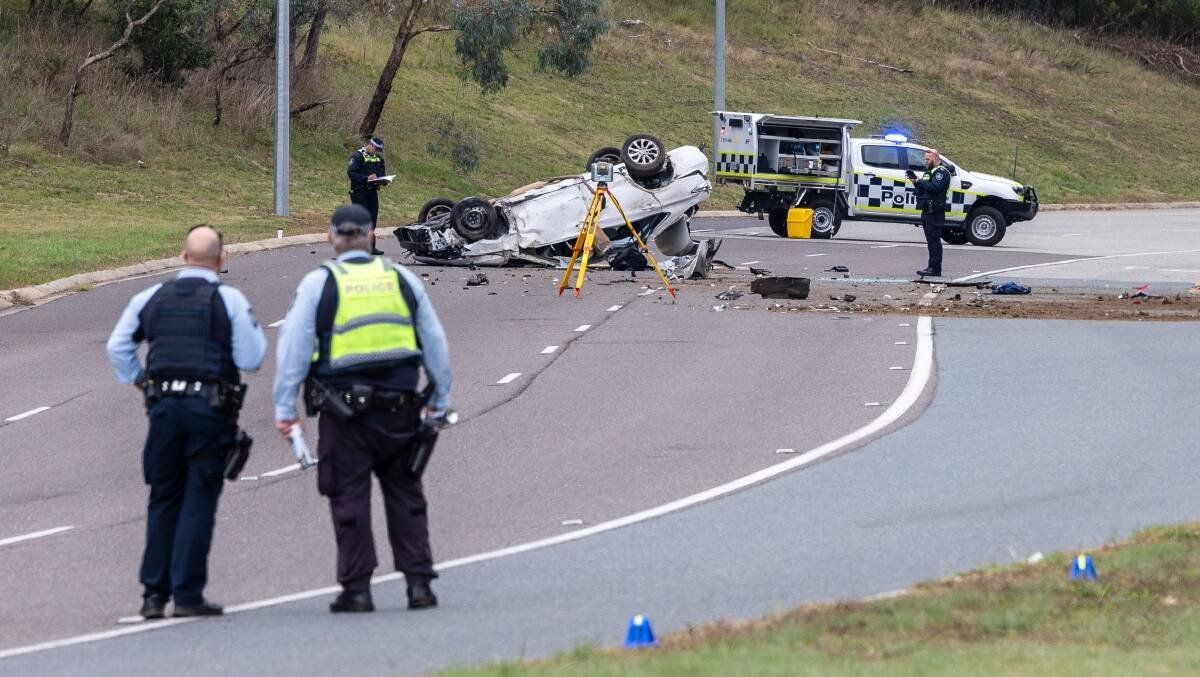
An agreed statement of facts tendered to the court shows that the accused and Jack Summerrell-Jenkins got out of the Camry and were picked up by the Genesis almost immediately after the crash. Defence barrister John Purnell argued that it was Jack Summerrell-Jenkins who was behind the wheel of the Camry and not his client.
Both parties agree that “the manner of driving constituted a breach of the duty of care owed by a driver to such a magnitude that it merits criminal punishment”. The prosecution told the court that blood samples taken from inside the car and outside were “one hundred billion” times more likely to have come from the accused than anyone else.
Analysis: What This Means for Australia
This tragic incident raises serious questions about road safety, youth crime, and the role of law enforcement in preventing such tragedies. It highlights the need for increased investment in road safety initiatives and youth programs to prevent reckless behaviour and reduce the risk of accidents.
Security analysts say that the fact that the stolen cars were able to drive erratically and evade detection for so long is a concerning sign of the gaps in our law enforcement’s ability to prevent and respond to youth crime. Law enforcement insiders warn that this incident is just the tip of the iceberg and that more needs to be done to address the root causes of youth crime and prevent such tragedies from occurring in the future.
Industry observers believe that this case will have significant implications for the way we approach road safety and youth crime in Australia. It will be closely watched by communities and lawmakers alike, and its outcome will have far-reaching consequences for the way we address these critical issues.