
Australia on Brink of Crisis as Sydney Doctor’s Daring Mission to Rescue IS-Linked Families Sparks Security Fears
- Sydney doctor Jamal Rifi’s efforts to repatriate 34 Australian citizens linked to Islamic State sparks national security concerns
- The group, including 11 women and 23 children, were thwarted in their initial attempt to leave a Syrian detention camp due to media coverage
- Rifi’s mission has raised questions about the government’s role in repatriation efforts and the potential risks of bringing back citizens with IS ties
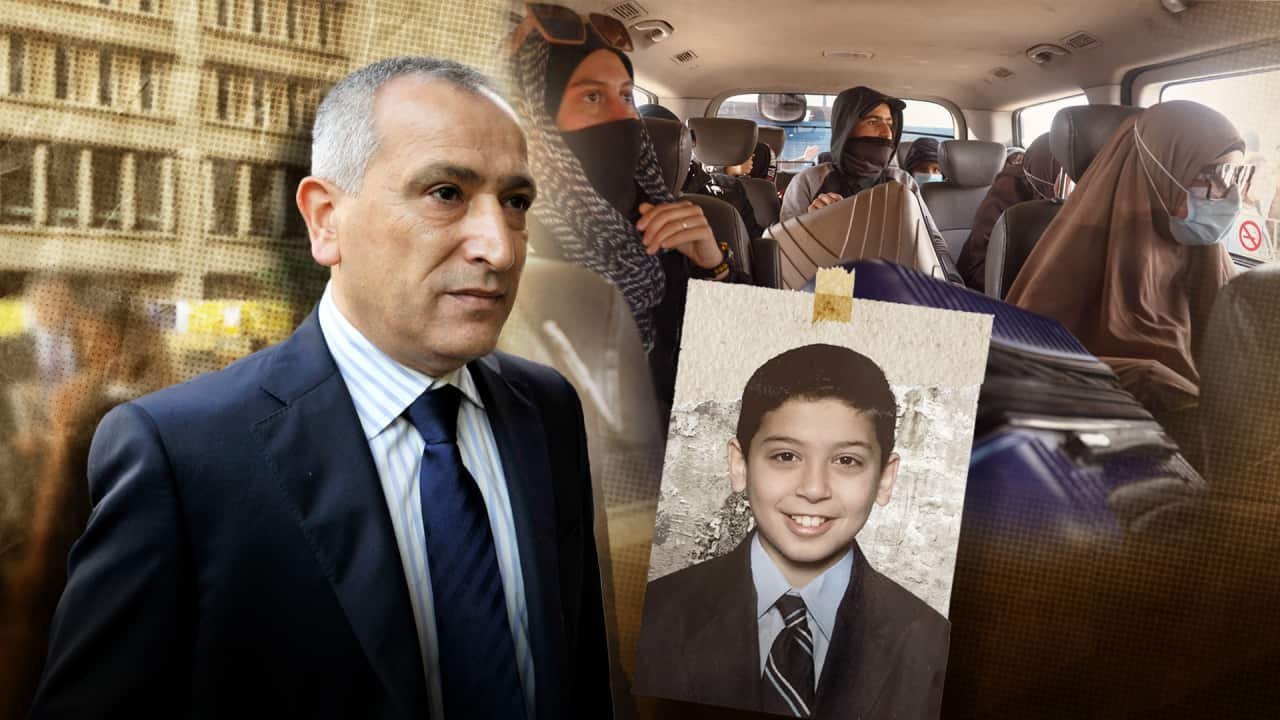
The fate of 34 Australian citizens, including 11 women and 23 children, linked to Islamic State hangs in the balance as a Sydney doctor’s daring mission to rescue them from a Syrian detention camp sparks national security fears. Dr. Jamal Rifi, a prominent community leader, has been working to coordinate the repatriation effort, but his actions have raised more questions than answers about the government’s role in the process and the potential risks of bringing back citizens with IS ties.
The group’s initial attempt to leave the Al-Roj camp last week was thwarted when Syrian authorities stopped them, reportedly due to media coverage of their departure. Dr. Rifi, who has been working with a firm of legal practitioners to obtain passports for the families, described himself as the “passport delivery boy” and said he had taken the passports to Syria’s capital. However, their efforts were derailed when the media publicized their departure, forcing them to turn back for safety reasons.
The incident has raised tensions in the camp, with Dr. Rifi reporting that security forces have been raiding the camp at night, searching tents, and removing women and children into the cold weather. The camp is reportedly set to close in the next few weeks, leaving the women and children vulnerable to exploitation by local groups who may see them as a source of financial gain.
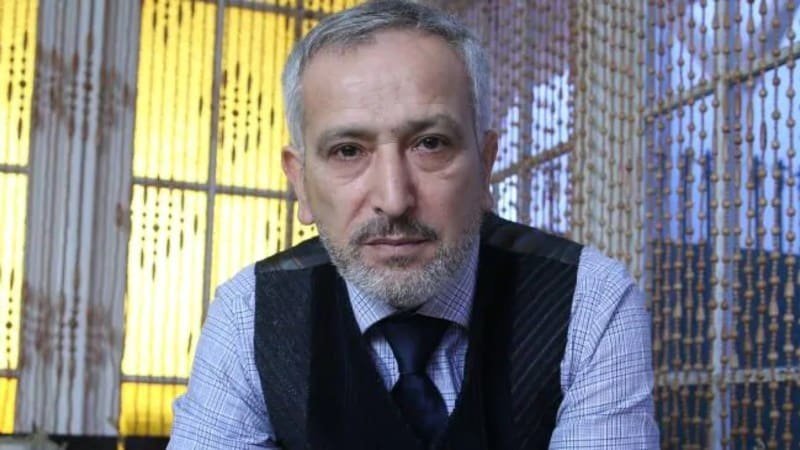
Dr. Rifi believes that repatriating the women and children is the best option for Australia’s national security, arguing that any security risks can be better managed on home soil. “Repatriation has a security implication,” he said. “We based our opinion that we need to undertake this repatriation because of the dangers of kids and the suffering that have been there for six years… I am of the opinion that Australia will be safer if you can bring those children and women, the sooner the better.”
Analysis: What This Means for Australia
The situation raises critical questions about Australia’s national security implications, particularly in the context of counter-terrorism efforts. The repatriation of citizens with links to IS poses significant risks, including the potential for radicalization and the spread of extremist ideologies. On the other hand, leaving the women and children in the camp exposes them to further exploitation and abuse. The government’s handling of the situation will be closely watched, with opposition parties already raising concerns about the potential risks of repatriation.
Security analysts say that the government’s approach to repatriation must balance the need to protect national security with the humanitarian imperative to protect vulnerable citizens. “The government needs to take a nuanced approach that addresses the security risks while also acknowledging the humanitarian concerns,” said one expert. “This is a complex issue that requires careful consideration of all the factors involved.”
The situation also highlights the need for greater investment in counter-terrorism efforts, including deradicalization programs and community engagement initiatives. As one industry observer noted, “The repatriation of citizens with IS ties is just one aspect of a broader challenge. We need to address the root causes of radicalization and work to prevent the spread of extremist ideologies in our communities.”