

Tick-Induced Red Meat Allergy Claims First Australian Victim: The Deadly Threat Lurking in Our Bushlands
- A 16-year-old boy’s tragic death in 2022 has highlighted the dangers of alpha-gal syndrome, a potentially life-threatening allergy to mammalian meats
- The condition, caused by tick bites, can lead to anaphylaxis and even death, with experts warning of a 50% chance of developing the allergy after a single bite
- Australia’s east coast is a hotspot for the Australian paralysis tick, which is responsible for the majority of cases, and experts are urging people to take tick bite prevention seriously
- The allergy is often under-diagnosed, but cases have increased by 40% every year over the past five years, with most cases reported along the east coast
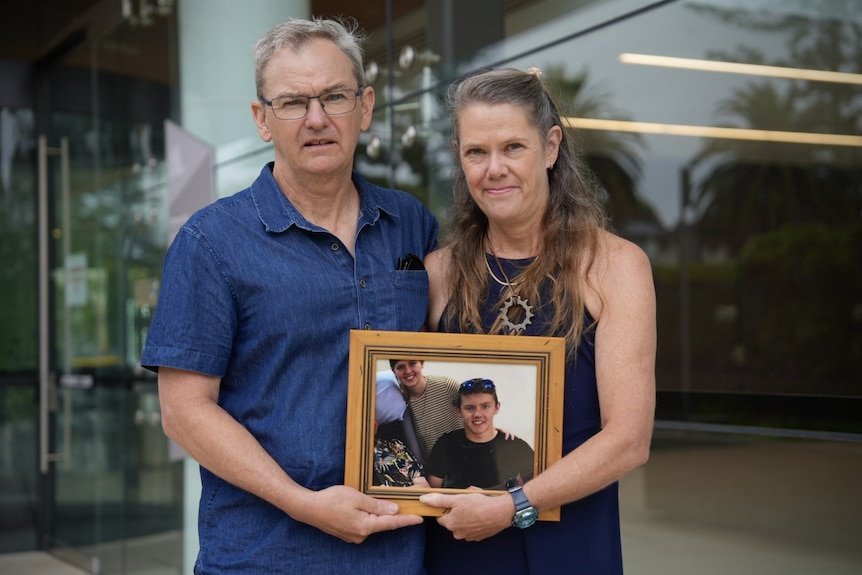
In a shocking turn of events, a 16-year-old boy’s death in 2022 has brought attention to a little-known but deadly threat lurking in Australia’s bushlands: alpha-gal syndrome, a tick-induced red meat allergy. Jeremy Webb’s tragic fate is a stark reminder of the importance of tick bite prevention and awareness of this potentially life-threatening condition.
The core news is that alpha-gal syndrome is a serious allergy to mammalian meats such as beef, pork, and lamb, which can cause anaphylaxis and even death. According to Allergy & Anaphylaxis Australia, the condition is triggered by the sugar molecule alpha-galactose, found in the saliva and gut of ticks. The Australian paralysis tick, commonly found along Australia’s east coast, is the primary culprit behind the allergy.
The deep dive into the context of this condition reveals that it was first discovered by Australian doctor Sheryl van Nunen in 2007. Since then, research has shown that people have a 50% chance of developing the allergy after being bitten by the Australian paralysis tick. What’s more alarming is that not all people who are bitten by ticks will go on to develop the allergy, making it a ticking time bomb for those who venture into tick-prone areas.
Analysis: What This Means for Australia
The implications of alpha-gal syndrome are far-reaching and have significant consequences for national security, law enforcement, and community safety. With the east coast being a hotspot for the Australian paralysis tick, it’s essential to take tick bite prevention seriously. Security analysts say that the lack of awareness and under-diagnosis of this condition can have devastating consequences, particularly in rural areas where access to medical facilities may be limited. Law enforcement insiders warn that the increase in cases demands a concerted effort to educate the public on tick bite prevention and the risks associated with alpha-gal syndrome.
Industry observers believe that the economic and social consequences of this condition cannot be ignored. The impact on the meat industry, for instance, could be significant, with some experts predicting a shift towards alternative protein sources. Furthermore, the condition’s potential to disrupt outdoor activities, such as camping and hiking, could have far-reaching economic implications for regional communities.
Experts say that the best way to prevent mammalian meat allergy is to use proper tick bite prevention methods, such as dressing appropriately, using tropical-strength insect repellent, and monitoring pets for tick bites. Pet owners should also take measures to avoid ticks jumping from their pets to humans. While deaths from mammalian meat allergy are rare, the risks are real, and it’s crucial to take proactive steps to prevent tick bites.
In the wake of Jeremy’s tragic death, it’s essential to raise awareness about alpha-gal syndrome and the dangers of tick bites. As the number of cases continues to rise, it’s crucial for Australians to take tick bite prevention seriously and to educate themselves on the risks associated with this deadly condition.