
EXPOSED: Islamic Schools in Victoria Accused of ‘Invasive’ Menstrual Cycle Tracking, Leaving Girls Feeling ‘Uncomfortable’ and ‘Frustrated’
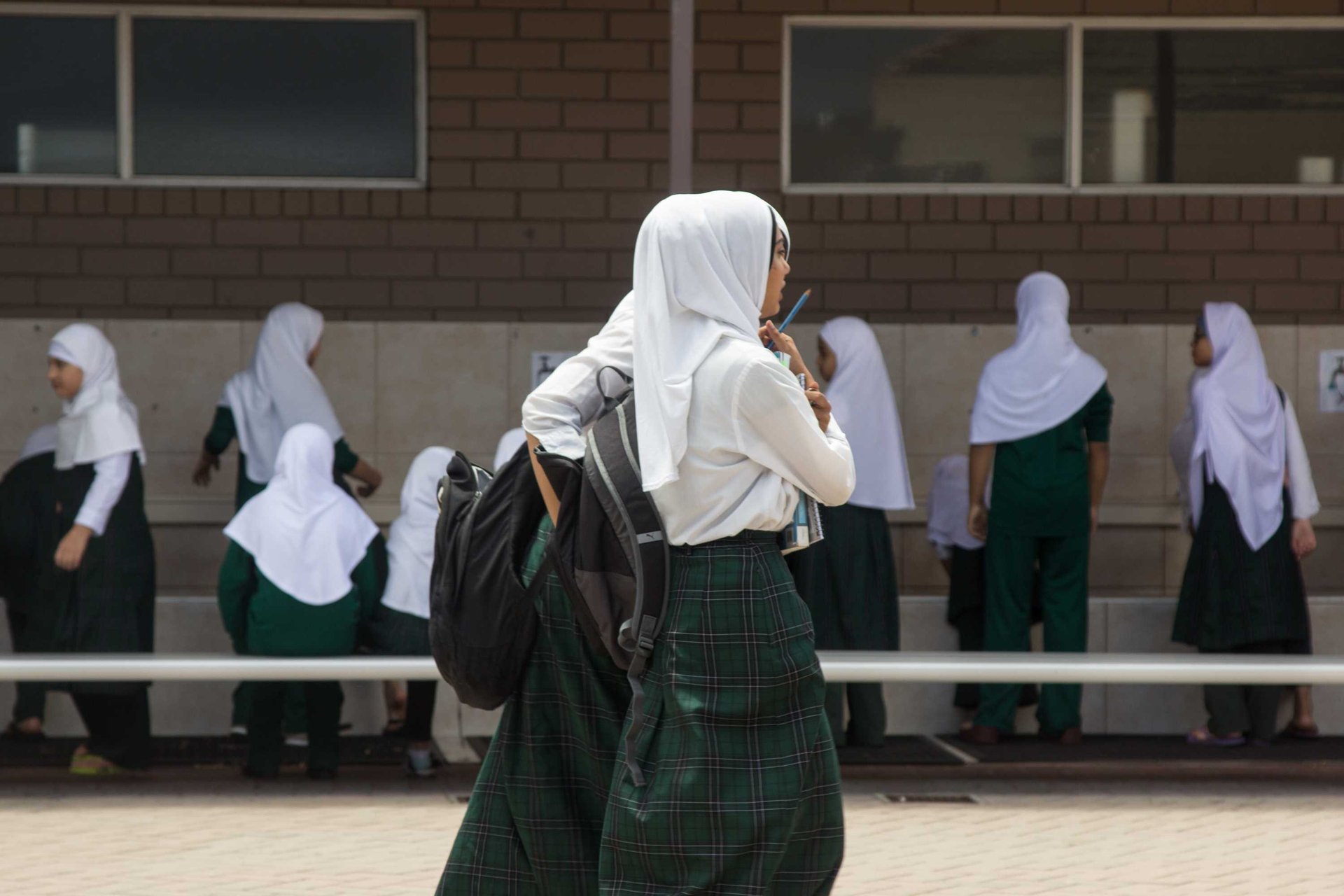
- Female students at some Islamic schools in Victoria are being forced to reveal when they have their periods, with teachers allegedly monitoring or “tracking” their menstrual cycles.
- Students have described the practice as “invasive” and “uncomfortable”, with some claiming they are sent to “period” or “rag” rooms instead of attending prayers.
- Teachers allegedly log how many days students are on their periods, with some students accusing them of calling their parents if they attend the “Girls’ Room” for more than nine days or multiple times in a month.
- Human rights advocates have slammed the practice, calling it a “serious breach of privacy and human rights” and a “gross invasion of privacy”.
The controversy has sparked outrage after several students came forward to share their experiences of being forced to disclose their menstrual cycles to teachers at Islamic schools in Victoria. The practice, which has been allegedly occurring for at least 10 years, has been described as “invasive” and “uncomfortable” by the students affected.
One student at Ilim College’s senior girls’ campus in Melbourne’s north, who wished to remain anonymous, told The Herald Sun that she had been coerced into disclosing her cycle with teachers since primary school. “It’s really invasive and uncomfortable,” she said. “While prayers are on, if you are on your menstrual cycle you are forced to go to the Girls’ Room while other students are praying in the mosque. You’re not allowed to eat or drink [in there] and you have to watch religious videos.”
The student alleged that if she attended the “Girls’ Room” for more than nine days or multiple times in a month, she would be accused of lying and her parents would be called. She claimed that the practice had been occurring for at least 10 years.
Aynur Simsirel, the chief executive of Ilim College, confirmed that girls were taken to a “supervised space” called the Girls’ Room when excused from prayers for menstruation. However, she insisted that attendance was recorded in the same way as any other supervised school activity, consistent with standard duty-of-care requirements.
But human rights advocates have slammed the practice, calling it a “serious breach of privacy and human rights” and a “gross invasion of privacy”. Nesreen Bottriell, CEO of The Australian Muslim Women’s Centre for Human Rights, said that tracking menstrual cycles is not an Islamic practice. “We are not aware of these practices occurring and we absolutely do not condone the tracking or monitoring of young women from any religious institution or school,” she said.
Dr Sarah White, CEO of Jean Hailes for Women’s Health, agreed that the practice was deeply concerning. “It’s a gross invasion of privacy for a school to be tracking girls’ periods,” she said. “No school should be monitoring menstruation for any reason.”
The controversy has sparked outrage online, with dozens of Australian students reporting similar practices on social media. One Victorian Year 8 student alleged that a teacher would tick off her name on an Excel sheet that every teacher had access to, and that if her period exceeded nine days, she would be dragged to the mosque. Another student described it as “frustrating” and alleged that it occurred from Year 3 or “when you get your first period”.
Similar monitoring has reportedly occurred in other countries, including the UK and Malaysia, prompting education officials to intervene in some cases. In 2019, education officials intervened after reports of students at Lady Aisha Academy in Barking, East London, being asked about their menstrual cycles. In 2021, a nationwide scandal erupted in Malaysia following reports that students had to queue up for “period spot checks” to ensure they weren’t lying about having their period to escape daily prayer.
Analysis: What This Means for Australia
This controversy raises serious concerns about the privacy and human rights of female students in Islamic schools in Victoria. The practice of tracking menstrual cycles is not only an invasion of privacy but also a form of gender-based discrimination. It is unacceptable that schools are monitoring and controlling the bodies of female students in this way. The Australian government must take immediate action to ensure that all schools, regardless of their religious affiliation, respect the privacy and human rights of their students.
Security analysts say that this practice also raises concerns about the potential for radicalization and extremism in Islamic schools. The monitoring of menstrual cycles could be used as a tool for social control, reinforcing harmful gender stereotypes and perpetuating discrimination against women. It is essential that the Australian government takes a proactive approach to addressing these concerns and ensuring that all schools promote a culture of respect, equality, and human rights.
Industry observers believe that this controversy highlights the need for greater oversight and regulation of Islamic schools in Australia. The government must ensure that all schools, regardless of their religious affiliation, are meeting the highest standards of education and respecting the human rights of their students. This includes ensuring that students are not subject to discrimination, harassment, or invasion of privacy.