
EXCLUSIVE: ‘Toxic’ Tap Water Scandal Rocks Remote Australian Community, Leaving Residents in Fear for Their Health
- Residents of Sunset Strip, a small lakeside community in far-west New South Wales, have been left reeling after discovering their tap water is “only good to flush the toilet” with.
- The community has been using the water for showering, bathing, and washing for 66 years, despite it being deemed unfit for human use.
- Essential Water, the utility company responsible for the supply, has apologized for “confusing” and “inconsistent” messaging, but residents are demanding answers and action.
The small community of Sunset Strip, nestled on the banks of Lake Menindee, has been thrust into the spotlight after a shocking revelation about their tap water. For 66 years, residents have been using the water for showering, bathing, and washing, but a recent letter from Essential Water has left them reeling. The water, it turns out, is “only good to flush the toilet” with – and is not safe for human use.
For Darren Clifton, a resident of five years, the news came as a complete shock. “I clean my teeth in it every day, I shower in it every day,” he said. “The letter posted on Facebook … virtually deemed the water as unfit for any human use whatsoever.” Despite receiving a monthly water bill from Essential Water, Clifton said there was never any communication from the company to inform him his water was “unsuitable for drinking or food consumption” and “not safe for showering, bathing and washing activities.”
Clifton is not alone in his outrage. Joseph Cassar, who bought his Sunset Strip home last year, said he was led to believe the water connected to the house was drinkable. “We bought the place based on that information,” he said. It was only after they arrived in town that they started to hear about the non-potable nature of the tap water, and that they would have to buy drinking water. The real “shock” came this month when the couple saw the letter on Facebook – shared by a new arrival – warning them the water was unfit for bathing or washing of any kind.
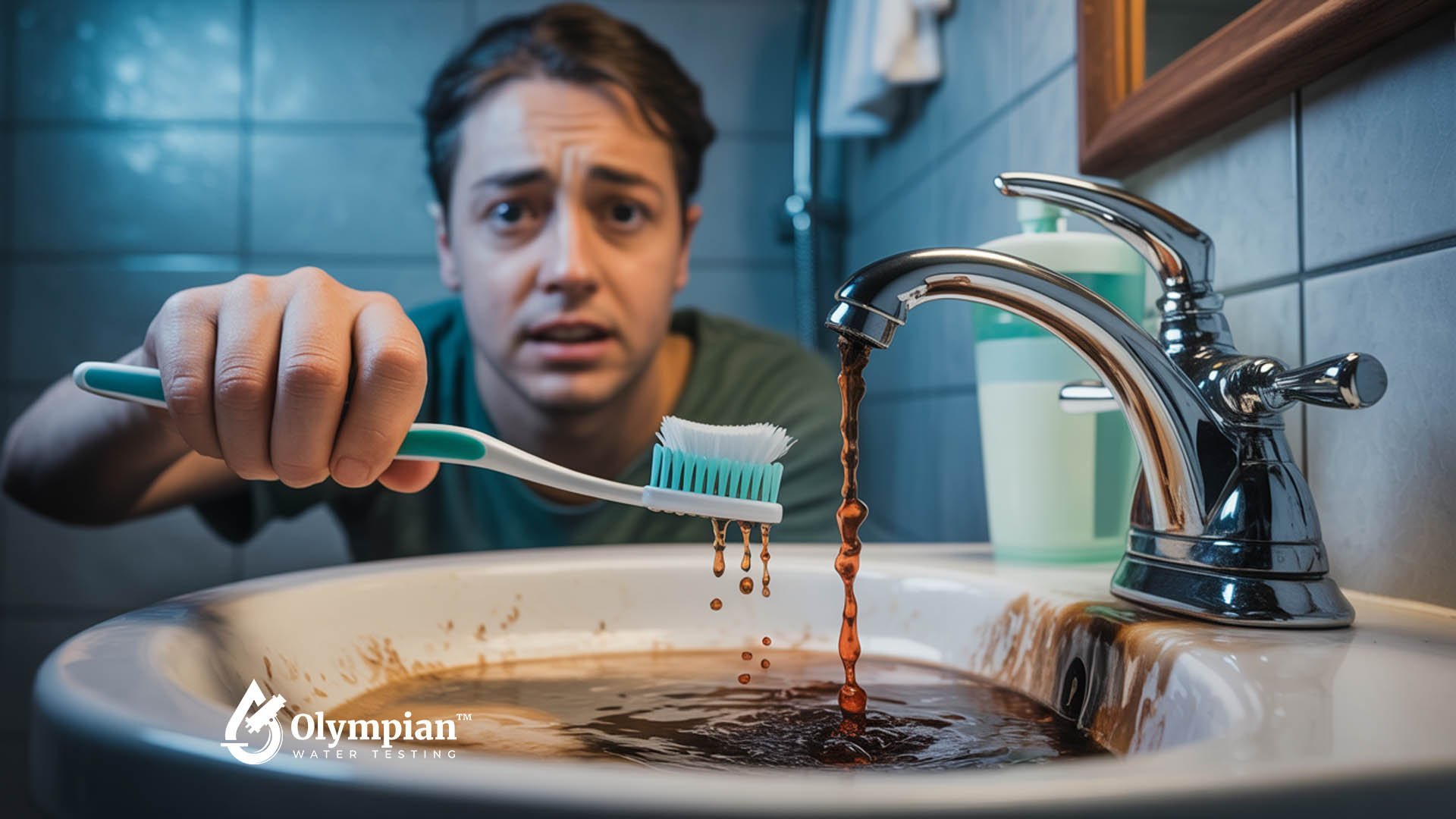
Kat Holmes, who has owned her property at Sunset Strip for 15 years, said she was “gobsmacked” by the news. “There are over 130 houses up here. All these people need to shower, they need to wash their clothes, their dishes,” she said. “Now they’ve said no washing of any kind — it worries me greatly.”
The water treatment plant at Sunset Strip was commissioned in 2004, but the water is not treated to the standard of Australian drinking water guidelines and therefore cannot be classified as potable. Essential Water head Ross Berry acknowledged there had been “confusing” and “inconsistent” messaging in recent times. “We haven’t been consistent and we’d like to apologize to the people of Sunset Strip,” he said.
Analysis: What This Means for Australia
The situation in Sunset Strip raises serious questions about the state of our rural water infrastructure and the responsibility of utility companies to communicate effectively with their customers. The fact that residents were left in the dark about the quality of their water for so long is a damning indictment of the system. It’s not just a matter of personal health and safety – it’s a matter of national security. How can we expect to build thriving rural communities if we can’t even provide them with safe drinking water?
Security analysts say that the lack of transparency and accountability in the water industry is a ticking time bomb waiting to happen. “This is a classic example of a systemic failure,” said one expert. “It’s not just about the water quality – it’s about the lack of trust between the community and the authorities. When people feel like they’re not being told the truth, they start to lose faith in the system.”
Law enforcement insiders warn that the situation in Sunset Strip is a perfect storm of bureaucratic bungling and corporate neglect. “This is a textbook example of a preventable crisis,” said one source. “If Essential Water had been upfront with the community from the start, this whole situation could have been avoided.”
As the community of Sunset Strip struggles to come to terms with the reality of their tap water, one thing is clear: this is a wake-up call for Australia. We need to take a hard look at our rural water infrastructure and ask ourselves some tough questions. How can we ensure that every Australian has access to safe, clean drinking water? How can we hold utility companies accountable for their actions? And how can we rebuild trust between the community and the authorities?