
WA’s AI Traffic Cameras Spark Outrage as Frustrated Drivers Cite Unfair Fines Over Passenger Behaviour
- Thousands of WA drivers fined for not wearing seatbelts or using mobile phones since 2025
- Frustrated drivers claim they were fined for passengers’ behaviour beyond their control
- WA Road Safety Commissioner Adrian Warner says review of penalties underway to increase flexibility
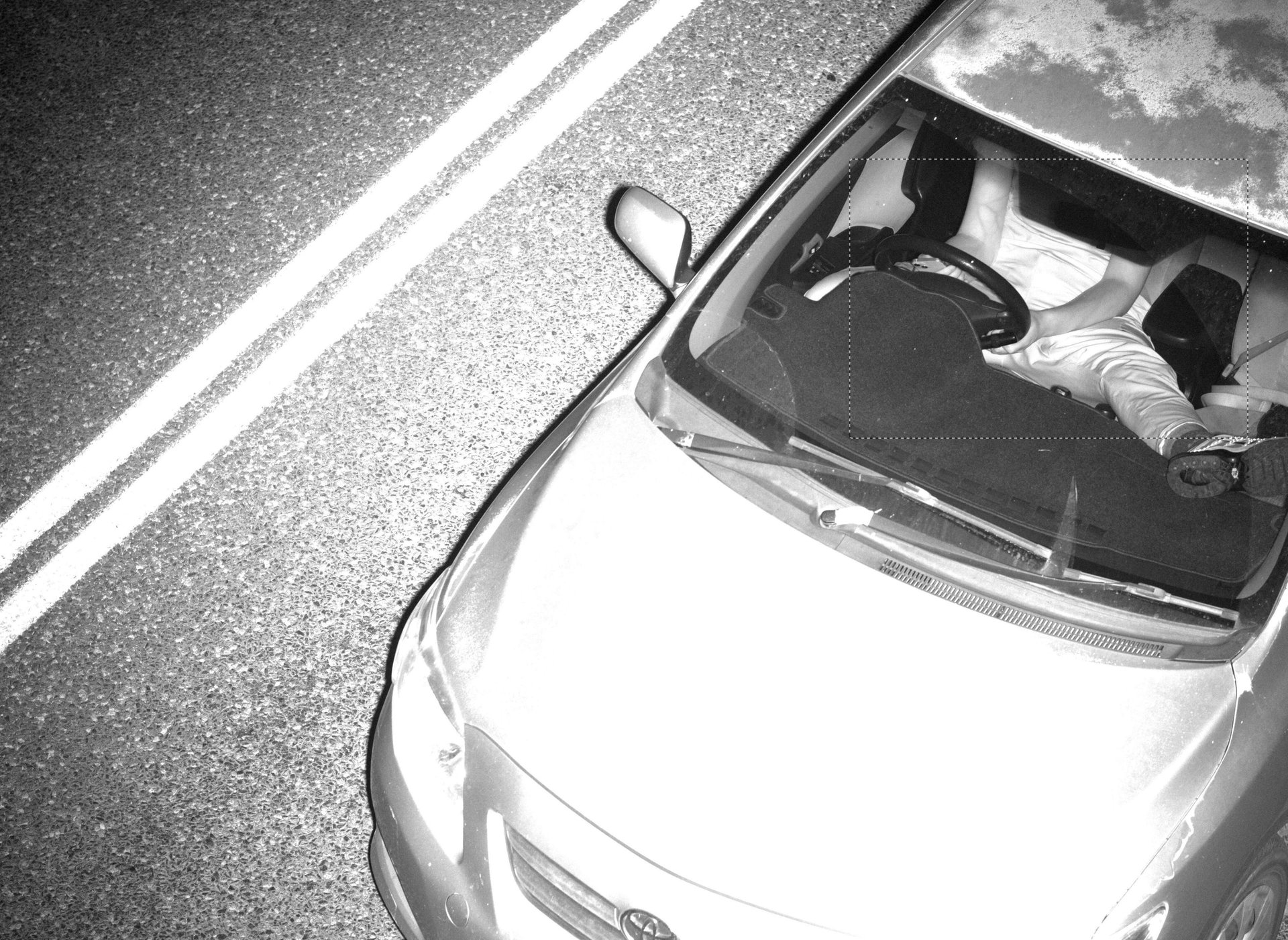
Western Australia’s AI-powered traffic cameras, introduced in 2025, have caught thousands of drivers breaking the law, but some are crying foul over fines they claim are unfair. The cameras, designed to detect seatbelt and mobile phone offences, have sparked outrage among drivers who say they were penalised for their passengers’ behaviour, beyond their control.
The story of Perth mother Lisa Taylor is a case in point. Her 11-year-old daughter slipped one arm out of her seatbelt during a long road trip, and the incident was captured by one of the AI cameras. Taylor received a $500 fine and eight demerit points, which she plans to challenge. “I secured my daughter’s seatbelt correctly before we left home, as I always do. Safety has always been a big priority for me and my family,” she said.
Taylor’s concerns are echoed by other drivers who claim they were fined for passengers’ mistakes. Olarni Brown, a P-plater, lost her licence for three months after a passenger failed to wear a seatbelt correctly. “I was just focusing on the road, not knowing that my passenger had the seatbelt under their arm, for God knows how long, because I was too busy concentrating,” she said.
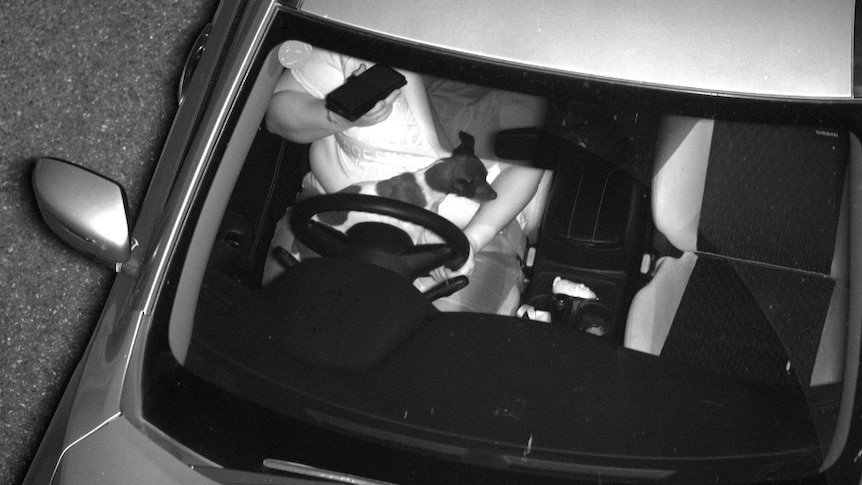
Tom, another driver, received seven notices for wearing his seatbelt under his arm, racking up 36 demerit points and $500 fines for each offence. He also received a fine after his partner did the same thing as a passenger in his car. “I don’t think, as a matter of law, that that is a reasonable obligation to impose on a driver,” he said.
WA Road Safety Commissioner Adrian Warner insists that the cameras are about changing behaviour, not raising revenue. “What we are finding now is, because the cameras are so effective, we are catching a lot more people,” he said. Warner acknowledged that a review of penalties is underway to increase flexibility for drivers who feel they have been unfairly fined.
Analysis: What This Means for Australia
The use of AI-powered traffic cameras raises important questions about accountability and fairness in road safety enforcement. While the technology has the potential to improve safety on our roads, it also highlights the need for a more nuanced approach to penalising drivers. As WA’s Road Safety Commissioner, Adrian Warner, said, “We want to increase the flexibility for people issuing infringements, so we are not being the blunt stick to everybody.”
Security analysts say that the use of AI cameras could have a significant impact on national security, particularly in terms of data collection and storage. “The data collected by these cameras could be used to identify patterns of behaviour and track individuals, raising concerns about privacy and surveillance,” said one expert.
Law enforcement insiders warn that the cameras could also create a new class of criminals, with drivers feeling forced to take risks to avoid penalties. “If drivers feel that they are being unfairly targeted, they may be more likely to take risks on the road, which could lead to more accidents and fatalities,” said another expert.
Industry observers believe that the use of AI cameras could have significant economic and social consequences, particularly for low-income families who may struggle to pay fines. “The fines and penalties associated with these cameras could have a disproportionate impact on low-income families, who may already be struggling to make ends meet,” said an industry insider.
In conclusion, while AI-powered traffic cameras may be effective in detecting seatbelt and mobile phone offences, they also raise important questions about fairness, accountability, and national security. As WA’s Road Safety Commissioner, Adrian Warner, said, “We want to increase the flexibility for people issuing infringements, so we are not being the blunt stick to everybody.”