

‘Globalise the Intifada’ Chant Sparks Fury: Why Australia’s Top Cop Won’t Charge Former Australian of the Year
- Grace Tame’s controversial chant at a pro-Palestine rally sparks outrage, but NSW Police Commissioner says she’s unlikely to face charges
- The phrase “globalise the Intifada” is linked to uprisings in the Occupied Palestinian Territories and is seen by some as a call to violence
- NSW Police Commissioner Mal Lanyon admits he hasn’t watched Tame’s speech, but says the term doesn’t meet the criteria of inciting racial hatred under current laws
As the dust settles on the controversy surrounding Grace Tame’s “globalise the Intifada” chant at a pro-Palestine rally, one question remains: will she face charges? According to NSW Police Commissioner Mal Lanyon, the answer is unlikely. Despite the outrage sparked by Tame’s words, Lanyon says the term doesn’t meet the criteria of inciting racial hatred under current laws.
The former Australian of the Year’s chant, captured on film at a protest opposing Israeli President Isaac Herzog’s visit to Australia, has been met with widespread criticism. The phrase “globalise the Intifada” is linked to two popular uprisings in the Occupied Palestinian Territories, and is seen by many in the Jewish community as a call to violence. In recent weeks, the term has even been criminalised in Queensland, with a NSW parliament probe recommending the Labor government do the same.
But Lanyon says the term has been “reviewed on a number of occasions” and not found to meet the criteria of inciting racial hatred. “It’s not a prohibited term at the moment,” he told a NSW budget estimates hearing on Friday afternoon. “It may be offensive to some members of the community, and I’ll certainly accept that.”
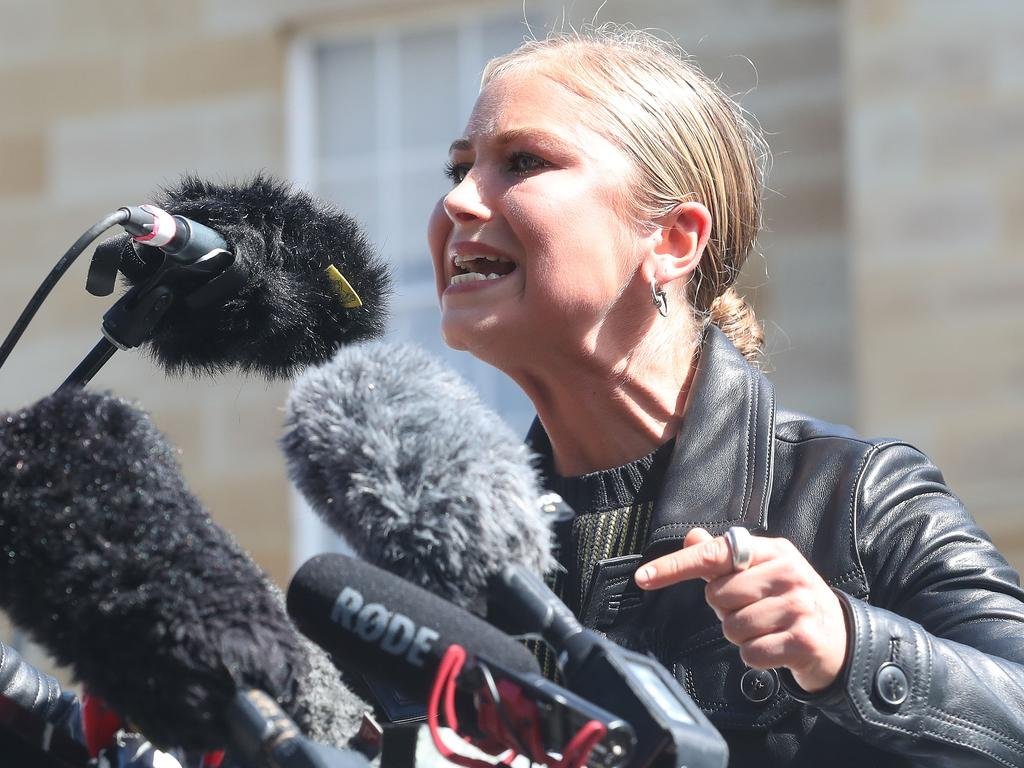
The controversy surrounding Tame’s chant has sparked a heated debate about free speech and the limits of political protest. While some have defended Tame’s right to express her opinions, others have condemned her words as inflammatory and dangerous. The incident has also put pressure on Prime Minister Anthony Albanese, who has faced calls from the Coalition to condemn Tame’s actions.
Analysis: What This Means for Australia
The Tame controversy raises important questions about the limits of free speech in Australia. While proponents of free speech argue that individuals should be able to express their opinions without fear of persecution, others argue that certain words and phrases can be harmful and even incite violence. As the debate rages on, one thing is clear: the stakes are high. In a country where racial and religious tensions are already running high, the consequences of allowing inflammatory rhetoric to go unchecked could be devastating.
Security analysts warn that the normalisation of hate speech can have serious consequences for national security. “When we allow hate speech to go unchecked, we create an environment in which extremist ideologies can flourish,” says one expert. “This can have serious consequences for community cohesion and national security.”
Law enforcement insiders also warn that the failure to take action against hate speech can embolden extremist groups. “When we fail to take action against hate speech, we send a message that it’s acceptable,” says one insider. “This can have serious consequences for community safety.”
As the Tame controversy continues to dominate headlines, one thing is clear: the debate about free speech and hate speech is far from over. As Australia grapples with the consequences of allowing inflammatory rhetoric to go unchecked, one thing is certain: the stakes are higher than ever.