
Flood-Hit Queensland Braces for More Chaos as Monsoon Trough Brings New Wave of Rain and Flooding
- Parts of Western Queensland to receive more than 100mm of rain over the coming days, exacerbating existing flood crisis
- Flood-hit communities in outback Queensland to experience some relief, but flooding expected to continue for weeks
- Monsoon trough to develop over Cape York Peninsula, triggering risk of riverine and flash flooding in the Far North coast
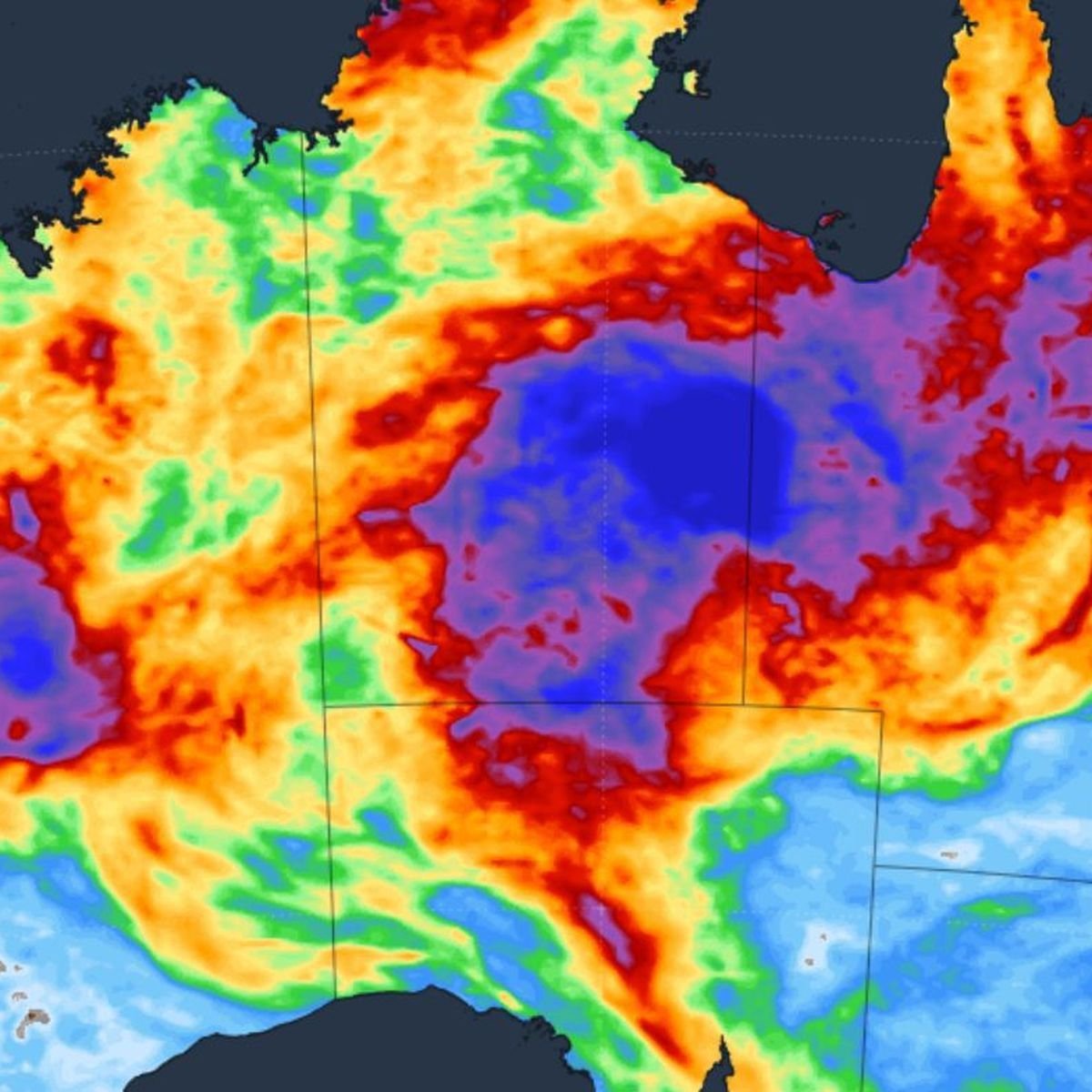
Flood-ravaged communities in Western Queensland are bracing for more chaos as a monsoon trough is expected to bring a new wave of rain and flooding to the region. The Bureau of Meteorology (BOM) has forecast more than 100mm of rain over the coming days, which will only add to the existing flood crisis that has left hundreds of people isolated and thousands of properties inundated.
While the heavy rain is expected to ease in some areas, the BOM has warned that flooding will continue for weeks as water moves downstream through swollen rivers. The Georgina River remains under a major flood warning, while moderate flooding is occurring in Birdsville along the Diamantina River.
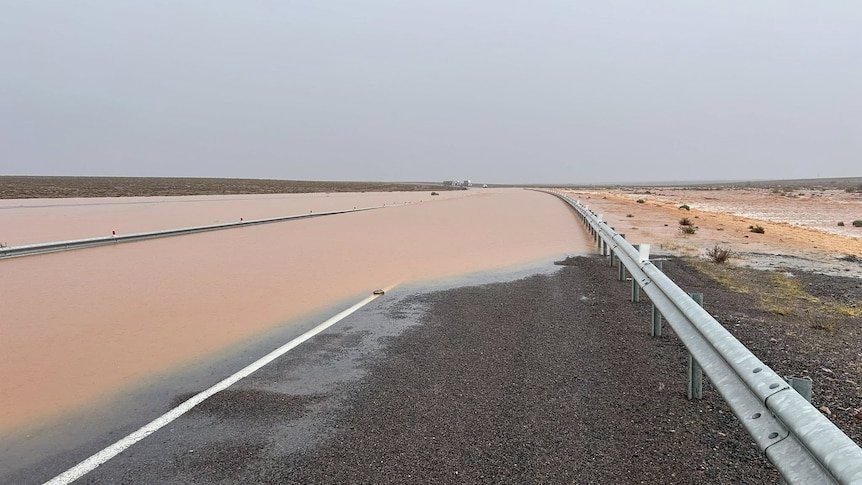
The situation is particularly dire in the outback communities of Boulia, Bedourie, and Birdsville, which have been isolated due to the heavy rain. Supplies are being flown in to these communities, but the ongoing flooding has made it difficult to access these areas.
Meanwhile, the BOM is monitoring two tropical lows developing in the Gulf of Carpentaria and the Coral Sea, which could potentially intensify into tropical cyclones. While the chance of this happening is low, it’s a scenario that authorities are taking very seriously.
Analysis: What This Means for Australia
The ongoing flood crisis in Queensland has significant implications for national security, law enforcement, and the economy. The isolation of communities and disruption to essential services will have a ripple effect on the state’s economy, and the prolonged flooding will put a strain on emergency resources.
Security analysts say that the flooding has also raised concerns about the vulnerability of critical infrastructure, including roads, bridges, and communication networks. The disruption to these services could have far-reaching consequences for the state’s ability to respond to emergencies and maintain public safety.
Law enforcement insiders warn that the flooding has also created an environment conducive to criminal activity, including looting and fraud. The isolation of communities has made it difficult for authorities to respond quickly to these incidents, which could lead to a surge in crime.
Industry observers believe that the flooding will have a significant impact on the state’s agriculture sector, with many farms and livestock affected by the heavy rain. The prolonged flooding will also affect the state’s tourism industry, which is already reeling from the impact of the COVID-19 pandemic.
As the situation continues to unfold, one thing is clear: the people of Queensland are facing a long and difficult road to recovery. The flooding has brought the state to its knees, and it will take a concerted effort from authorities, emergency services, and the community to rebuild and recover.