
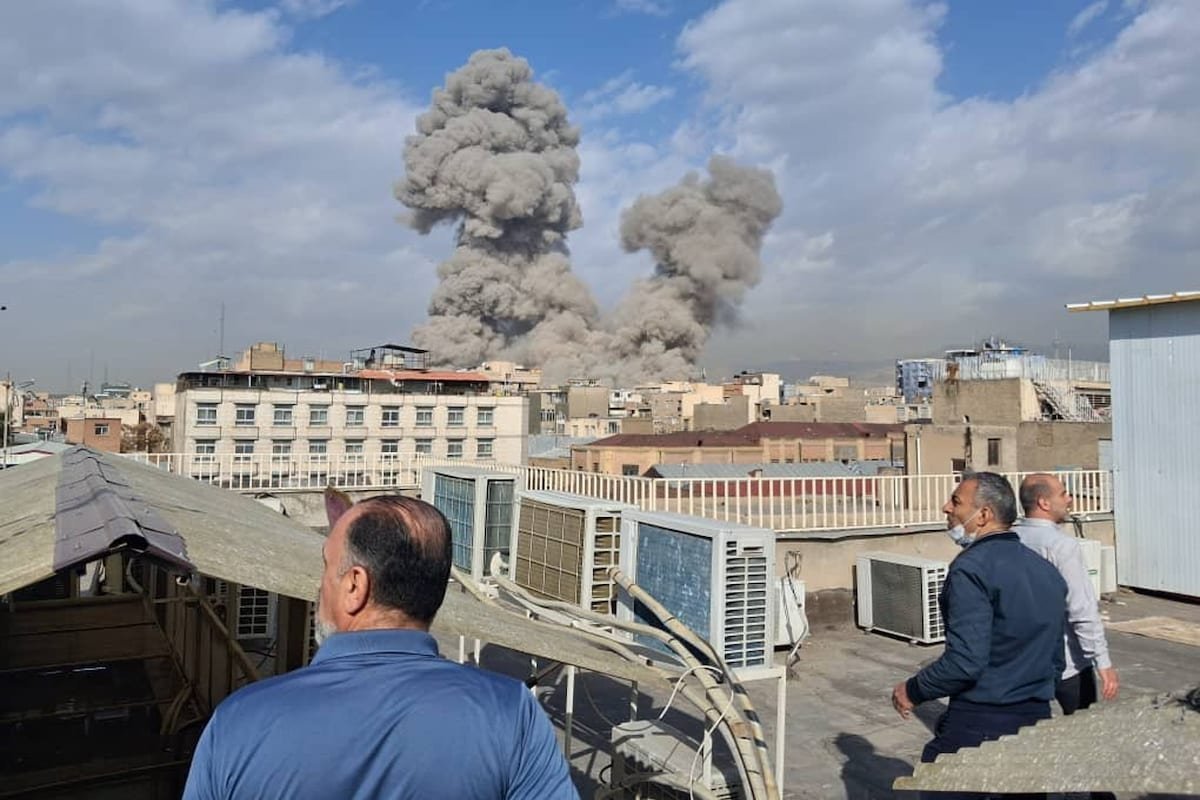
Regime in Ruins: US and Israel Unleash Devastating Strikes on Iran, Toppling Supreme Leader and Senior Military Chiefs
- Air strikes on Iran kill top military, intelligence, and security leaders, including Supreme Leader Ayatollah Ali Khamenei
- US President Donald Trump and Iranian state TV confirm Khamenei’s death, with Israel reporting multiple high-ranking officials killed
- Operation Epic Fury and Operation Roaring Lion target Iranian military, intelligence, and security infrastructure, paving the way for potential regime change
- Iranian Red Crescent reports 201 dead and 747 injured in the strikes, with many more feared dead
The United States and Israel have launched a series of devastating air strikes on Iran, killing the country’s Supreme Leader Ayatollah Ali Khamenei and multiple high-ranking military, intelligence, and security officials. The strikes, dubbed Operation Epic Fury by the US and Operation Roaring Lion by Israel, have dealt a severe blow to Iran’s military and political leadership, potentially paving the way for regime change.
The news of Khamenei’s death was confirmed by US President Donald Trump and Iranian state TV, with Israel reporting that many of the country’s top military, intelligence, and security leaders have been killed. The strikes have been described as the single greatest chance for the Iranian people to take back their country, with the US president urging Iranians to rise up against the regime.
Khamenei, who was born in 1939, was a stalwart of the regime and had maintained an iron grip on Iran’s politics and armed forces since becoming Supreme Leader in 1989. He was known for his hard-line stance on foreign affairs, including Iran’s long-standing confrontation with the US. His death marks a significant shift in the balance of power in the region, with far-reaching implications for global politics.
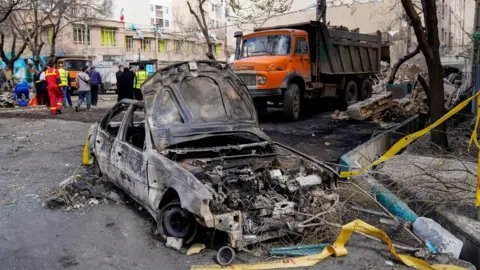
Other senior officials killed in the strikes include Ali Shamkhani, the secretary of the Iranian Security Council Forces; Mohammad Shirazi, the head of Supreme Leader Ayatollah Ali Khamenei’s military bureau; Mohammad Pakpour, the commander of the Iranian Revolutionary Guard Corps; and Hossein Jabal Amelian, the head of the Organization of Defensive Innovation and Research. These individuals were key figures in Iran’s military and political leadership, and their deaths will likely have a significant impact on the country’s ability to respond to the crisis.
Analysis: What This Means for Australia
The implications of the US and Israel’s strikes on Iran are far-reaching and complex, with significant implications for Australia’s national security and economic interests. The death of Khamenei and other senior officials marks a significant shift in the balance of power in the region, and could lead to a period of instability and uncertainty. This could have implications for Australia’s trade relationships with Iran and other countries in the region, as well as our national security and defence strategies.
Security analysts say that the strikes could lead to a period of increased tensions between Iran and the US and its allies, including Australia. This could lead to a heightened risk of terrorist attacks or other forms of retaliation, and could also impact on Australia’s ability to maintain stability and security in the region.
Law enforcement insiders warn that the strikes could also lead to an increase in cyber-attacks and other forms of asymmetrical warfare, as Iran seeks to respond to the attacks. This could have significant implications for Australia’s critical infrastructure and national security.
Industry observers believe that the strikes could also have significant implications for the global economy, particularly in the energy sector. Iran is a major oil producer, and any disruption to its oil production could have a significant impact on global energy markets.
In conclusion, the US and Israel’s strikes on Iran mark a significant turning point in the region, with far-reaching implications for Australia’s national security, economic interests, and global politics. As the situation continues to unfold, it is essential that Australia remains vigilant and proactive in responding to the challenges and opportunities presented by this crisis.