
Prince Andrew’s ‘Happy Ending’ Massage Scandal: The True Cost to Australian Taxpayers
- Explosive claims emerge that Prince Andrew charged British taxpayers for “happy ending” massages during his 10-year stint as international trade ambassador
- Historian Andrew Lownie alleges that taxpayers were footing the bill for Andrew’s massages, with one bean-counter complaining about the expenses
- Two civil service whistleblowers come forward, claiming Andrew demanded reimbursement for a massage during a trade trip to the Middle East
The latest scandal to engulf Prince Andrew has left many asking: what was the true cost to British taxpayers of his alleged “happy ending” massages during his time as international trade ambassador? According to historian Andrew Lownie, the answer is that taxpayers were footing the bill for Andrew’s massages, with one bean-counter even complaining about the expenses.
The former Duke of York’s decade-long stint as trade ambassador has been marred by allegations of misconduct, and the latest claims only add to the growing list of controversies surrounding his behaviour. Lownie, author of the book Entitled: The Rise and Fall of the House of York, alleges that Andrew’s massages were just one of many expenses that were pushed through despite objections from civil servants.
But it’s not just Lownie who is making these claims. Two civil service whistleblowers have come forward, telling the BBC that Andrew demanded reimbursement for a massage during a trade trip to the Middle East. One staffer was initially reluctant to pay, but was eventually forced to by higher-ups.
The allegations of Andrew’s questionable behaviour don’t stop there. Juan Alessi, the former house manager of Jeffrey Epstein’s Palm Beach house, has previously testified in court that Andrew had daily massages when he stayed at the property. Meanwhile, a friend of Andrew’s has revealed that the former duke would travel with his own massage table, and even had a massage mattress.
Analysis: What This Means for Australia
The implications of these allegations for Australia are significant. As a key partner in international trade, Australia relies on its diplomatic relationships with countries like the UK to facilitate trade and commerce. But when high-ranking officials like Prince Andrew engage in questionable behaviour, it can damage these relationships and undermine trust between nations. Moreover, the fact that taxpayers were allegedly footing the bill for Andrew’s massages raises questions about the accountability of public officials and the proper use of public funds.
Security analysts say that the controversy surrounding Andrew’s behaviour also raises concerns about national security. “When high-ranking officials engage in behaviour that is deemed inappropriate or even illegal, it can create vulnerabilities that can be exploited by foreign actors,” says one expert. “It’s a reminder that national security is not just about defending against external threats, but also about ensuring the integrity of our own institutions and officials.”
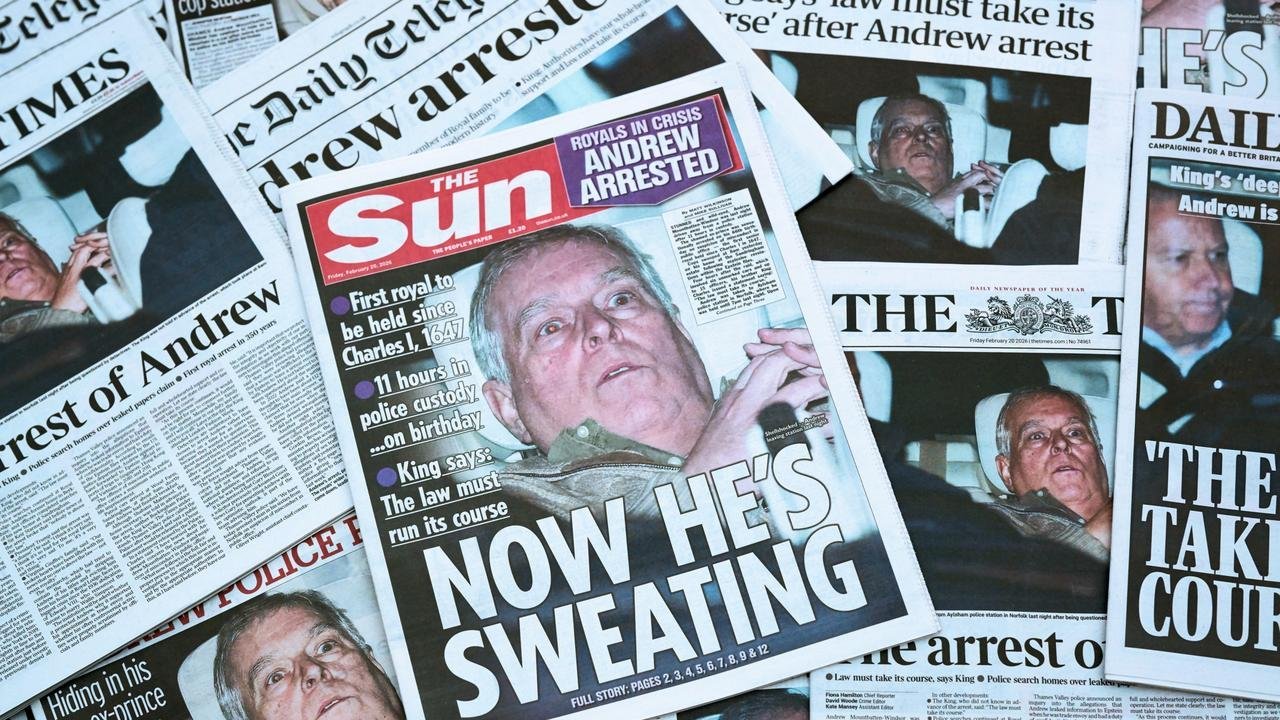
As the fallout from Andrew’s arrest on suspicion of misconduct in public office continues to unfold, one thing is clear: the former duke’s behaviour has serious implications for Australia and its relationships with the UK and other nations. It’s time for a reckoning, and for those in power to be held accountable for their actions.