
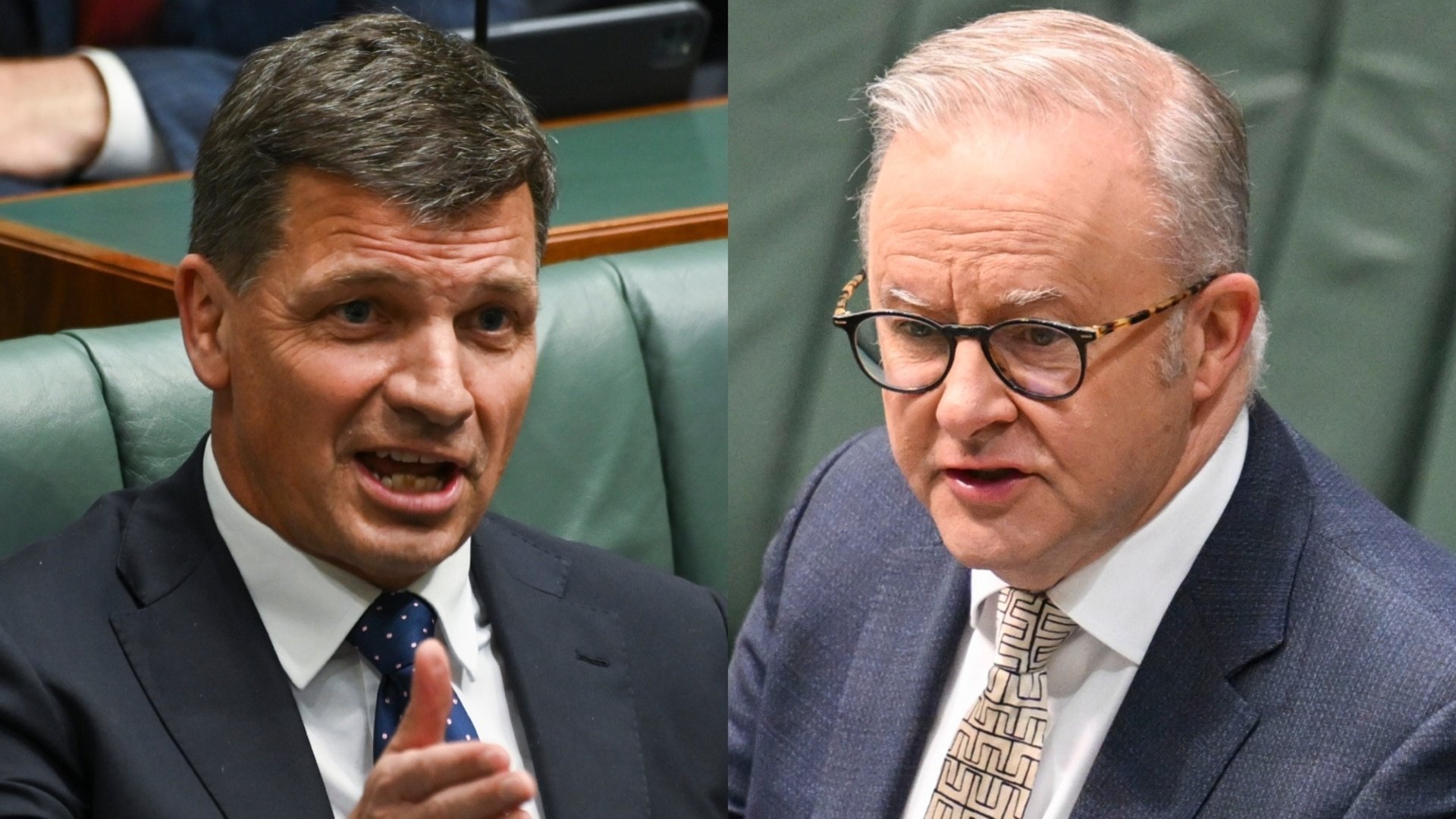
Albo’s Approval Plummets as New Opposition Leader Angus Taylor Takes Centre Stage
- Anthony Albanese’s popularity takes a hit as Angus Taylor becomes opposition leader, according to a major Newspoll
- Labor’s primary support falls to 32 per cent, down from 37 per cent in October, while the Coalition rises to 20 per cent
- One Nation’s meteoric rise stalls, but the party remains a major force, holding steady at 27 per cent of the primary vote
Prime Minister Anthony Albanese’s popularity has taken a significant hit following the election of Angus Taylor as opposition leader, according to the latest Newspoll. The poll, which surveyed 1237 voters, shows Mr Albanese still leading as preferred prime minister, but his support has slumped to 45 per cent, down from 54 per cent late last year.
The primary support for Labor has also fallen, dropping to 32 per cent, down from a high of 37 per cent in October. In contrast, the Coalition has seen a slight increase, rising from a historic low of 18 per cent to 20 per cent. One Nation has plateaued, holding steady at 27 per cent of the primary vote, while the Greens have fallen one point to 11 per cent.
The results have put a pause on One Nation’s rapid rise in the polls over summer, which some analysts had suggested would be short-lived. The party’s core support had skyrocketed to 24 per cent in South Australia, threatening the Liberal Party’s 13 seats in the state. However, the latest poll suggests that One Nation’s growth may be slowing.

Security analysts say that the upcoming election in South Australia will be a crucial test of One Nation’s support, and could have significant implications for the Liberal Party’s chances of retaining power. “If One Nation can replicate its performance in South Australia across the country, it could spell disaster for the Liberals,” said one analyst.
Analysis: What This Means for Australia
The latest poll results have significant implications for national security and the future of Australian politics. If One Nation continues to grow in popularity, it could lead to a shift in the balance of power in the country, potentially threatening the stability of the government. Law enforcement insiders warn that the rise of far-right populist parties like One Nation could also have consequences for community safety and social cohesion.
Industry observers believe that the election in South Australia will be a crucial test of One Nation’s appeal, and could have significant implications for the party’s chances of gaining power at a federal level. “If One Nation can perform well in South Australia, it could be a game-changer for the party,” said one observer.