
Hospitals in Crisis: NSW Government Unveils Shocking Maintenance Issues, Including Ceiling Collapse and Fungal Infections
- Newly uncovered maintenance issues in NSW hospitals, including a ceiling collapse at Orange Hospital and a fungal infection cluster at Royal Prince Alfred Hospital linked to two deaths.
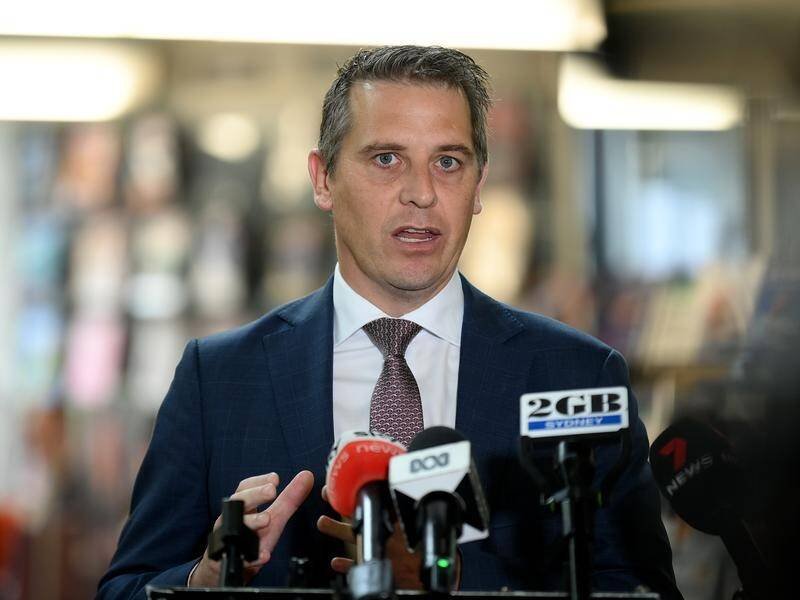
- Health Minister Ryan Park rejects accusations of “negligence on his watch” over major maintenance issues across the state’s hospitals.
- Review finds 112 non-routine issues over the past year, with 74 resolved, 32 being rectified, and six being closely examined.
A shocking review of NSW hospitals has exposed a litany of maintenance issues, including a ceiling collapse at Orange Hospital and a fungal infection cluster at Royal Prince Alfred Hospital that has been linked to two deaths. The revelations have sparked outrage and raised serious questions about the state’s ability to provide safe and reliable healthcare.
The review, which was conducted by the NSW government, found 112 non-routine issues over the past year, with 74 resolved, 32 being rectified, and six being closely examined. Health Minister Ryan Park has rejected accusations of “negligence on his watch” over the major maintenance issues, but the opposition has slammed the government’s response as inadequate.
In one of the most disturbing incidents, parts of a ceiling at Orange Hospital fell on a doctor’s head in September last year. An incident report revealed that the ceiling panel had water damage and had previously been reported to administration authorities. Park described the incident as “not something any of us want to see” but assured that the government was working to rectify the issue as quickly as possible.
The fungal infection cluster at Royal Prince Alfred Hospital was linked to construction work at the hospital and was first detected in October last year. However, Park’s office was not informed until Christmas Eve, and he was not notified until early February this year. A draft press release about the incident was not released on December 24, with the chief executive of Sydney Local Health District, Deb Willcox, claiming that an advisory panel decided it was not necessary.
The opposition has slammed the government’s response to the crisis, with MLC Susan Carter accusing Park of failing to take responsibility for the maintenance issues. “We’ve got a duty of care and a duty to warn,” she said. “There are significant questions about whether that standard was met.”
Park has denied any negligence, saying that health authorities took all necessary measures to address the issues. However, documents released to parliament have revealed that maintenance issues were also identified at Orange Hospital, including water damage to a ceiling panel, and that challenges of mould in operating theatres and the Intensive Care Unit in Tamworth Hospital were reported in 2022 but were still unresolved in November last year.
Analysis: What This Means for Australia
The maintenance issues in NSW hospitals have serious implications for national security and public safety. The fact that these issues have been allowed to persist for so long raises questions about the government’s ability to provide adequate healthcare and protect the welfare of its citizens. The economic and social consequences of these failures are also significant, with the potential to affect not only the health and wellbeing of individuals but also the broader economy.
Security analysts say that the maintenance issues in NSW hospitals highlight the need for greater investment in healthcare infrastructure and more robust maintenance protocols. “The fact that these issues have been allowed to persist for so long is a major concern,” said one analyst. “It’s not just about the health and wellbeing of individuals, it’s about the integrity of our entire healthcare system.”
Law enforcement insiders warn that the failure to address these issues could have serious consequences for public safety. “If we can’t trust our healthcare system to provide safe and reliable care, how can we trust it to respond to emergencies and crises?” said one insider.
Industry observers believe that the maintenance issues in NSW hospitals are a symptom of a broader problem, namely a lack of investment in healthcare infrastructure and a failure to prioritize maintenance and upkeep. “We need to take a hard look at our priorities and make sure that we’re investing in the things that matter most,” said one observer.