
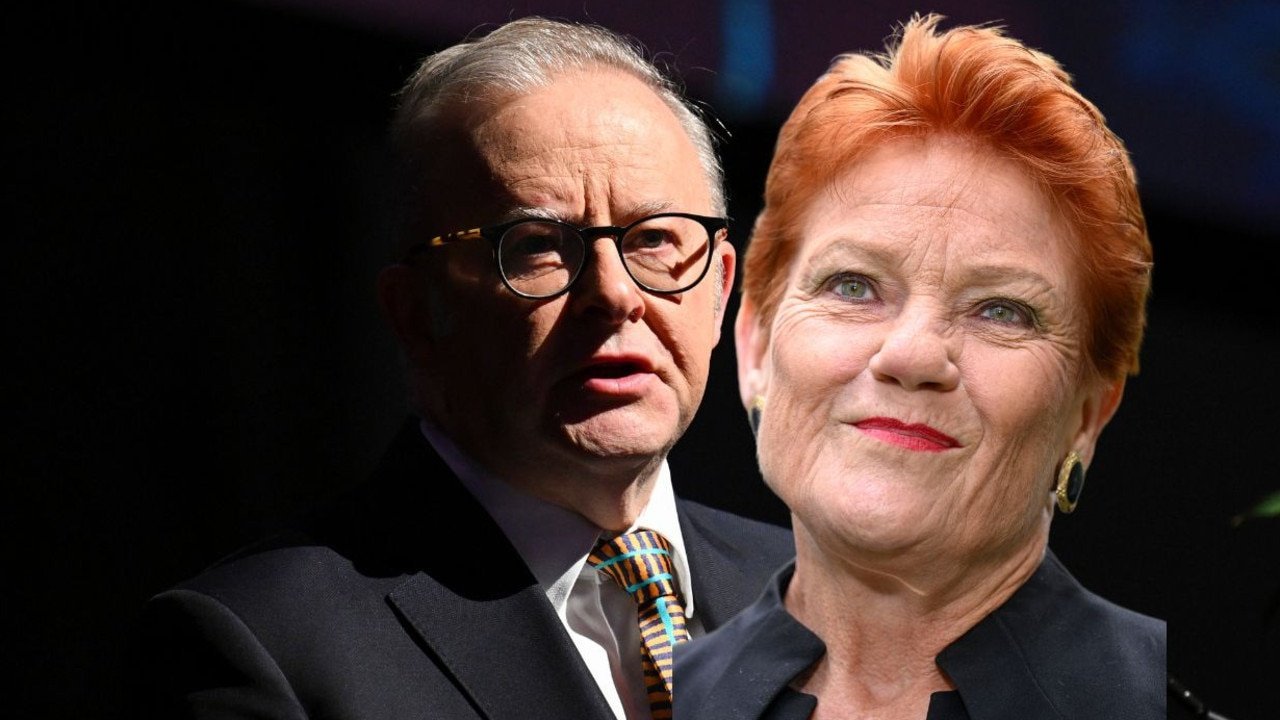
SA Liberals on Brink of Historic Election Wipeout as One Nation Surges: What This Means for Australia’s Political Landscape
- Polls predict devastating loss for SA Liberals, potentially leaving them with no metro Adelaide seats
- One Nation’s popularity surge could lead to coalition with Liberals or emergence as new opposition
- SA Premier Peter Malinauskas enjoys 61% approval rating, while Liberal supporters overwhelmingly disapprove of his leadership
In a shocking turn of events, the South Australian Liberal party is on the cusp of a historic election wipeout, with polls suggesting they may be left with no metro Adelaide seats. This devastating loss could see the party handed the poisoned chalice of the worst election result on record, a title currently held by the Labor party. The 2026 state election is shaping up to be a bloodbath for the Liberals, with One Nation surging in popularity and potentially emerging as a major player in the state’s political landscape.
The latest Roy Morgan survey paints a dire picture for the Liberals, with primary support for the party plummeting to 16.5%, down 19.7% from the 2022 state election. In contrast, One Nation’s popularity has soared, with 28% of voters backing the party, up 25.4% from the previous election. Labor remains ahead, with 35% primary support, down 5% from 2022.
The survey also reveals that a clear majority of 61% of electors approve of Premier Peter Malinauskas’s handling of his job, while 37% disapprove. However, the results are vastly different among Liberal and One Nation supporters, with a large majority of both groups disapproving of Malinauskas’s leadership.
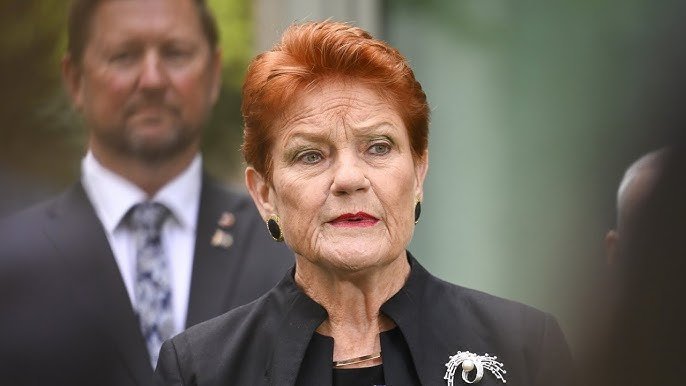
The expected Liberal wipeout could lead to a coalition with One Nation, or see the party emerge as the new opposition. One Nation’s leader, Pauline Hanson, has been a vocal critic of the major parties, and her party’s surge in popularity has been driven in part by disillusionment with the traditional parties. While One Nation is unlikely to topple the major parties, they could potentially gain a dozen lower house seats and hold the balance of power.
Meanwhile, Labor is expected to retain its grip on power, with the party’s strong approval ratings and popularity among voters set to translate into a comfortable election victory. However, the party is not without its challenges, with several seats held by slim margins. The seat of Kaval is one to watch, with Labor’s chances of winning the seat dependent on attracting new and younger families who are already Labor voters.
Analysis: What This Means for Australia
The potential wipeout of the SA Liberals and the surge in popularity of One Nation has significant implications for Australia’s political landscape. The result could lead to a shift in the balance of power, with minor parties and independents holding more sway in the state parliament. This could lead to a more fractured and unpredictable political landscape, with the major parties struggling to maintain their grip on power.
Security analysts say that the rise of minor parties and independents could lead to a more fragmented and unstable political environment, making it harder for governments to pass legislation and implement policy. Law enforcement insiders warn that the increased influence of minor parties could lead to a greater emphasis on populist policies, rather than evidence-based decision-making.
Industry observers believe that the result could also have significant economic implications, with the potential for increased uncertainty and instability in the state’s economy. This could lead to a decline in business confidence and investment, as companies become wary of investing in a state with a volatile political environment.
Ultimately, the 2026 SA state election is shaping up to be a pivotal moment in Australian politics, with the potential to reshape the country’s political landscape for years to come.