
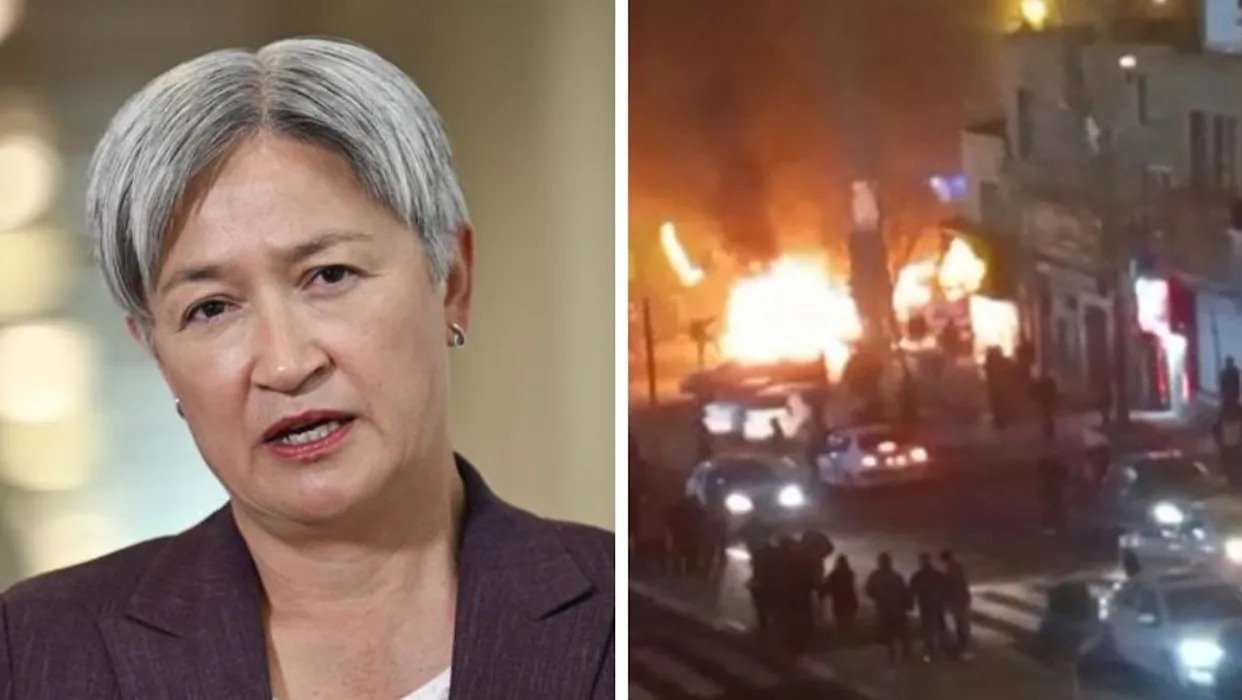
WAR IN THE MIDDLE EAST: Aussie Economy on Brink of Disaster as Petrol Prices Soar and Inflation Hits Households
- Fears of $3-per-litre petrol and 0.15 per cent inflation hike as Middle East conflict escalates
- Housing Minister Clare O’Neil and Shadow Attorney General Michaelia Cash clash over economic fallout
- Australian households already under financial pressure face another hit, with warnings of economic disaster
The war in the Middle East has sparked a heated debate over the economic fallout, with warnings that petrol prices could skyrocket to $3 per litre and inflation could rise by 0.15 per cent. The clash between Housing Minister Clare O’Neil and Shadow Attorney General Michaelia Cash on Sunrise has brought to the fore the fears of Australians already struggling to make ends meet.
The Treasury has predicted a 0.15 per cent hike in inflation, while Westpac economists have flagged petrol prices could surge to as much as $3 per litre. This has raised concerns about the impact on household budgets, which are already under pressure from the rising cost of living.
The debate between O’Neil and Cash quickly turned into a blame game, with the Opposition accusing the government of having “destroyed the economy” and leaving the country exposed to global risks. O’Neil acknowledged the conflict would have an economic impact on Australia but argued that the government’s priority was to help families with the cost of living. Cash, on the other hand, claimed that the government’s spending was fuelling inflation and that the Reserve Bank Governor Michelle Bullock had warned Labor to rein in its spending.
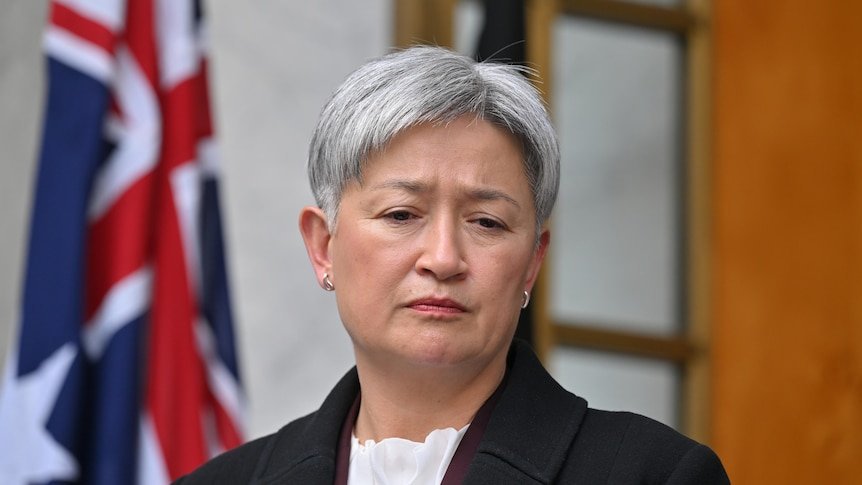
O’Neil defended Labor’s record, pointing to lower taxes, Medicare supports, cheaper medicines, cheaper childcare, and wage increases as evidence of cost-of-living relief. She urged Cash not to turn the crisis into partisan warfare, but Cash hit back, saying that the government had failed miserably when it came to the economy.
Despite the political battle, both ministers struck a more measured tone when asked about the possibility of Australia being drawn into military action. They confirmed that no request had been made for Aussie troops to head to war zones in the Middle East, and that the focus remained on closely monitoring developments, supporting Australians in the region, and managing the economic consequences at home.
Analysis: What This Means for Australia
The escalating conflict in the Middle East poses a significant threat to Australia’s economy, with warnings of rising petrol prices and inflation. The government’s ability to manage the economic fallout will be crucial in the coming weeks. Security analysts say that the conflict has exposed Australia’s vulnerability to global risks, and that the government must take a proactive approach to mitigate the impact on households. Law enforcement insiders warn that the economic consequences of the conflict could lead to increased crime and social unrest.
Industry observers believe that the government’s handling of the crisis will have long-term implications for Australia’s economic stability. The next interest rate decision, due in a fortnight, will be critical in determining the direction of the economy. With the door open for back-to-back hikes, Australians are bracing themselves for another hit to their already stretched household budgets.
As the conflict in the Middle East continues to escalate, one thing is clear: the economic implications for Australia will be far-reaching and devastating. The government must take swift action to mitigate the impact on households and ensure that the economy remains stable in the face of global uncertainty.