
Deadly Mould Crisis Rocks NSW Hospitals: Premier Apologises to Families of Two Children Killed by Fungal Infections
- Two young cancer patients die from mould infections at Children’s Hospital at Westmead, sparking outrage and calls for transparency
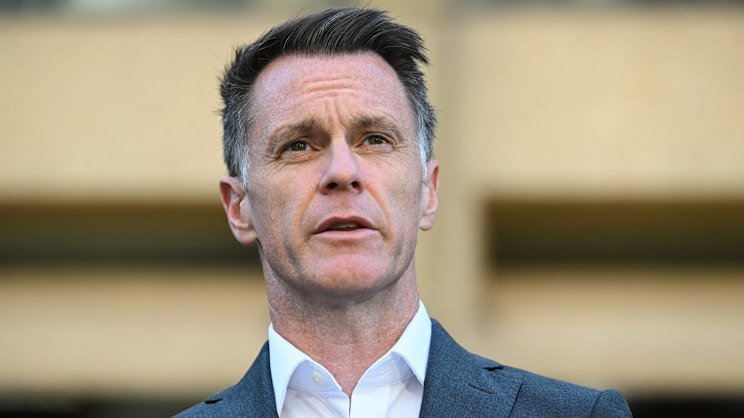
- NSW Premier Chris Minns apologises to families, promising full transparency into deadly mould problems in state hospitals
- Health Minister Ryan Park admits transition to new hospitals has been difficult, but commits to improving patient safety
The people of New South Wales are reeling in shock and anger after it was revealed that two young cancer patients at the Children’s Hospital at Westmead died from mould infections. The devastating news has sparked an apology from NSW Premier Chris Minns and calls for transparency into the deadly mould problems plaguing the state’s hospitals.
The tragic deaths are the latest in a string of mould-related incidents in NSW hospitals, including a deadly mould cluster at Royal Prince Alfred Hospital that claimed the lives of three organ transplant patients. The premier’s apology comes as Health Minister Ryan Park admits that the transition to new hospitals has been difficult, but commits to improving patient safety.
The mould infections at Children’s Hospital at Westmead have raised serious questions about the state of NSW’s healthcare system and the measures in place to protect vulnerable patients. With the premier promising full transparency into the investigation, the people of NSW are demanding answers and action to prevent such tragedies from happening again.
The background to this crisis lies in the ageing infrastructure of many of NSW’s hospitals. As the state’s population continues to grow, the healthcare system is struggling to keep up, with many hospitals in desperate need of renovation and upgrading. The transition to new facilities has been slow and difficult, leaving patients and staff to deal with the consequences of outdated infrastructure.
Analysis: What This Means for Australia
The mould crisis in NSW hospitals has serious implications for national security and public health. As the state’s healthcare system struggles to cope with the demand for services, the risk of further outbreaks and tragedies increases. The government’s response to this crisis will be closely watched, with many calling for greater investment in healthcare infrastructure and more transparency into the management of hospitals.
Security analysts say that the crisis highlights the need for a comprehensive review of healthcare infrastructure and emergency preparedness across the country. “The mould crisis in NSW hospitals is a wake-up call for governments and healthcare providers across Australia,” said one expert. “We need to take a hard look at our infrastructure and our preparedness for emergencies to ensure that we’re doing everything we can to protect patients and staff.”
Law enforcement insiders warn that the crisis also has implications for public safety, with the potential for further outbreaks and tragedies if the root causes are not addressed. “This is not just a healthcare issue, it’s a public safety issue,” said one source. “We need to get to the bottom of what’s going on and make sure that those responsible are held accountable.”
The economic and social consequences of the crisis are also significant, with the potential for further strain on the healthcare system and the state’s economy. Industry observers believe that the crisis could have long-term implications for the state’s reputation and its ability to attract investment and talent.