
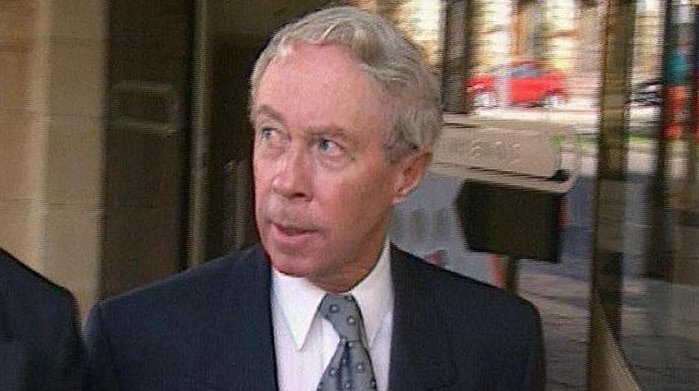
South Australia’s Most Notorious Paedophile: Attorney-General Fights to Keep Peter Liddy Behind Bars for Life
- Peter Liddy, a convicted paedophile and former magistrate, faces indefinite detention after serving 25 years for child sex abuse
- South Australia’s Attorney-General Kyam Maher applies to keep Liddy jailed, citing public safety concerns and lack of remorse
- Liddy’s sentence ends in June, but experts warn he still poses a risk to the community, with no evidence of rehabilitation
In a bid to protect the community from one of South Australia’s most notorious paedophiles, Attorney-General Kyam Maher has applied to have Peter Liddy jailed indefinitely. Liddy, a former magistrate, was sentenced to 25 years in prison in 2001 for the sexual abuse of children at Brighton Surf Life Saving Club between 1983 and 1986.
Liddy’s sentence is set to end in June this year, but Maher is determined to ensure the 71-year-old does not walk free. The Attorney-General has lodged an application in the South Australia Supreme Court for Liddy’s indefinite detention, citing the need to prioritise public safety and protect children from a “vile monster”.
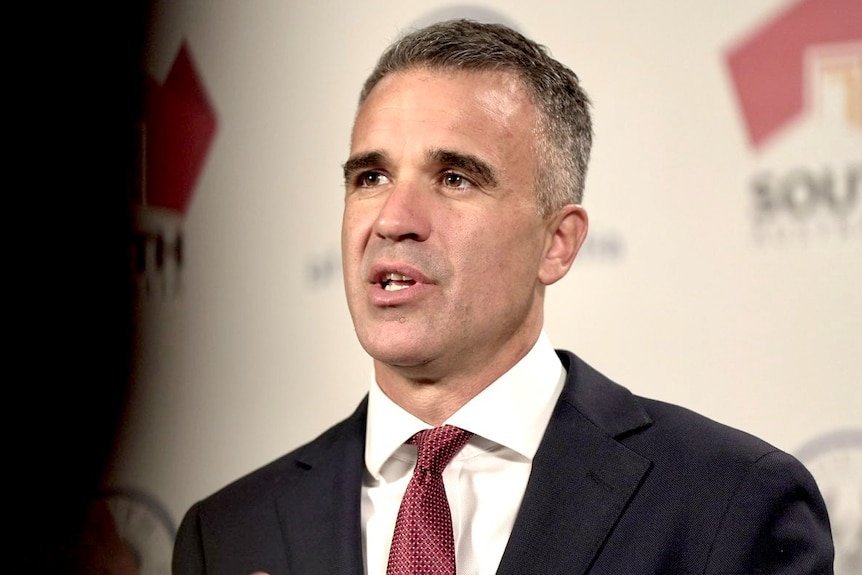
“Peter Liddy was convicted of heinous crimes against innocent young children,” Maher said. “What we’re doing is doing everything in our power to make South Australians as safe as possible, to make sure there is the highest level of monitoring, or indefinite detention for a vile monster like Peter Liddy.”
Liddy has been eligible for release on parole since July 2019, but has been refused multiple times due to his lack of remorse and continued risk to the community. SA Parole Board chair Frances Nelson KC said the board had “always refused” Liddy’s parole applications, citing his refusal to accept responsibility for his crimes and his continued victim-blaming.
“He engages in victim blaming, he has no empathy,” Nelson KC said. “Of course, he denies that he’s guilty and he’s entitled to do that, but we don’t feel comfortable he’s still not a risk to the community.”
Two expert medical reports will be presented to the court before a decision is made on Liddy’s detention. Maher has also applied for an extended supervision order, which would impose strict conditions on Liddy’s release, should he be granted parole.
Security analysts say Liddy’s case highlights the need for stronger measures to protect the community from high-risk offenders. “The fact that Liddy has shown no remorse and continues to pose a risk to the community underscores the importance of indefinite detention in cases like this,” one expert said.
Law enforcement insiders warn that Liddy’s release would send a dangerous message to the community, and undermine efforts to combat child sex abuse. “We need to send a clear message that crimes against children will not be tolerated, and that those who commit them will face the full force of the law,” an insider said.
Analysis: What This Means for Australia
The Liddy case has significant implications for national security and public safety in Australia. It raises questions about the effectiveness of the parole system and the need for stronger measures to protect the community from high-risk offenders. As Australia grapples with the ongoing threat of child sex abuse, cases like Liddy’s serve as a stark reminder of the need for vigilance and tough action.
Industry observers believe the Liddy case will spark a national conversation about the need for reform in the parole system. “This case highlights the need for a more robust approach to managing high-risk offenders, and ensuring that the community is protected from those who pose a threat,” one expert said.
As the court deliberates on Liddy’s fate, the people of South Australia will be watching closely, hoping for a decision that prioritises their safety and security. One thing is clear: Peter Liddy’s case will have far-reaching implications for the way Australia approaches the issue of child sex abuse, and the need for tough action to protect the community.