

‘Travel Chaos Looms’: Australia Warned to Prepare for Five Months of Middle East Unrest as Conflict Spreads Beyond Region
- Australians urged to rethink European travel plans as Iran launches attacks on 11 countries, including a NATO member
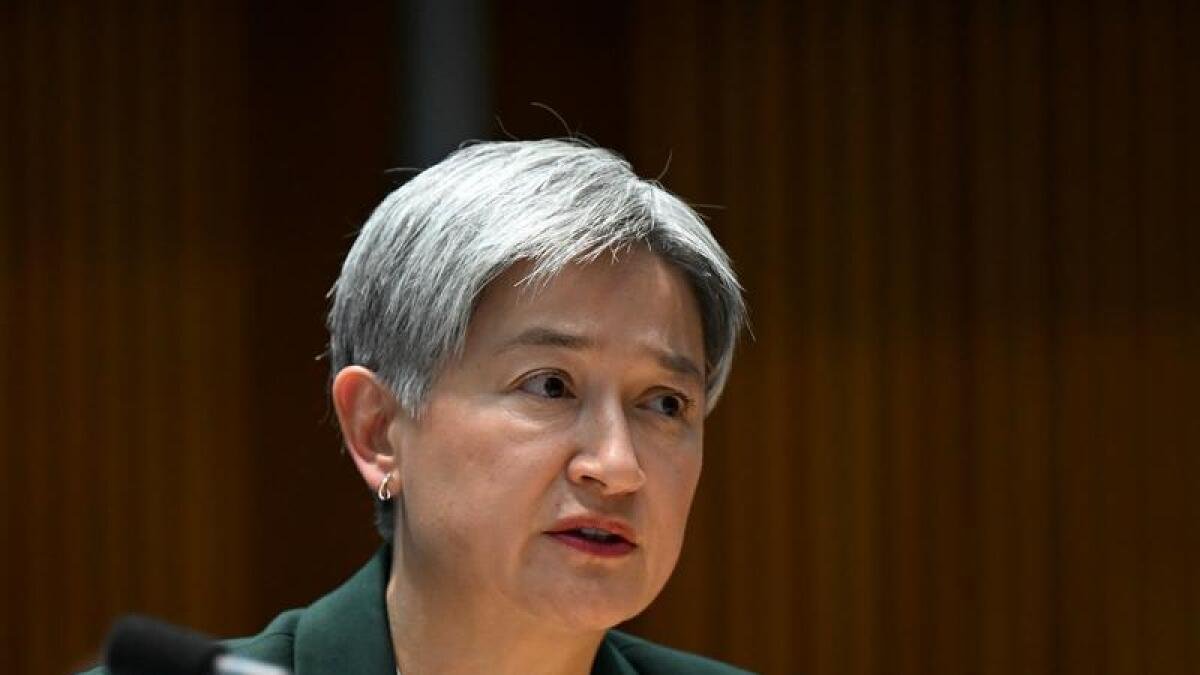
- Foreign Minister Penny Wong warns of an unpredictable and rapidly escalating conflict that has caught governments off guard
- Airfares set to skyrocket as global aviation disruption expected to last at least four to five months
The Middle East conflict is spreading at an alarming rate, and Australians are being warned to think carefully about their travel plans for the next five months – especially to Europe. Foreign Minister Penny Wong has cautioned that the situation is evolving far more quickly than anticipated, with Iran now having launched attacks across 11 countries, including a NATO member.
Senator Wong expressed deep concern about the rapidly escalating conflict, which has seen Iran attack a NATO member and strike 11 countries in a matter of days. “The conflict has spread much more quickly and much more widely than we anticipated,” she said. “No one would have anticipated that in the first 72 hours Iran would have struck nine countries.”
The conflict has already had far-reaching consequences, with the United States using a torpedo to sink an Iranian warship off the coast of Sri Lanka in the Indian Ocean, and NATO deploying its defences to intercept an Iranian ballistic missile headed for Turkey. The speed and scale of the escalation have caught many by surprise, and Senator Wong warned that the situation remains unpredictable.
Australians currently in the Middle East are being prioritized, with one evacuation flight returning home overnight and three more scheduled to depart from the United Arab Emirates over the coming days. However, these remain subject to last-minute cancellation as the situation continues to evolve.
Chairman of Avlaw Consulting and former head of Safety and Regulation at Qantas, Professor Ron Bartsch, warned that Australia would feel the disruption more than most countries due to our reliance on European stopovers. “What’s going to happen now is that obviously Qantas and Virgin’s sharing arrangements will try to deviate more towards other alternate routes through Bangkok, Singapore, Hong Kong and the Philippines in order to reach Europe,” he said. “The longer this military operation goes on means airfares will increase accordingly.”
Bartsch predicted that the disruption to global aviation could last for at least the next four to five months, with airfares set to skyrocket as a result.
Analysis: What This Means for Australia
The escalating conflict serves as a stark reminder of why Australia continues to strengthen its defence capability, with the AUKUS partnership with the United States and the United Kingdom playing a critical role in securing peace in the Indo-Pacific. Senator Wong pointed to the trilateral security pact, which will see Australia replace its ageing submarine fleet with nuclear-powered submarines designed to strengthen long-range deterrence and security.
“We continue to invest in Australia’s defence capability,” she said. “This is a reminder of why the AUKUS partnership to enable Australia to replace its existing submarine capability with a new submarine capability matters, deterrence matters. That is one of the ways in which you secure peace.”
Security analysts say the conflict highlights the importance of a robust defence strategy, particularly in the face of an unpredictable and rapidly evolving threat. “The situation in the Middle East is a stark reminder of the need for Australia to maintain a strong defence capability,” said one analyst. “The AUKUS partnership is critical in this regard, and will play a vital role in securing peace and stability in the Indo-Pacific.”
Law enforcement insiders warn that the conflict also has implications for national security, with the potential for retaliatory attacks on Australian soil. “The situation in the Middle East is a complex and rapidly evolving threat, and Australia needs to be prepared for any eventuality,” said one insider. “The government must ensure that our national security agencies are adequately resourced to respond to any potential threats.”
As the conflict continues to unfold, Australians are being urged to remain vigilant and to think carefully about their travel plans. With airfares set to skyrocket and global aviation disruption expected to last for at least four to five months, it’s clear that the Middle East conflict will have far-reaching consequences for Australia.