
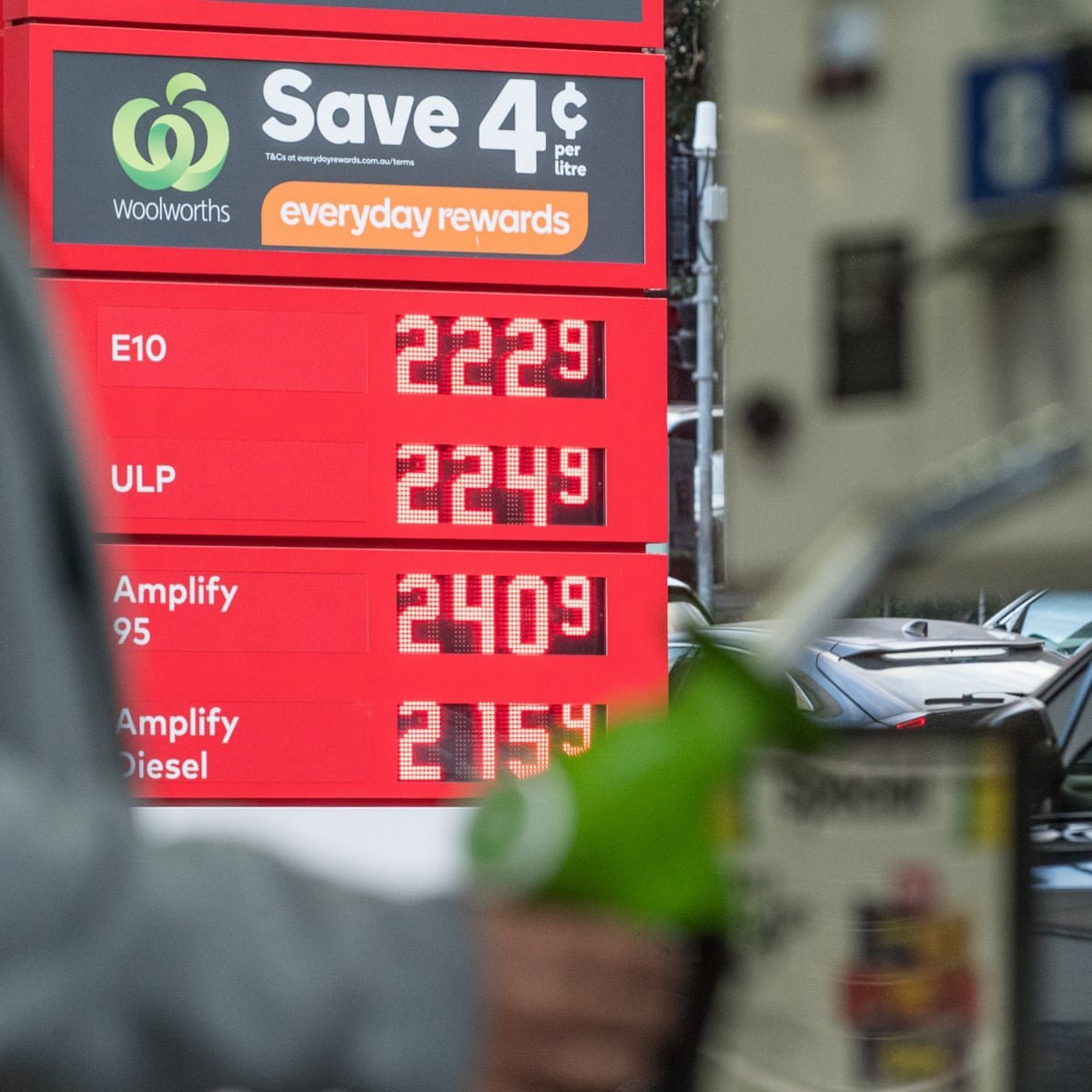
Fuel Fury: Aussies Slugged as Petrol Prices Skyrocket Amid Middle East Crisis
- Australians are paying almost $4 a litre for fuel in remote regions, with prices surging 20 cents overnight in some areas
- The NRMA is calling for the ACCC to crack down on inflated pricing, warning that some service stations are using the Middle East crisis as an excuse to hike prices
- Motorists are taking to social media to express outrage, with some calling for a cap on petrol prices and others urging calm
As the conflict in the Middle East deepens, Australian motorists are feeling the pinch at the bowser, with fuel prices surging to record highs in some areas. In remote regions, diesel is already selling for as much as 399 cents per litre, while in major cities, regular unleaded is going for over 219.9 cents per litre. The NRMA is warning that some service stations are taking advantage of the situation, hiking prices by as much as 20 cents overnight.
The situation is particularly dire in the Northern Territory, where diesel has climbed to as high as $3.99 a litre in some areas. In Milingimbi, another Arnhem Land community, diesel is currently selling for 395 cents per litre. The NRMA’s Peter Khoury has called on the ACCC to take action, warning that some service stations are using the Middle East crisis as an excuse to inflate prices.
But the ACCC says that Australian retail fuel prices are largely determined by movements in international benchmark refined fuel prices, which are driven by international crude oil prices, and the AUD-USD exchange rate. The watchdog notes that changes in international and wholesale prices do influence what motorists pay, but those changes can take time to flow through. Since mid-February, average wholesale petrol prices across the five largest cities have increased by around 8 cents per litre.
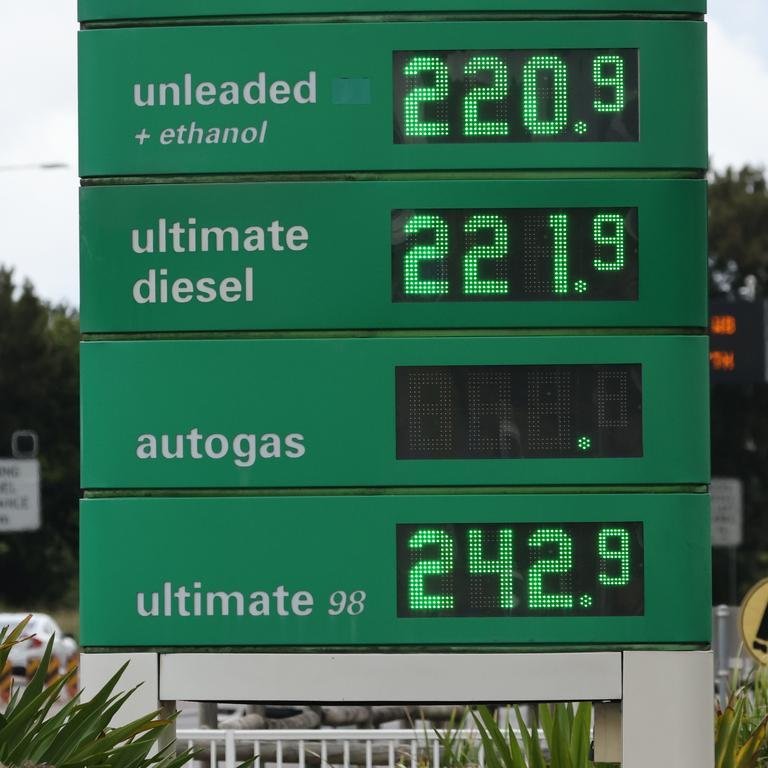
Despite the ACCC’s explanation, motorists are still feeling the pain. In Sydney’s inner west, news.com.au witnessed heated scenes at a Metro Petroleum station in Earlwood, where drivers queued from before dawn to access the city’s cheapest fuel. Workers reported customers lining up from 5am – half an hour before opening – with some travelling up to 50km to fill up before anticipated hikes. One worker said they’d seen three fights already that day, and car horn communications were a frequent staple of the slow-moving line.
Analysis: What This Means for Australia
The surge in fuel prices has significant implications for Australian families and the broader economy. AMP chief economist Shane Oliver warns that if oil prices were to jump sharply – for example, by USD $40 a barrel – that could translate to roughly 40 cents a litre at the pump in Australia. This could have a devastating impact on household budgets, particularly for low-income families who are already struggling to make ends meet.
Security analysts say that the situation highlights Australia’s vulnerability to global events, particularly in the Middle East. The country’s reliance on imported oil makes it susceptible to price shocks, which can have far-reaching consequences for the economy and national security. Law enforcement insiders warn that the situation could also lead to an increase in fuel theft and other criminal activity, as desperate motorists turn to illegal means to fill up their tanks.
Industry observers believe that the government needs to take a more proactive approach to addressing the issue, including investing in alternative energy sources and implementing measures to reduce the country’s reliance on imported oil. In the short term, motorists are being urged to shop around using free fuel price apps and websites, such as FuelCheck NSW, to find the best deals.
Treasurer Jim Chalmers has written to the ACCC to ensure service stations “don’t do the wrong thing”. “We don’t want service stations to take advantage of people,” he said. “Retailers cannot be taking people for mugs.” But as the situation continues to unfold, one thing is clear: Australian motorists are paying the price for the country’s lack of energy security.