
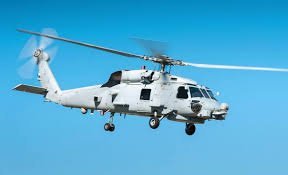
Australian Military Helicopter Forced to Take Evasive Action as Chinese Navy Chopper Engages in ‘Unsafe and Unprofessional’ Encounter
- Australian Defence Force MH-60R helicopter intercepted by Chinese People’s Liberation Army-Navy helicopter in Yellow Sea
- Chinese chopper matched Australian aircraft’s altitude before closing to an unsafe distance, posing risk to personnel
- Australia raises concerns with China, demanding safe and professional military operations
The Australian Defence Force (ADF) has revealed a shocking incident where one of its military helicopters was forced to take evasive action after a Chinese navy chopper engaged in an “unsafe and unprofessional” encounter in the Yellow Sea. The dramatic incident has sparked concerns about China’s military behaviour and raised questions about the safety of Australian personnel operating in the region.
The ADF’s MH-60R helicopter, launched from the frigate HMAS Toowoomba, was undertaking routine activities as part of Operation Argos, Australia’s contribution to enforcing United Nations Security Council sanctions against North Korea. However, the mission took a dangerous turn when a People’s Liberation Army-Navy (PLA-N) helicopter intercepted the Australian aircraft.
The PLA-N helicopter matched the Australian aircraft’s altitude before closing to an unsafe distance, posing a significant risk to the ADF personnel on board. The Australian Defence Department described the manoeuvre as “unsafe and unprofessional”, highlighting the potential consequences of such reckless behaviour.
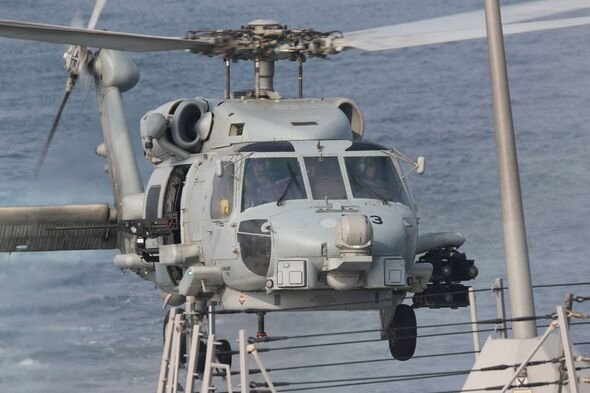
“This was an unsafe and unprofessional manoeuvre that posed a risk to our aircraft and its personnel,” the ADF statement read. “While there were no injuries sustained by ADF personnel or damage caused to the MH-60R helicopter, the safety and wellbeing of our ADF personnel continues to be our utmost priority.”
Australia is not the only country to experience aggressive behaviour from China’s military. In October, a Chinese fighter jet dropped flares in front of an Australian surveillance plane over the South China Sea. Defence Minister Richard Marles warned at the time that the outcome could have been different, highlighting the gravity of the situation.
Analysis: What This Means for Australia
This incident highlights the growing concerns about China’s military expansion and its implications for regional security. The unsafe and unprofessional behaviour of the PLA-N helicopter raises questions about China’s commitment to safe and responsible military operations. As Australia continues to operate in the region, the risk of similar incidents increases, putting Australian personnel at risk.
Security analysts say that China’s aggressive military posturing is a worrying trend, and incidents like this could escalate tensions in the region. Law enforcement insiders warn that such behaviour could lead to miscalculations and unintended consequences, posing a significant threat to regional stability.
Industry observers believe that Australia must take a firm stance against China’s military aggression, demanding safe and professional operations. The incident also underscores the need for increased investment in Australia’s military capabilities to ensure the country can respond effectively to emerging threats.
As Australia navigates the complex geopolitical landscape, the incident serves as a stark reminder of the importance of prioritizing the safety and security of ADF personnel. The government must ensure that our military is equipped to respond to emerging threats and that our personnel are protected from reckless and aggressive behaviour.