
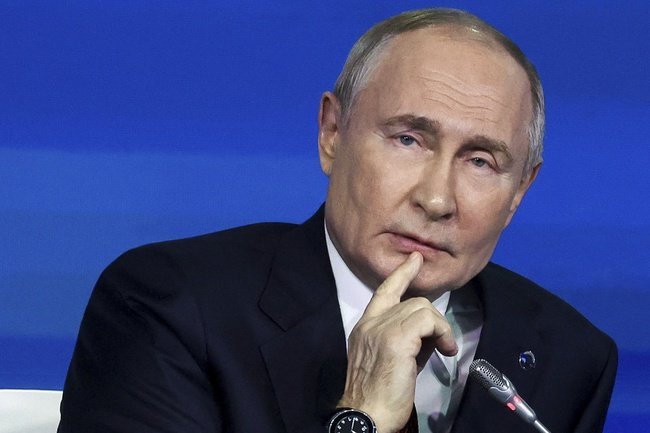
Russia’s Deadly Gift: How Moscow’s Secret Intel Sharing with Iran Threatens US Military in the Middle East
- Russia provides Iran with sensitive information to strike US warships, aircraft, and assets in the region, according to US intelligence sources.
- The revelations raise concerns about Moscow’s involvement in the US-Iran conflict and its potential to escalate tensions in the Middle East.
- The White House downplays the significance of the intel sharing, but experts warn it could have devastating consequences for US national security.
- Russia’s motives behind the intel sharing remain unclear, but its close ties with Iran and desire for military gain in Ukraine may be driving its actions.
The news that Russia has shared sensitive information with Iran, potentially enabling Tehran to strike US military assets in the region, has sent shockwaves through the international community. According to US intelligence sources, Moscow has provided Iran with critical intel that could be used to target American warships, aircraft, and other assets in the Middle East. While the White House has downplayed the significance of this development, experts warn that it could have far-reaching consequences for US national security.
The revelation comes as the US and Israel have launched a military operation against Iran, and Russia’s involvement raises concerns about the potential for escalation in the region. Moscow has maintained friendly relations with Tehran, despite the country’s isolation over its nuclear program and support for proxy groups in the Middle East. The Kremlin’s decision to share intel with Iran marks a significant shift in its stance, and one that could have devastating consequences for the US and its allies.
Russia’s motives behind the intel sharing remain unclear, but its desire for military gain in Ukraine may be driving its actions. The country has been seeking to bolster its military capabilities, and its relationship with Iran has been instrumental in achieving this goal. The Biden administration has accused Iran of supplying Moscow with attack drones and assisting in the construction of a drone-manufacturing factory, and it’s likely that Russia is seeking to reciprocate with intel sharing.
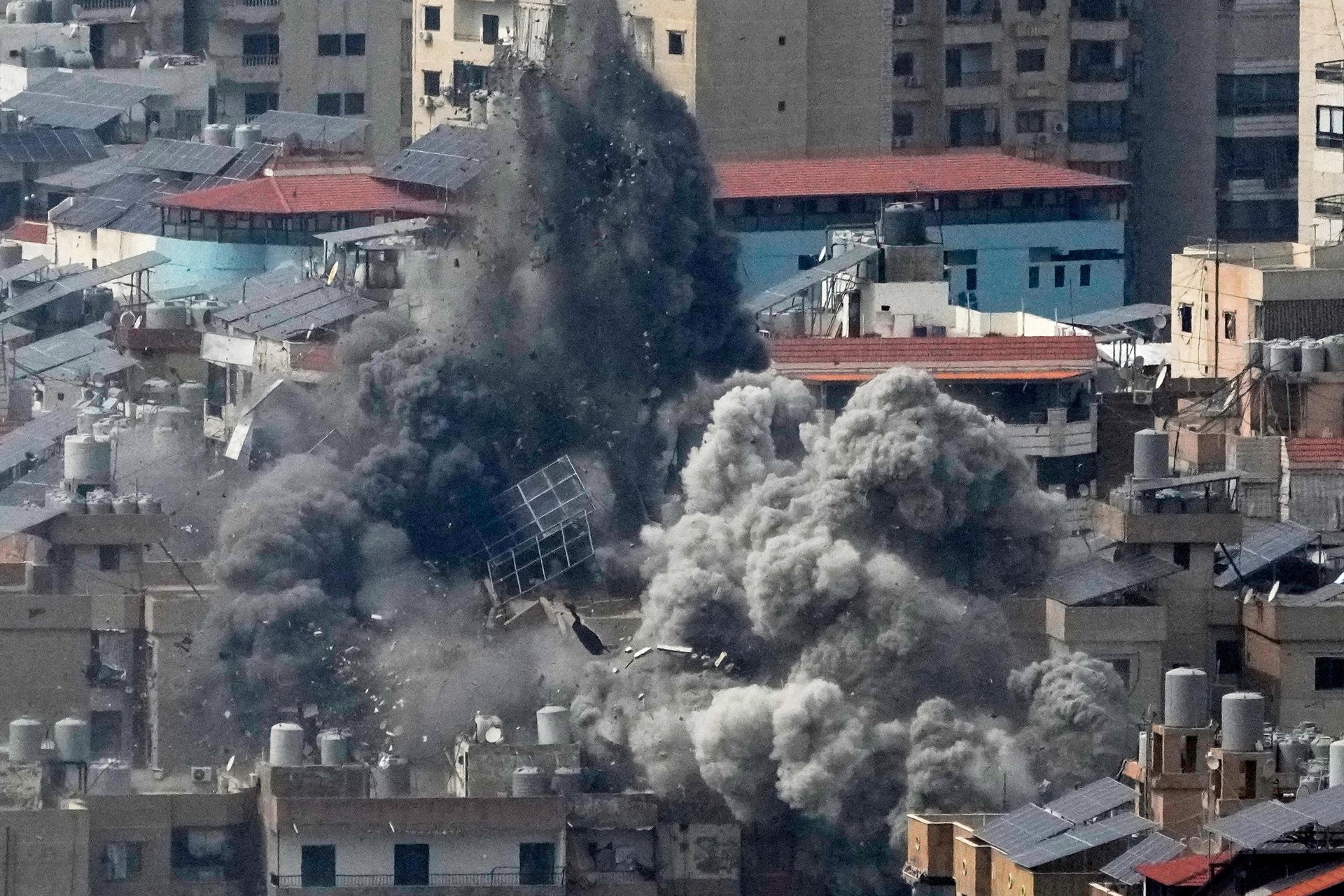
Analysis: What This Means for Australia
The implications of Russia’s intel sharing with Iran are far-reaching and have significant consequences for Australia’s national security. The country’s close proximity to the Middle East makes it vulnerable to the escalating tensions in the region. The potential for Iran to strike US military assets could have a ripple effect, drawing in other countries and sparking a wider conflict. Australia’s role in the region, particularly its involvement in the war against ISIS, makes it a potential target for terrorist groups and rogue states.
Security analysts warn that the intel sharing could embolden Iran and its proxy groups, leading to increased terrorist activity in the region. This, in turn, could lead to a rise in asylum seeker numbers, placing pressure on Australia’s border security and social services. The economic consequences of a wider conflict in the Middle East could also have a devastating impact on Australia’s economy, particularly its trade relationships with the US and other countries in the region.
Law enforcement insiders warn that the intel sharing could also lead to a rise in cyberattacks and other forms of hybrid warfare, as Iran and its allies seek to exploit vulnerabilities in Australia’s critical infrastructure. The country’s lack of preparedness for such attacks could leave it vulnerable to devastating consequences.
Industry observers believe that the intel sharing could also have a significant impact on Australia’s energy security, particularly its reliance on Middle Eastern oil. A wider conflict in the region could lead to disruptions in oil supplies, driving up prices and placing pressure on the Australian economy.
As the situation in the Middle East continues to unfold, one thing is clear: Russia’s intel sharing with Iran has raised the stakes, and Australia must be prepared to respond to the consequences. The country’s national security, economy, and way of life are all at risk, and it’s time for the government to take a proactive approach to addressing these threats.