
Revolution in the West: Liberal Party Leader’s Desperate Plea to Win Back “Lost Australians” Amid Fears of Election Wipeout
- WA Opposition Leader Basil Zempilas warns the Liberal Party must reconnect with “lost Australians” to avoid electoral disaster
- Zempilas addresses the first-ever Conservative Political Action Conference (CPAC) in Perth, a spin-off of the US right-wing group that has hosted Donald Trump
- Liberal frontbencher Andrew Hastie says the party has strayed too far to the centre left, fuelling the rise of One Nation and the Greens
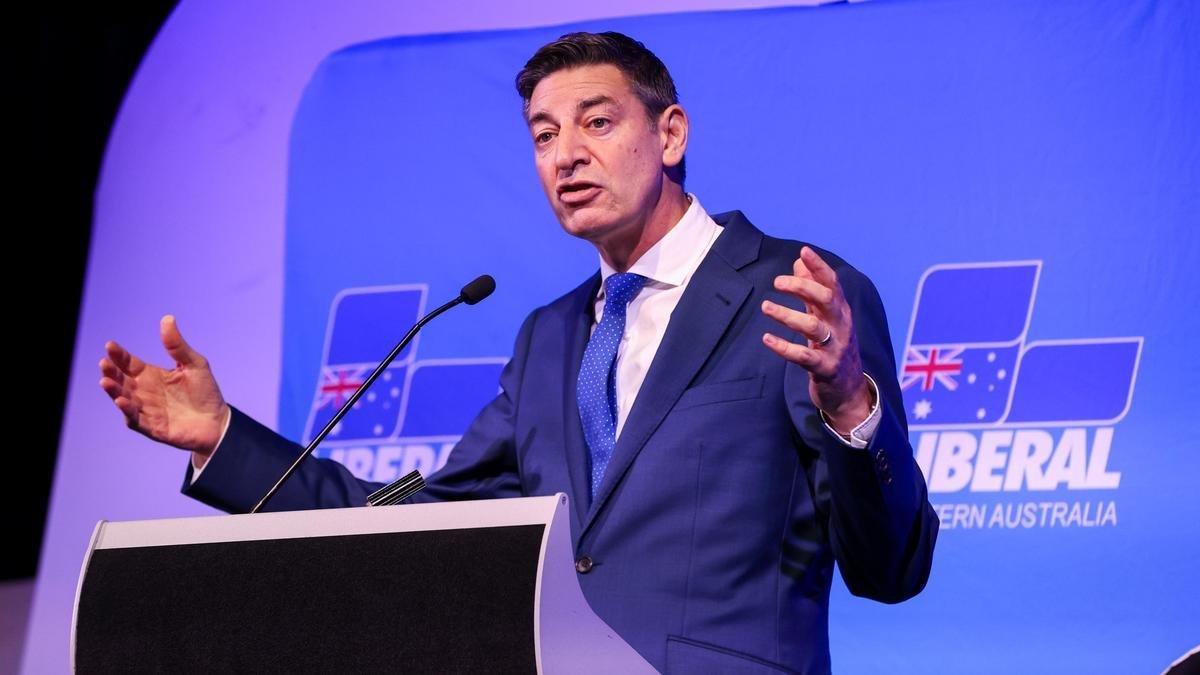
Western Australia’s Opposition Leader Basil Zempilas has issued a stark warning to the Liberal Party: win back the “lost Australians” or face electoral oblivion. Zempilas made the plea at the first-ever Conservative Political Action Conference (CPAC) in Perth, a spin-off of the US right-wing group that has served as a regular platform for Donald Trump.
Zempilas told the conference that the Liberal Party must stop hemorrhaging voters and re-emerge as a political force to win back the “lost Australians”. “If you lose the people who work hard and do the right thing and just want a fair shot, then you don’t just lose elections, you lose the very purpose of our movement,” he said.
The Liberal Party has been in opposition in Western Australia since 2017, and the federal Liberals hold just four lower house seats in the state. Zempilas believes the party must focus on winning back aspirational voters, families, and those in the outer suburbs who have lost faith in institutions and are losing hope.
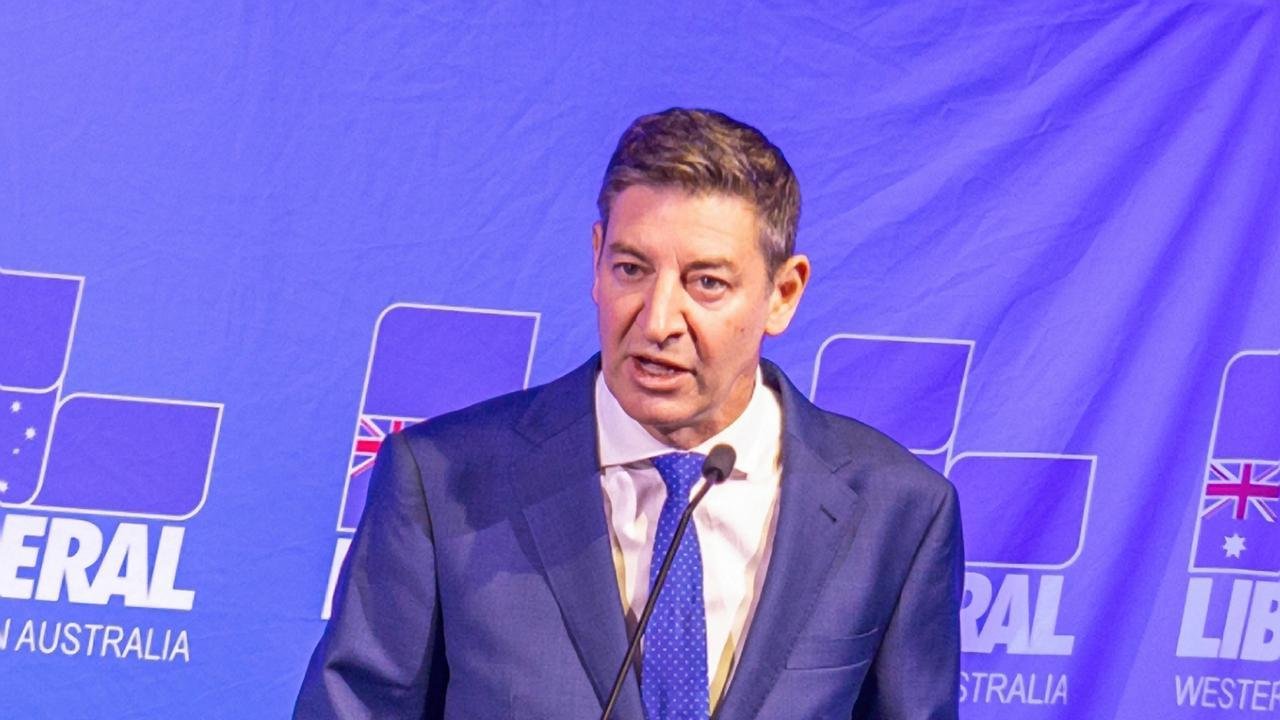
The key to giving back that hope, dignity, and a stake in the community, according to Zempilas, is making home ownership affordable once more. The Liberal agenda would ensure government stopped being a barrier to home ownership, provided the infrastructure for growth in housing, and freed up land where it was needed. “Let’s make home ownership normal again,” he told the audience.
Liberal frontbencher Andrew Hastie also addressed the conference, contending that the Liberal party had strayed too far to the centre left, while people were angry about cost-of-living and population pressures. “The system is not working for Australians, and they are blaming the ‘uni-party’, and yes that’s the Liberals and Labor,” he said. “That’s why One Nation, the teals, and Greens have risen to prominence. They have acknowledged the system is broken, that it no longer supports the aspirations of mainstream Australians.”
Analysis: What This Means for Australia
The Liberal Party’s struggle to reconnect with “lost Australians” has significant implications for national security, law enforcement, and community cohesion. If the party fails to win back these voters, it risks further fragmentation and polarisation of the Australian electorate, creating an environment ripe for extremist ideologies to flourish. Moreover, the rise of fringe parties and independents could lead to a destabilisation of the two-party system, making it harder to pass legislation and implement effective policies.
Security analysts say that the Liberal Party’s inability to address the concerns of aspirational voters has created a power vacuum that extremist groups are eager to fill. “The longer the Liberal Party fails to reconnect with these voters, the more susceptible they become to radicalisation and extremist ideologies,” said one expert.
Law enforcement insiders warn that the Liberal Party’s failure to address cost-of-living pressures and population growth has led to a rise in community tensions, fuelling the growth of fringe parties and independents. “The Liberal Party’s inability to provide effective solutions to these issues has created an environment of frustration and disillusionment, which can be exploited by extremist groups,” said one source.
Industry observers believe that the Liberal Party’s struggle to win back “lost Australians” has significant economic consequences, including a potential decline in consumer confidence and a rise in unemployment. “If the Liberal Party fails to address the concerns of aspirational voters, it could lead to a decline in economic growth and a rise in unemployment, which would have far-reaching consequences for the entire country,” said one expert.