
Easter Chocolate Price Shock: How Soaring Cocoa Costs and Global Shortages Are Leaving a Bitter Taste for Australian Families
- Australian families are facing a bitter Easter as chocolate prices skyrocket due to global cocoa shortages and soaring production costs.
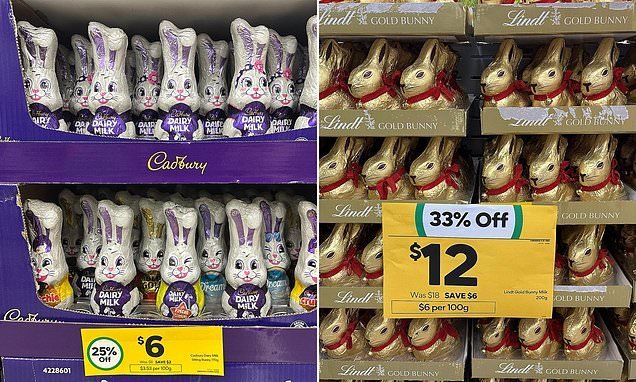
- The price of a 200g Lindt Easter bunny has risen by 43% in two years, with some retailers charging as much as $20.
- The cost of cocoa, the key ingredient in chocolate, has surged by over 180% in two years, driven by severe weather, crop diseases, and supply disruptions in West Africa.
For many Australian families, Easter is a time for celebration and tradition, but this year’s soaring chocolate prices are leaving a bitter taste. The cost of Easter treats, once a symbol of joy and indulgence, has skyrocketed, making them feel like luxury items. Retailers blame soaring cocoa costs and global supply shortages, but for consumers, it’s a harsh reality check.
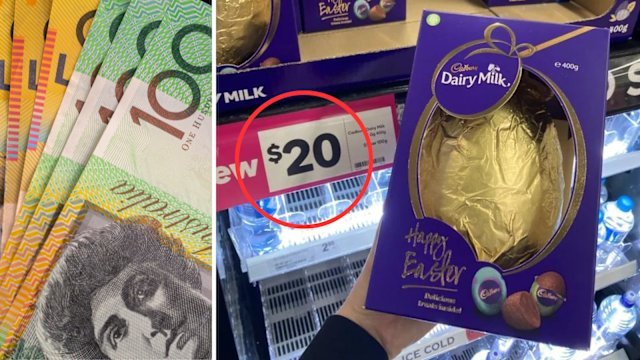
The numbers are stark. A 200g Lindt Easter bunny, once priced at around $14, now costs around $20. That’s a 43% increase in just two years. Smaller 100g bunnies have seen an even sharper rise, with prices climbing from around $8 to $12, a 50% increase. It’s a trend that’s leaving many shoppers feeling frustrated and disappointed.
But it’s not just retailers marking up prices. The cost of cocoa, the key ingredient in chocolate, has surged by over 180% in two years, driven by severe weather, crop diseases, and supply disruptions in West Africa, where most of the world’s cocoa is produced. The price of cocoa went from $US2000 per ton to $US12,000 at its peak, dramatically increasing production costs across the chocolate industry.
“Cocoa prices surged due to a combination of severe weather, crop diseases and supply disruptions in West Africa, which produces about 50 per cent of the world’s cocoa,” said QUT consumer behaviour and retail marketing professor Gary Mortimer. “The price of cocoa went from $US2000 per ton, to $US12,000 from 2024 to last year.”
While cocoa prices have since eased to around $US4,000 to $US5,000 per ton, they remain well above long-term averages. And even though prices are now falling, Australians shouldn’t expect cheaper chocolate immediately. That’s because part of the price pressure comes from a “lag effect”, as chocolate currently on shelves reflects cocoa purchased at peak prices. Retailers need to sell this stock before passing on any savings.
Analysis: What This Means for Australia
The impact of soaring chocolate prices goes beyond just Easter treats. It’s a symptom of a broader issue with global supply chains and the rising cost of living in Australia. As the cost of cocoa and other ingredients continues to rise, it’s likely to have a flow-on effect on the entire food industry. For Australian families, it means tightening their belts and making tough choices about what they can afford.
Security analysts say the global supply chain disruptions and price volatility are a wake-up call for Australia’s food security. “We need to think about diversifying our food sources and reducing our reliance on imported ingredients,” said one expert. “It’s not just about chocolate, it’s about the entire food system.”
Law enforcement insiders warn that the illegal cocoa trade is also on the rise, with criminal organisations taking advantage of the high prices to smuggle cocoa into Australia. “It’s a lucrative business, and we’re seeing more and more cases of cocoa being illegally imported into the country,” said one source.
Industry observers believe the chocolate industry needs to take a hard look at its supply chains and sourcing practices. “It’s time for chocolate makers to think about sustainability and transparency,” said one expert. “We need to know where our cocoa is coming from and how it’s being produced.”
As Australians face a more expensive Easter, one thing is clear: the days of cheap chocolate are behind us. But by understanding the complex factors driving up prices, we can start to make changes to ensure a more sustainable and secure food future.