
Fuel Crisis: Australia Teeters on Brink of Chaos as Petrol Prices Soar and Supplies Run Dangerously Low
- Fuel shortages reported in regional communities, sparking fears of widespread panic buying
- Government and opposition engage in fiery blame game over climate policies and fuel security
- Petrol prices surge, with experts warning of potential $3 a litre prices and 0.15 per cent inflation hike
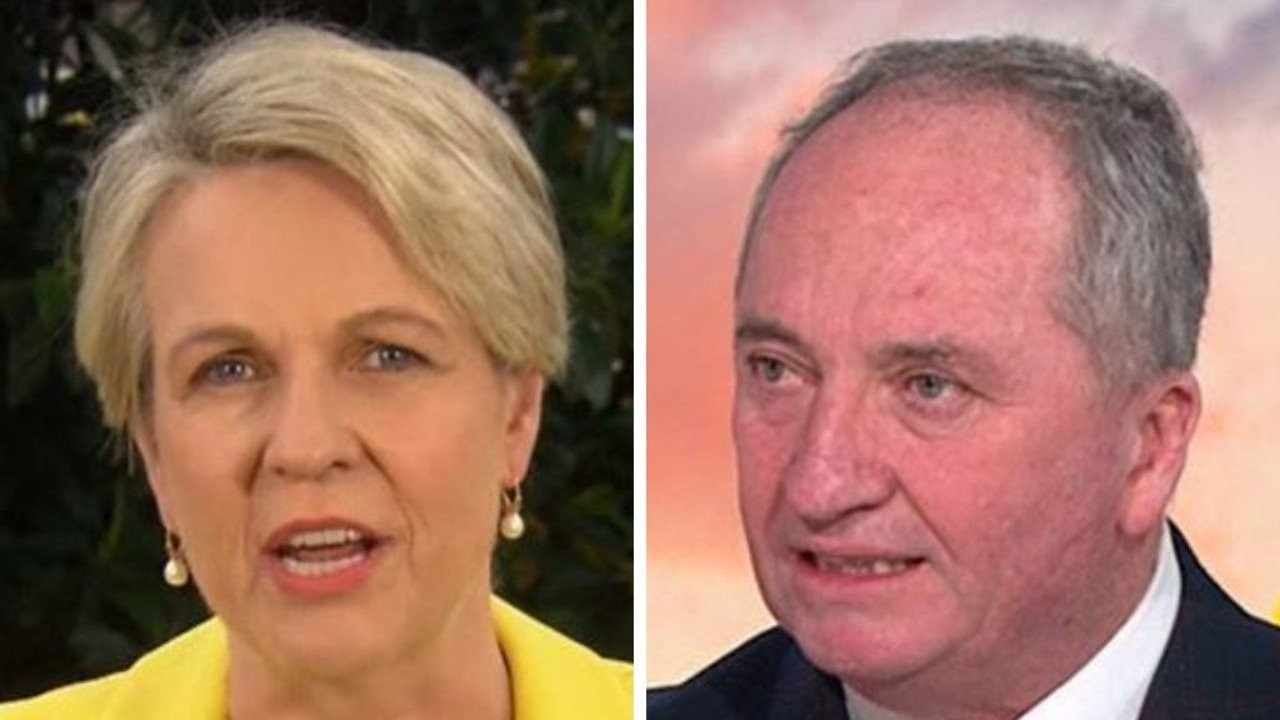
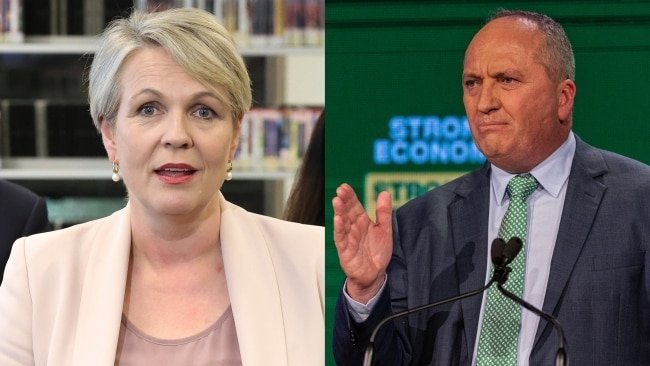
Australia is on high alert as fuel shortages spread across regional communities, sparking a heated debate over the nation’s fuel security and climate policies. Social Services Minister Tanya Plibersek and Senator Barnaby Joyce clashed on Sunrise, exchanging blows over who is to blame for the crisis.
The shortages have already led to long queues at petrol stations, with motorists bracing for further price hikes as the Middle East conflict disrupts global energy supplies. Plibersek urged Australians not to panic buy, insisting the country still has strong fuel reserves, but Joyce argued that government climate policies had left Australia vulnerable to shortages.
The debate has sparked concerns over Australia’s fuel security, with the country’s refineries struggling to keep up with demand. Plibersek pointed to efforts to strengthen Australia’s fuel security, including bringing emergency fuel reserves back onto Australian soil and keeping the country’s last remaining refineries operating. However, Joyce claimed that climate policies had discouraged investment in domestic refining capacity, leading to the current crisis.
The fuel shortage has also sparked fears of economic consequences, with Treasury predicting a 0.15 per cent inflation hike and petrol prices potentially surging to $3 a litre. Westpac economists have warned that the crisis could add pressure to households already grappling with the rising cost of living.
Security analysts say the fuel shortage highlights Australia’s vulnerability to global energy disruptions and the need for a more robust fuel security strategy. “The current crisis is a wake-up call for Australia to rethink its fuel security and diversify its energy sources,” said one expert.
Analysis: What This Means for Australia
The fuel crisis has far-reaching implications for Australia’s national security, economy, and communities. The shortage highlights the need for a more comprehensive fuel security strategy, one that addresses the country’s reliance on imported fuel and encourages investment in domestic refining capacity. The government must also consider the impact of climate policies on the energy sector and find a balance between reducing emissions and ensuring energy security.
Law enforcement insiders warn that the fuel shortage could lead to increased crime, as desperate motorists turn to illegal means to obtain fuel. “We’re already seeing reports of fuel theft and illegal fuel sales. If the shortage continues, we can expect to see more criminal activity,” said one source.
Industry observers believe the crisis could also have a significant impact on Australia’s economy, particularly in rural areas where fuel is essential for daily life. “The fuel shortage could lead to widespread economic disruption, particularly in regional communities. It’s essential that the government takes swift action to address the crisis and ensure a steady supply of fuel,” said one expert.