
Fuel Crisis Hits Australia: Panic Buying Warning as War in Middle East Sparks Fears of Food Shortages and Economic Chaos
- Australians warned not to panic buy food and fuel as war in Middle East intensifies
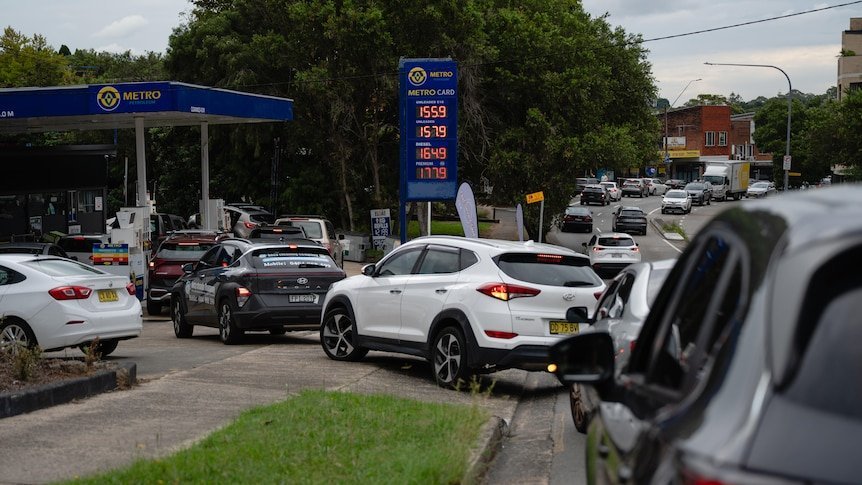
- Fuel prices surge across major cities, sparking fears of food shortages and economic instability
- Government assures consumers of adequate fuel stocks, but experts warn of vulnerabilities in supply chain
The war in the Middle East has entered its 10th day, and Australia is already feeling the pinch. The closure of the Strait of Hormuz, one of the world’s busiest sea transit routes, has led to a surge in fuel prices across the country. Transport Minister Catherine King has urged Australians not to panic buy food and fuel, but experts warn that the country’s fuel security is under threat.
The conflict has sparked fears of food shortages, with many farmers struggling to access the fuel they need to produce and transport their goods. Nationals Leader David Littleproud has warned that small wholesalers and farmers are being constrained by the big four oil companies, which are prioritizing their retail outlets over supplying fuel to the agriculture industry. “This is literally meaning that our farmers who are producing our food and fibre have literally got only what’s left in the tanks of their tractors and nothing in storage to be able to run it for any great length of time,” he said.
The Albanese government has sought to reassure consumers that fuel stocks are adequate and above minimum mandatory levels, but critics argue that the country’s fuel security is vulnerable to disruptions in the supply chain. Treasurer Jim Chalmers has written to the ACCC over reports of price gouging on fuel, and opposition spokesmen Dan Tehan and Andrew Hastie have raised alarm bells over Australia’s fuel reserves. “Australia is at risk of going back to 1940 when rationing was introduced to manage shortages caused by World War II under Labor,” they said in a statement.
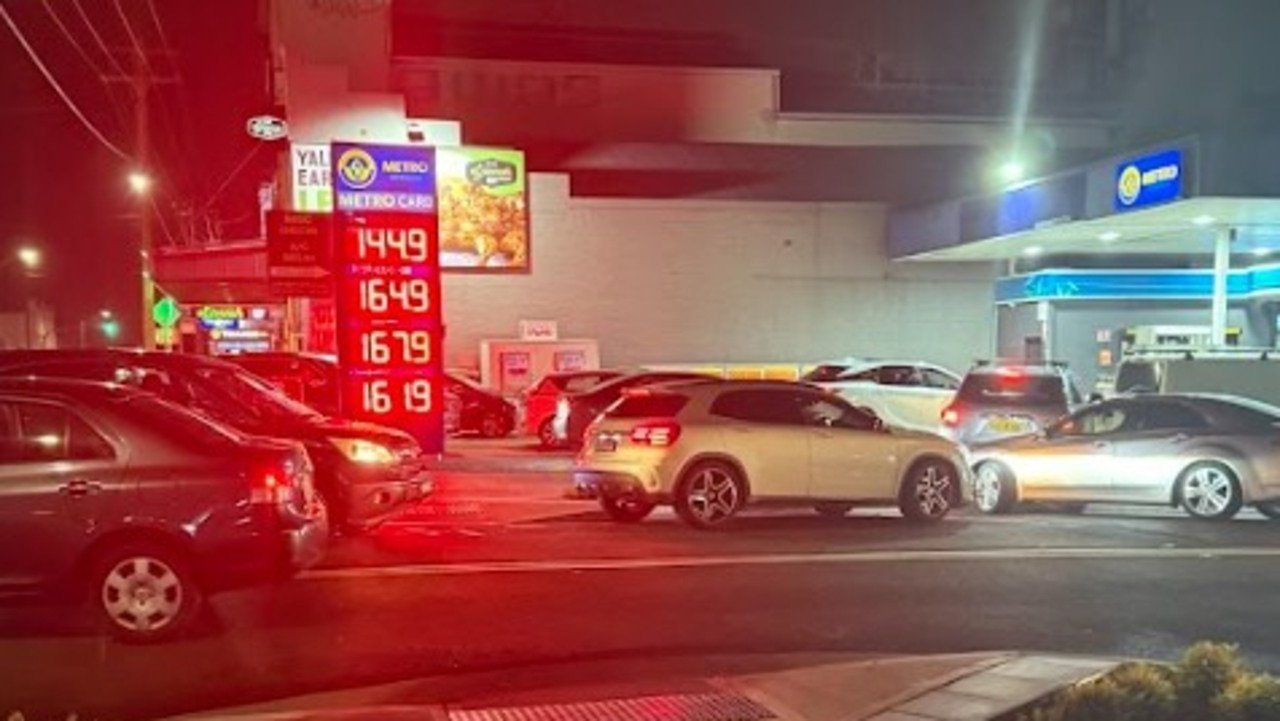
The situation is critical, with Australia’s economy heavily reliant on diesel fuel. “Without fuel, trucks carrying our food, pharmaceuticals, and supplies stop, making us vulnerable,” said Tehan and Hastie. The government has been urged to take action to address the supply gaps and ensure that farmers, manufacturers, and the transport industry have access to the fuel they need.
Analysis: What This Means for Australia
The fuel crisis has significant implications for Australia’s national security, economy, and public safety. Security analysts warn that a prolonged shortage of fuel could lead to widespread disruptions to critical infrastructure, including hospitals, emergency services, and transportation networks. Law enforcement insiders warn that the shortage could also lead to an increase in fuel theft and other criminal activity.
Industry observers believe that the government’s response to the crisis will be critical in mitigating its impact. “The government needs to take a proactive approach to addressing the supply gaps and ensuring that fuel is distributed fairly and efficiently,” said one expert. “This includes working with the oil companies to increase production, investing in alternative energy sources, and providing support to farmers and small businesses who are struggling to access fuel.”
As the situation continues to unfold, one thing is clear: Australia is facing a critical moment in its history. The fuel crisis has the potential to wreak havoc on the economy, public safety, and national security. It is imperative that the government takes swift and decisive action to address the crisis and ensure that Australia’s fuel security is protected.