
Global Market Mayhem: Australia’s Share Market Plunges as War in the Middle East Sends Oil Prices Soaring
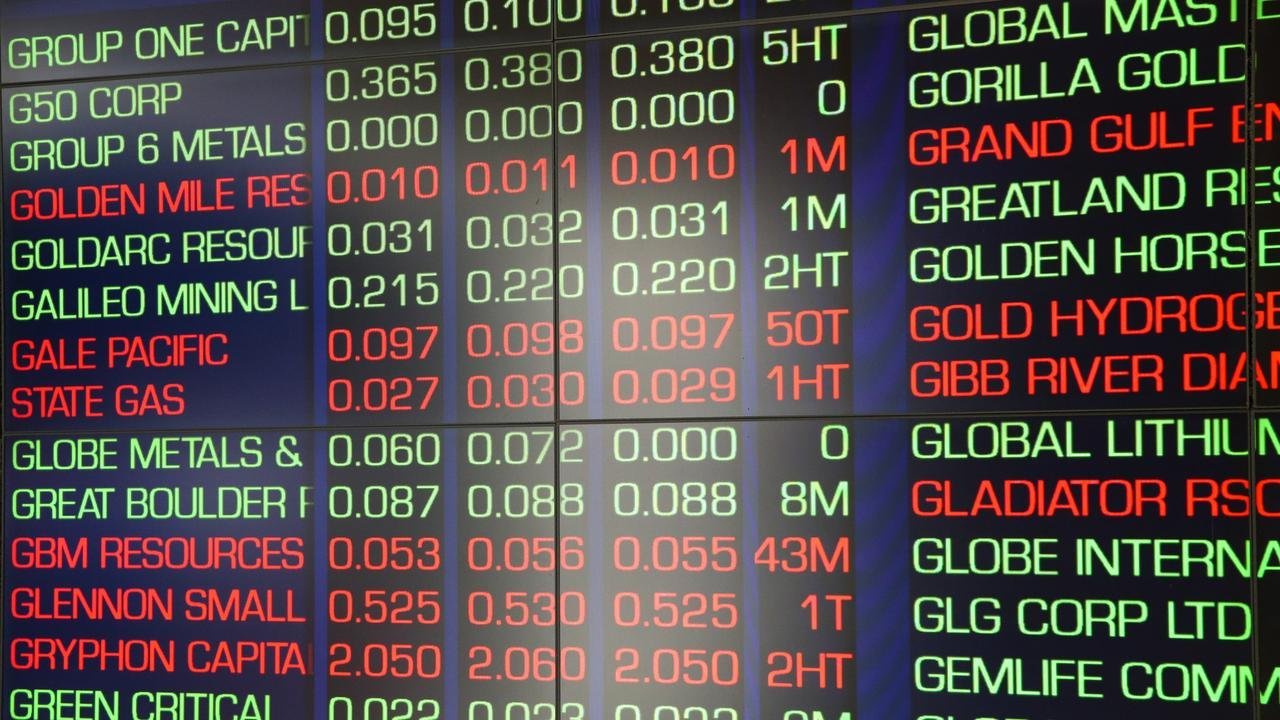
- Australia’s share market has suffered its worst day in years, with the ASX200 plummeting 4.06% to its lowest level since late November.
- The global sell-off has wiped out nearly $130 billion in value from the ASX200’s market capitalisation, sparking fears of a prolonged economic downturn.
- Experts warn that the surge in oil prices could cut global economic growth by 0.6% and raise consumer prices by 1% in the first half of the year.
- The crisis has already sent shockwaves through the economy, with the Aussie dollar dropping to a one-month low and petrol prices set to skyrocket.
The Australian share market has been caught in the crossfire of a global sell-off, with the ASX200 plummeting 4.06% to its lowest level since late November. The benchmark index has fallen 359.1 points to 8,491.8, while the broader All Ordinaries has dropped 371.1 points to 8,714.0. The carnage has wiped out nearly $130 billion in value from the ASX200’s market capitalisation, sparking fears of a prolonged economic downturn.
The global sell-off has been triggered by the escalating conflict in the Middle East, which has sent oil prices soaring. Brent crude has jumped 17% to $US108.73 a barrel, while US crude has risen 19% to $US108.33 a barrel. The surge has economists warning of ripple effects across the global economy, with JPMorgan chief economist Bruce Kasman predicting that oil prices could settle at an elevated $US80 a barrel through mid-year, cutting global economic growth by 0.6% and raising consumer prices by 1% in the first half of the year.
The crisis has already sent shockwaves through the economy, with the Aussie dollar dropping to a one-month low of 69.61 US cents, down from 70.32 US cents on Friday afternoon. Petrol prices are also set to skyrocket, with experts warning of a prolonged period of high energy prices. The surge in oil prices has already pushed up transport and everyday living costs, and is likely to hit superannuation balances and other investments.

In the midst of the chaos, US President Donald Trump has dismissed concerns over rising oil prices, saying the spike is “a minor cost for global safety and peace”. However, experts warn that the crisis is far from over, and that a broader, sustained conflict could send oil above $US120 a barrel and risk a global recession.
Analysis: What This Means for Australia
The crisis has significant implications for Australia’s national security, law enforcement, and economic stability. The surge in oil prices is likely to push up inflation, reduce consumer spending, and hit economic growth. The crisis also highlights Australia’s dependence on Middle Eastern oil, and the need for greater energy security and diversification. Security analysts warn that the conflict could also have implications for regional stability, and that Australia must be prepared to respond to any escalation.
Law enforcement insiders warn that the crisis could also lead to an increase in criminal activity, as opportunistic criminals seek to exploit the chaos. The surge in oil prices could also lead to a rise in fuel theft and other oil-related crimes. Industry observers believe that the crisis highlights the need for greater investment in cyber security, as the energy sector becomes an increasingly attractive target for cyber criminals.
As the crisis continues to unfold, one thing is clear: Australia must be prepared to respond to the challenges and opportunities that arise. The surge in oil prices is a wake-up call for the nation, and a reminder of the need for greater energy security, economic diversification, and regional cooperation.