‘Catastrophic’ Flooding Hits Remote Indigenous Communities, Crocodiles Roam Streets as Northern Territory Battles Record-Breaking Deluge
- Floodwaters threaten to surpass 1998 record levels in Daly River, with authorities warning of a “prolonged flood event” that could last weeks
- Residents of Daly River and other affected communities forced to evacuate, with over 800 people seeking shelter in centres across Katherine, Mataranka, and Darwin
- Crocodiles spotted in floodwaters, posing a deadly threat to those who venture out, as authorities urge residents to “forget it” if it’s flooded
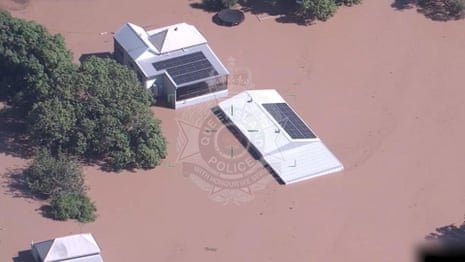
The Northern Territory is reeling from catastrophic flooding that has left remote Indigenous communities battered and bruised. The Daly River, which sits just 220 kilometres southwest of Darwin, is on the brink of surpassing its 1998 record flood level, with authorities warning of a “prolonged flood event” that could last weeks.
The Bureau of Meteorology has forecast further rain across the Top End, exacerbating the already dire situation. The Daly River Police Station gauge has recorded a flood level of 16.23 metres, just centimetres shy of the 1998 record of 16.25m. The BOM’s James Ashley warned that there’s every chance the flooding could reach and even exceed the 1998 level by a few centimetres.
The situation is dire, with residents of Daly River, also known as Nauiyu, forced to evacuate their community on Saturday and seek shelter at Foskey Pavilion at the Darwin Showgrounds. This is the second time this year the community has been hit by major flooding, with residents previously displaced when water levels peaked at 14.2m.
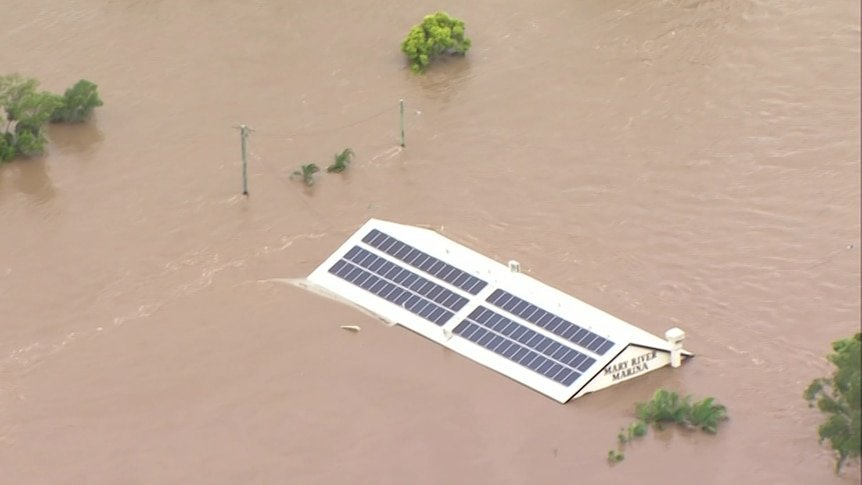
The flood threat in Katherine has subsided, but not before leaving a trail of destruction in its wake. About half of all homes in the town and the nearby community of Beswick have been assessed, with 25 declared “severely damaged”. Crocodiles have been spotted in floodwaters across the Top End, with NT Police incident controller Shaun Gill warning that the reptiles are “absolutely everywhere”.
Analysis: What This Means for Australia

The scale of the disaster is staggering, with the Northern Territory’s emergency services stretched to the limit. The flooding has not only displaced hundreds of people but also poses a significant threat to public safety. The presence of crocodiles in floodwaters adds an extra layer of danger, highlighting the need for authorities to take swift action to mitigate the risks.
Security analysts say the flooding has exposed the vulnerability of remote Indigenous communities, which are often ill-equipped to deal with natural disasters of this magnitude. The incident has also raised questions about the preparedness of emergency services to respond to such events, particularly in regions with limited infrastructure.
Law enforcement insiders warn that the flooding has created an environment conducive to criminal activity, with looting and property damage a major concern. The presence of crocodiles in floodwaters also raises the spectre of attacks on humans, adding an extra layer of complexity to the response efforts.
Industry observers believe the flooding will have significant economic and social consequences for the Northern Territory, with the tourism industry likely to be hardest hit. The disaster has already disrupted the region’s infrastructure, with roads and bridges closed, and the full extent of the damage yet to be assessed.
As the Northern Territory grapples with the aftermath of this disaster, one thing is clear: the impact of this flooding will be felt for a long time to come. The region’s residents, many of whom are Indigenous Australians, will need ongoing support and assistance to recover from this devastating event.