Fuel Crisis: Australia Dips into Emergency Reserves as Middle East Conflict Wreaks Havoc on Global Supply
- Australia’s fuel reserves to be tapped for the first time since 2022 as conflict in the Middle East disrupts global supply chains
- About six days’ worth of petrol and five days’ worth of diesel to be released to ease supply pressures
- Energy Minister Chris Bowen prioritizes regional areas, but Opposition Leader Angus Taylor slams government’s response as “asleep at the wheel”
- Australia’s fuel security under scrutiny as prices surge and supply crunches hit regional communities
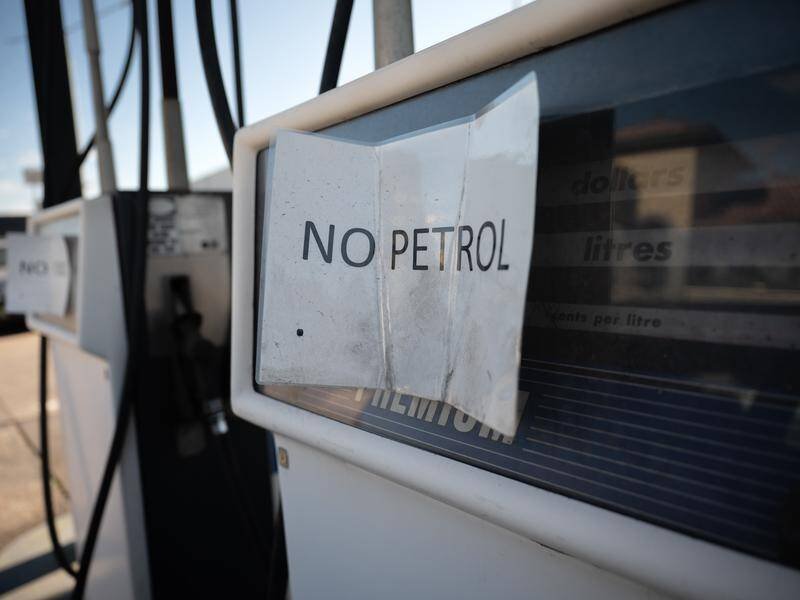
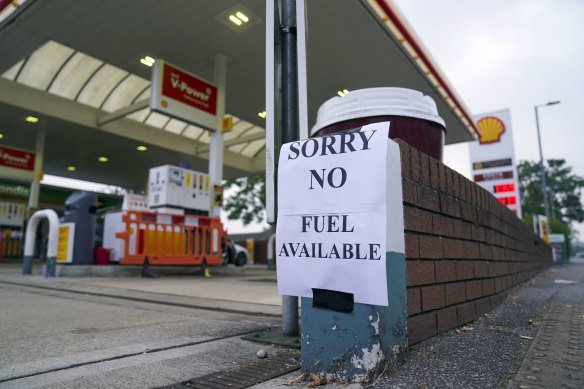
The Australian government has been forced to tap into the nation’s fuel reserves for the first time since 2022, as the conflict in the Middle East continues to wreak havoc on global supply chains. The move comes as fuel prices surge and supply crunches hit regional communities, sparking fears of a national fuel crisis.
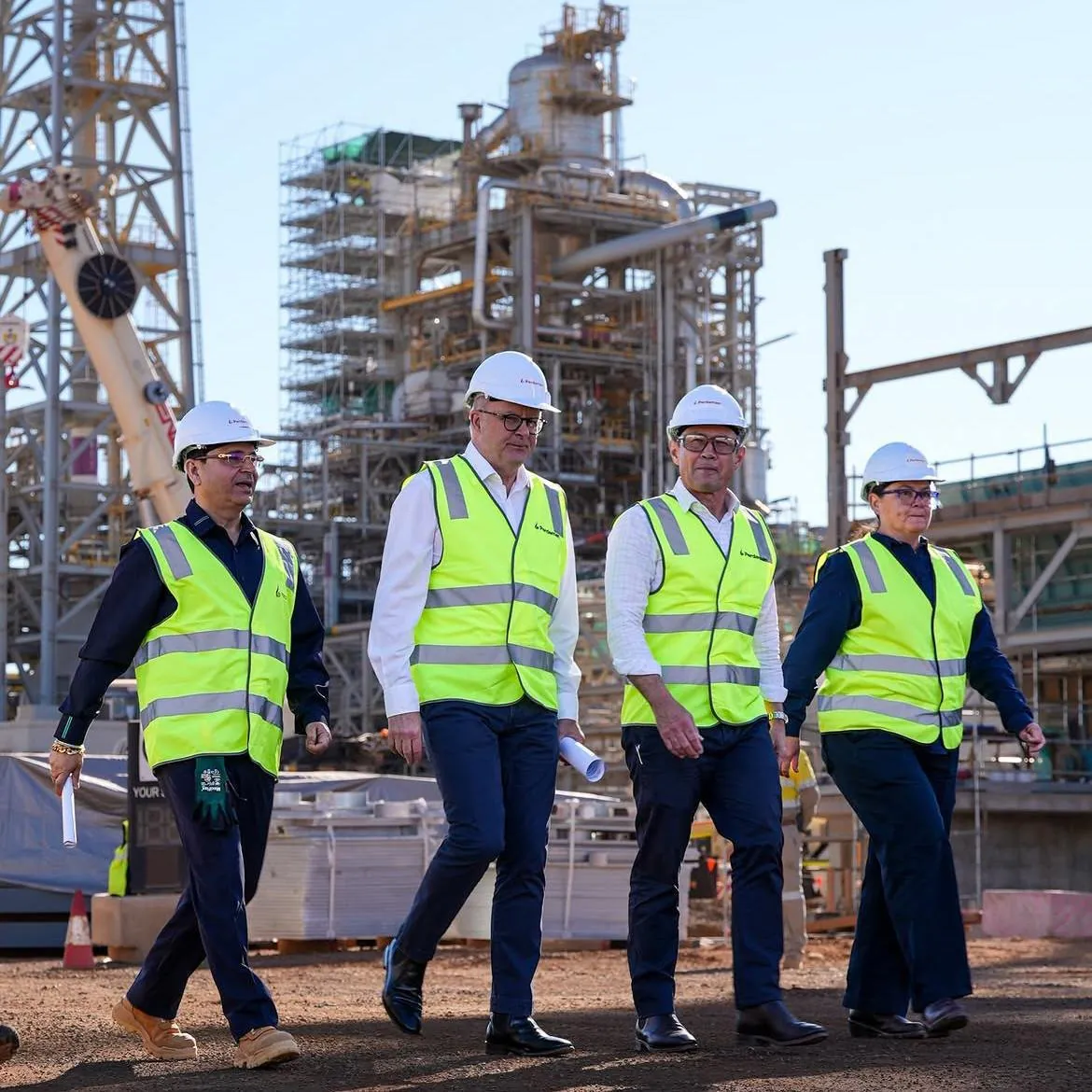
The decision to release about six days’ worth of petrol and five days’ worth of diesel from the emergency stockpile is a desperate attempt to ease supply pressures and prevent a complete collapse of the fuel system. Energy Minister Chris Bowen has prioritized regional areas, insisting that fuel suppliers must give undertakings to prioritize these communities before accessing the reserves.
But the move has been met with criticism from the Opposition, with Leader Angus Taylor accusing the government of being “asleep at the wheel” and denying the existence of a fuel crisis. Mr. Taylor claims that he has received widespread reports of fuel shortages from constituents, including farmers and truckers, and has slammed the government’s response as inadequate.
Australia’s fuel security has been under scrutiny for months, with the country’s exposure to global supply chains leaving it vulnerable to disruptions. As one of the world’s largest energy exporters, Australia is heavily reliant on imported oil, making it susceptible to price shocks and supply crunches.
The current crisis has been exacerbated by the conflict in the Middle East, which has choked off about a fifth of the world’s oil supply. The International Energy Agency has responded by releasing 400 million barrels of oil into the market, but the move has done little to ease prices or alleviate supply concerns.


In Australia, the situation is particularly dire, with regional communities bearing the brunt of the fuel shortages. Farmers, truckers, and other essential services have been forced to queue for hours or travel long distances to access fuel, sparking fears of widespread disruptions to the economy.
Mr. Bowen has insisted that fuel supply is secure, but his claims have been met with skepticism by many in the industry. The government’s decision to relax fuel quality rules and bring on an additional 100 million liters of petrol a month for the next two months has done little to ease concerns, with many arguing that the measures are too little, too late.
Analysis: What This Means for Australia
The fuel crisis has significant implications for Australia’s national security, economy, and social fabric. The country’s reliance on imported oil makes it vulnerable to supply disruptions, which can have far-reaching consequences for the economy and national security. The current crisis has already led to widespread shortages and price shocks, which are likely to worsen unless the government takes decisive action to address the root causes of the problem.
Security analysts warn that the crisis has the potential to destabilize regional communities, which are already struggling to cope with the impacts of drought, bushfires, and other natural disasters. The shortage of fuel has also raised concerns about the ability of emergency services to respond to natural disasters and other crises.
Industry observers believe that the government’s response to the crisis has been inadequate, with too much focus on short-term fixes rather than long-term solutions. The decision to tap into the fuel reserves is seen as a Band-Aid solution that does little to address the underlying issues driving the crisis.
As the crisis deepens, Australians are bracing for the worst. With fuel prices set to surge and supply crunches likely to worsen, the government is under pressure to take decisive action to address the crisis and ensure the nation’s fuel security.