Bindi Irwin’s Agonizing 10-Year Battle: ‘Invisible Disease’ Left Her Trapped in Her Own Body
- Australian wildlife warrior Bindi Irwin reveals her decade-long struggle with undiagnosed endometriosis, dismissed by doctors as “part of being a woman”
- The 33-year-old had over 50 endometriosis lesions surgically removed in three years, and underwent an emergency appendectomy and hernia repair
- Irwin’s courageous story sparks a call to action, urging support and awareness for the millions of women suffering in silence
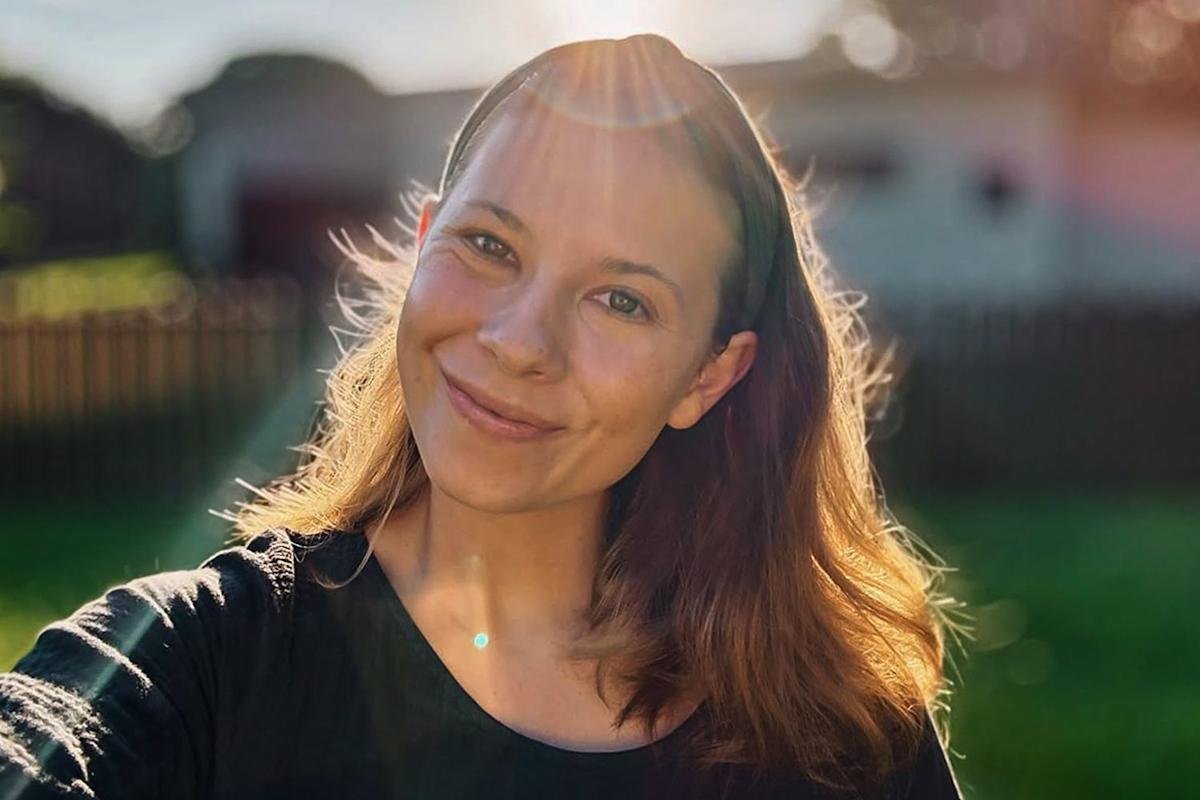
Bindi Irwin, the beloved Australian wildlife warrior and daughter of the late Steve Irwin, has bravely shared her agonizing 10-year battle with endometriosis, a debilitating health condition that left her feeling trapped in her own body.
For years, doctors dismissed her excruciating pain as “part of being a woman,” leaving Irwin feeling “weak and deeply insecure.”
In a heart-wrenching online post, Irwin revealed that she had been living with undiagnosed endometriosis for a decade, until she was finally diagnosed in 2023.
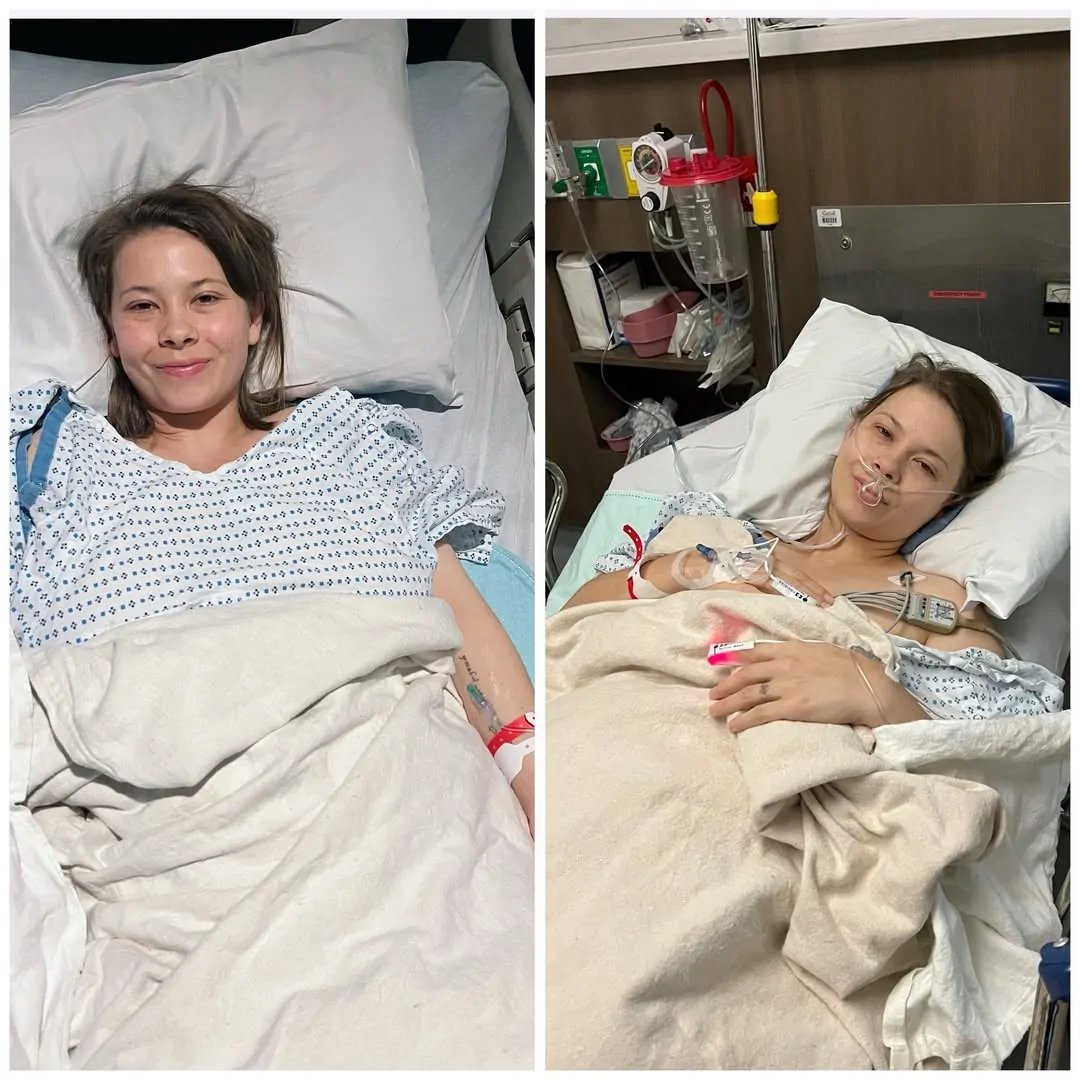
The diagnosis led to the surgical removal of over 50 endometriosis lesions, as well as a chocolate cyst, a type of fluid-filled sac, adhering to an ovary.
The Australia Zoo CEO also underwent an emergency appendectomy in the US and a hernia repair within the same timeframe.

Irwin’s journey is a stark reminder of the importance of awareness and support for women’s health. Her courageous story highlights the devastating impact of endometriosis, an “invisible disease” that affects millions of women worldwide.
The condition, characterized by the growth of tissue similar to the lining of the uterus outside the uterus, can cause chronic pain, heavy bleeding, and infertility.
Analysis: What This Means for Australia
The lack of awareness and understanding surrounding endometriosis has significant implications for Australian women’s health. According to experts, endometriosis affects one in ten women, with many more remaining undiagnosed.
This means that thousands of Australian women are suffering in silence, often dismissed by medical professionals or forced to navigate a complex healthcare system to receive a diagnosis.
Irwin’s story serves as a powerful call to action, urging Australians to raise awareness and support for women’s health.
It is crucial that we listen to the voices of women like Bindi, who have been forced to navigate the dark and isolating world of endometriosis.
By doing so, we can work towards creating a healthcare system that prioritizes women’s health and provides the necessary support and resources for those affected.
Security analysts say that the lack of awareness surrounding endometriosis has significant implications for national health security.
By ignoring the plight of women like Bindi, we risk perpetuating a culture of silence and neglect, which can have devastating consequences for women’s health and wellbeing.
Industry observers believe that Irwin’s courageous story will spark a much-needed conversation about women’s health in Australia. By sharing her journey, Irwin has given a voice to the millions of women suffering in silence, and has highlighted the urgent need for change.