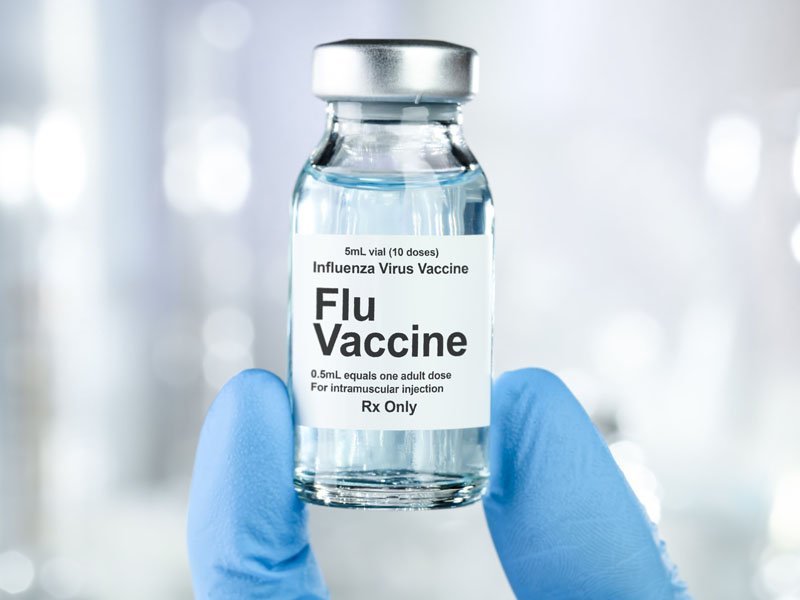
Australia’s Flu Fight Gets a Boost: Needle-Free Nasal Spray Vaccination Now Available for Kids
- Aussie kids can now ditch the needle and opt for a nasal spray vaccination against the flu, as health experts warn of a surge in cases driven by the highly contagious Super-K strain.
- More than 25,000 influenza cases have been recorded, with vaccination rates among young children on the decline, sparking concerns about transmission and public health.
- The nasal spray vaccination, known as FluMist, has been widely used overseas and has “extensive evidence” to support its effectiveness, according to Queensland’s chief health officer.
- Health authorities hope the introduction of FluMist will help boost vaccination rates and reduce transmission, particularly among young children who are most vulnerable to the flu.
Australia is in the grip of a flu crisis, with a surge in cases driven by the highly contagious Super-K strain.
But for the first time, Aussie kids can now opt for a needle-free nasal spray vaccination against the flu, in a move that could help boost vaccination rates and reduce transmission.
According to Queensland’s chief health officer, Dr Marianne Gale, FluMist has been widely used overseas and has “extensive evidence” to support its effectiveness.
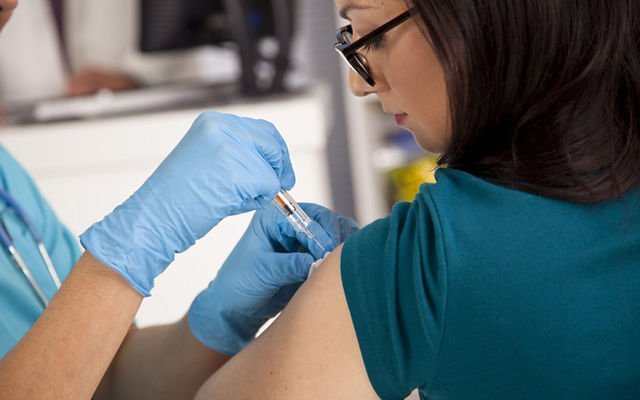
The nasal spray vaccination uses a weakened form of the influenza virus to stimulate an immune response and has been used safely and effectively in millions of children worldwide.
But despite its proven track record, FluMist is not yet widely available across Australia.




As of early April, it is available for free in four states – Queensland, South Australia, New South Wales, and Western Australia – but only for specific age ranges.
Those in the ACT, Victoria, Tasmania, and Northern Territory can only access it on the private market.
Health authorities are hoping that the introduction of FluMist will help boost vaccination rates, particularly among young children who are most vulnerable to the flu.
According to the National Centre for Immunisation Research and Surveillance Australia, influenza vaccination rates for children aged six months to five years have been on the decline, from 44 per cent in 2020 to just 25 per cent in 2025.
The decline in vaccination rates is a major concern for health experts, who warn that it could lead to increased transmission and a greater risk of serious illness and even death.
“The nasal spray vaccine has been used for decades in the northern hemisphere, very widely and in millions of children, and it has been used safely and demonstrated equivalent effectiveness,” Dr Gale said.
But what does this mean for Australia?
Analysis: What This Means for Australia The introduction of FluMist is a significant development in the fight against the flu, particularly for young children who are most vulnerable to the virus.
By providing a needle-free alternative to traditional vaccinations, health authorities hope to boost vaccination rates and reduce transmission.
Security analysts say that the flu crisis highlights the need for a more comprehensive approach to public health, including increased investment in vaccination programs and education campaigns.
“The flu is a major public health concern, and we need to take a proactive approach to preventing its spread,” said one analyst.
Law enforcement insiders warn that the flu crisis also has implications for national security, particularly in terms of the impact on critical infrastructure and essential services.
“The flu can have a significant impact on our ability to respond to emergencies and maintain critical services,” said one insider.
Industry observers believe that the introduction of FluMist is a major step forward in the fight against the flu, but more needs to be done to address the underlying issues driving the crisis.
“We need to address the root causes of the flu crisis, including poor vaccination rates and inadequate public health infrastructure,” said one observer.
As the flu crisis continues to unfold, one thing is clear: the introduction of FluMist is a significant development in the fight against the flu.
But more needs to be done to address the underlying issues driving the crisis and to ensure that all Australians have access to effective and safe vaccination options.
flu vaccination public health Australian Bureau of Statistics