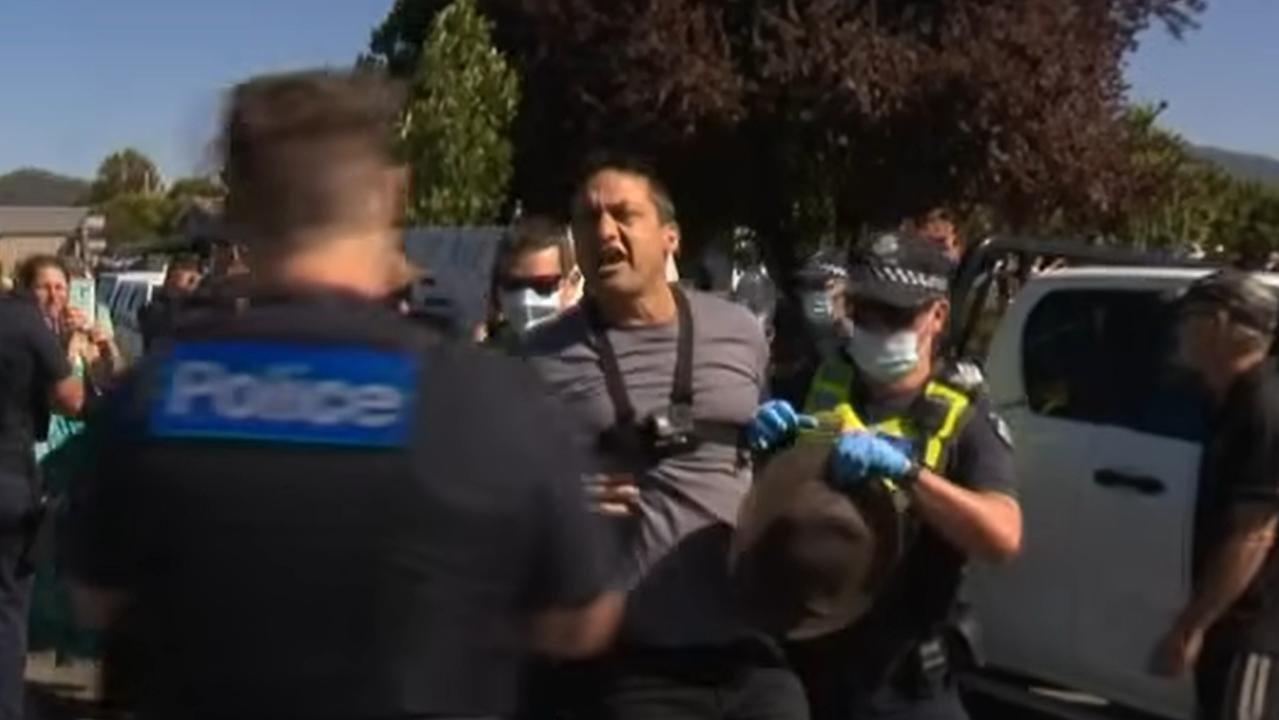
Australia’s Dark Underbelly: The Rise of Anti-Government Extremism and the Tragic Consequences
- Australia is facing a growing threat from anti-government extremists, with the sovereign citizen movement gaining traction in recent years.
- The movement’s ideology is built on a fundamental belief that the government is illegitimate and its laws don’t need to be followed.
- Experts warn that the movement’s online presence and transnational connections are allowing fringe beliefs to spread rapidly and gain a sense of legitimacy.
- The death of fugitive Dezi Freeman, who killed two police officers and injured a third, has thrown a spotlight on the movement’s violent tendencies and the need for urgent action.
The death of Dezi Freeman, a fugitive who had been on the run for over seven months, has sent shockwaves across Australia.
Freeman’s violent confrontation with police, which resulted in the deaths of two officers and the injury of a third, has highlighted the growing threat of anti-government extremism in the country.
The sovereign citizen movement, which Freeman had openly aligned himself with, is a loose network of individuals who reject the legitimacy of the government and its laws.
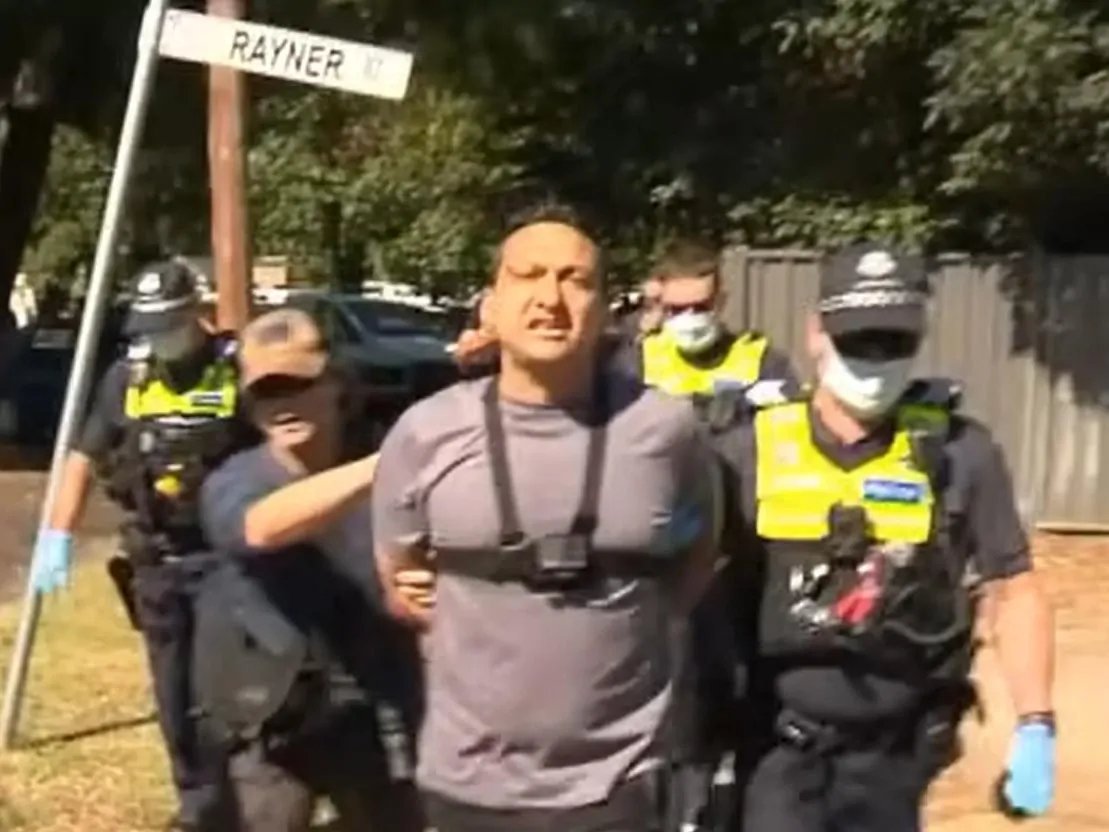
According to experts, the movement’s ideology is built on a fundamental belief that the government is a corporation that enslaves the people, and that its laws are therefore illegitimate.
This belief is often accompanied by a deep hatred of government, law enforcement, and the people tasked with enforcing the law.




The movement’s online presence and transnational connections have allowed fringe beliefs to spread rapidly and gain a sense of legitimacy, making it increasingly difficult for authorities to track and disrupt their activities.
The rise of the sovereign citizen movement in Australia is closely tied to the growing distrust of institutions and the spread of fringe ideas through online communities.
The COVID-19 pandemic, which brought government power into everyday life in a very visible way, has been a major accelerant of the movement. The pandemic’s restrictions, mandates, and uncertainty have deepened distrust and reinforced existing grievances, making it easier for people to become drawn into the movement’s ideology.
Experts warn that the movement’s violent tendencies are a major concern, particularly in regional Australia where people can feel priced out of the towns they grew up in and shut out of the life they thought they were building.
The movement’s online presence and transnational connections have also made it easier for people to find reinforcement, validation, and radical ideas, making it increasingly difficult for authorities to prevent violent confrontations.
Analysis: What This Means for Australia
The rise of the sovereign citizen movement in Australia has significant implications for national security, law enforcement, and community safety.
The movement’s ideology is a direct challenge to the legitimacy of the government and its laws, and its violent tendencies pose a major threat to police and other authorities.
The movement’s online presence and transnational connections also make it increasingly difficult for authorities to track and disrupt their activities.
According to Dr Josh Roose, a political sociologist and associate professor of politics at Deakin University, the movement’s ideology is a form of “anti-government extremism” that has been responsible for well over 100 attacks on law enforcement in the US, including many deaths.
“There’s an explosive rage in some, because of their extreme hate and contempt for government and authority,” he said.
Dr Michael Zekulin, a senior lecturer in the ANU School of Politics and International Relations, warned that the movement’s online presence and transnational connections have made it easier for people to find reinforcement, validation, and radical ideas.
“The internet, their ability to spread content, to meet up, to form chat rooms, these have very significant socio-psychological powerful forces,” he said.
Security analysts say that the movement’s rise is a wake-up call for authorities, who must take urgent action to prevent further violent confrontations.
“The government needs to take a more proactive approach to addressing the root causes of the movement’s ideology, including economic pain, online radicalisation, and a strong sense of grievance,” said one analyst.
Law enforcement insiders warn that the movement’s violent tendencies pose a major threat to police and other authorities. “We need to take a more robust approach to dealing with the movement’s ideology, including increased surveillance and intelligence gathering,” said one insider.
Industry observers believe that the movement’s rise is a symptom of a broader societal problem, including growing distrust of institutions and the spread of fringe ideas through online communities.
“We need to take a more nuanced approach to addressing the root causes of the movement’s ideology, including economic pain, online radicalisation, and a strong sense of grievance,” said one observer.
As the cost-of-living crisis deepens and pressure grows in regional and outer suburban areas, experts warn that the conditions that allow the sovereign citizen movement to thrive are becoming more common.
“People are increasingly desperate, and the movement’s ideology is becoming more appealing to those who feel left behind,” said Dr Roose.
The death of Dezi Freeman is a tragic reminder of the consequences of the movement’s ideology. As experts warn, when those feelings take hold and are reinforced, the jump to an extremist belief system becomes much easier to make.
Australia must take urgent action to prevent further violent confrontations and address the root causes of the movement’s ideology.