Human Bones Uncovered on Rottnest Island: Uncovering the Dark History of a Holiday Paradise
- Workers on Rottnest Island, a popular holiday spot off the coast of Perth, have stumbled upon human bones during construction work on church grounds.
- The remains are believed to be part of a larger Aboriginal burial ground, which was forgotten after the island’s prison closed in 1931.
- Forensic specialists will examine the bones to determine their age, as the island’s history is marred by the imprisonment and deaths of 3700 Aboriginal men and boys.
- The discovery has sparked an investigation, and experts warn that it may be just the tip of the iceberg in uncovering the island’s tragic past.
The idyllic Rottnest Island, known for its white-sand beaches, crystal-clear waters, and adorable quokkas, has a dark history that is slowly being uncovered.
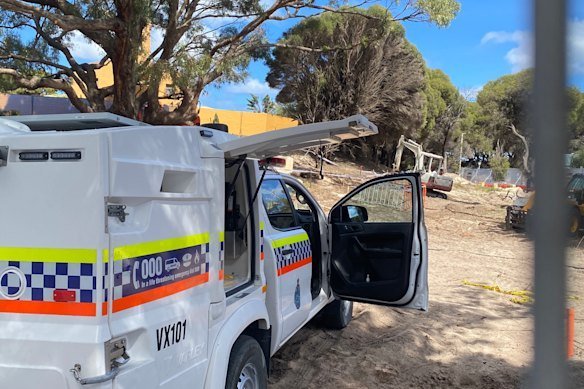
On Wednesday, workers on the island stumbled upon human bones during construction work on church grounds, sparking an investigation that may finally bring to light the island’s troubled past.
The bones, which are believed to be human, were found in an area that was once home to a large Aboriginal burial ground. Between 1838 and 1931, 3700 Aboriginal men and boys were imprisoned on the island, which was then known as Wadjemup.
Many of these men were leaders, lore men, and warriors, and their removal from their communities had a lasting impact on their families and communities.
Living conditions on the island were brutal, with overcrowding, a lack of sanitation and nutrition, extreme weather, and physical and psychological abuse contributing to hundreds of deaths.




Most of the deceased were buried in unmarked graves on the island, which was largely forgotten after the prison closed. The area where the Aboriginal burial ground lay was later converted into a budget camping ground known as Tentland.
Security analysts say that the discovery of the human bones is a stark reminder of the island’s dark history and the need for a thorough investigation into the island’s past.
“The fact that human bones were found on the island is a clear indication that there is still much to be uncovered about Rottnest Island’s history,” said one analyst.
“It’s time for the truth to come out, and for the island’s past to be acknowledged and respected.”
Law enforcement insiders warn that the discovery may be just the tip of the iceberg in uncovering the island’s tragic past.
“The fact that the bones were found in an area that was once home to a large Aboriginal burial ground suggests that there may be more remains to be found,” said one insider.
“It’s a complex and sensitive issue, but one that needs to be addressed in order to bring closure to the families of those who were imprisoned and died on the island.”
Analysis: What This Means for Australia
The discovery of human bones on Rottnest Island has significant implications for Australia’s national security and law enforcement.
It highlights the need for a thorough investigation into the island’s past and the need for greater transparency and accountability in the way that the island’s history is acknowledged and respected.
The discovery also raises questions about the treatment of Aboriginal people in Australia’s past and the need for greater reconciliation and healing.
Industry observers believe that the discovery may also have economic and social consequences for the island and its community. “The discovery of human bones on the island may impact tourism and the local economy,” said one observer.
“However, it also presents an opportunity for the island to come to terms with its past and to develop a more nuanced and respectful approach to its history and culture.”
As the investigation into the discovery of the human bones continues, it is clear that Rottnest Island’s dark history will no longer be forgotten.
The discovery is a stark reminder of the need for truth, accountability, and reconciliation in Australia’s past, and the importance of acknowledging and respecting the island’s tragic history.