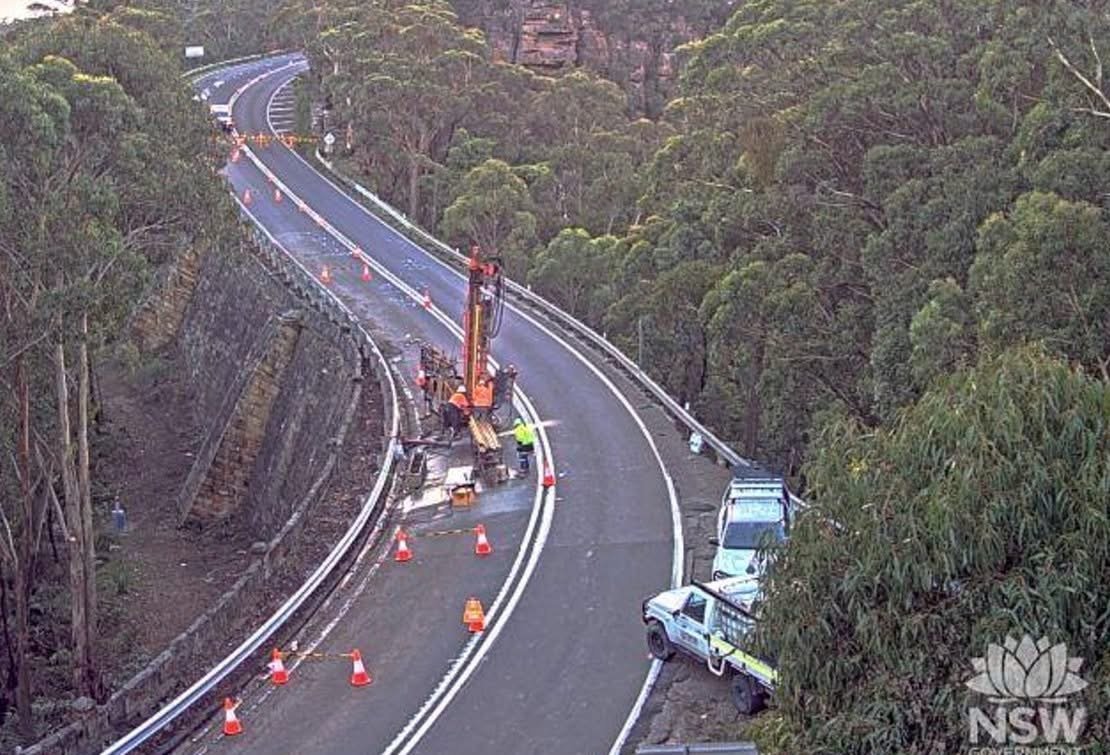
Highway to Nowhere: Great Western Highway Closure Sparks Crisis for Western NSW as Repairs Stall and Businesses Suffer
- The Great Western Highway, a vital link between Sydney and Western NSW, remains closed with no end in sight as geotechnical studies reveal significant structural gaps beneath the road.
- The NSW government is scrambling to find a solution, seeking experts from around the world to assist with repairs, but the road’s reopening is now expected to take longer than the initial three-month estimate.
- The closure has resulted in over 12,000 motorists a day being detoured through central Lithgow, causing significant increases in travel times and financial hardship for local businesses, with some reporting cost increases of up to 30 per cent.
- The community is calling for financial support, with Business NSW western regional director Vicki Seccombe warning that small to medium-sized businesses are struggling to cope with the highway’s closure.
The Great Western Highway, a 200-year-old road that winds its way through the Blue Mountains, has been shut since March after cracks were discovered on the historic Mitchell’s Causeway.
The closure has sent shockwaves through the community, with local businesses and residents struggling to cope with the disruption.
NSW Roads Minister Jenny Aitchison has conceded that the road’s reopening will take longer than the initial three-month estimate, with geotechnical studies revealing significant gaps in the structure beneath the road.
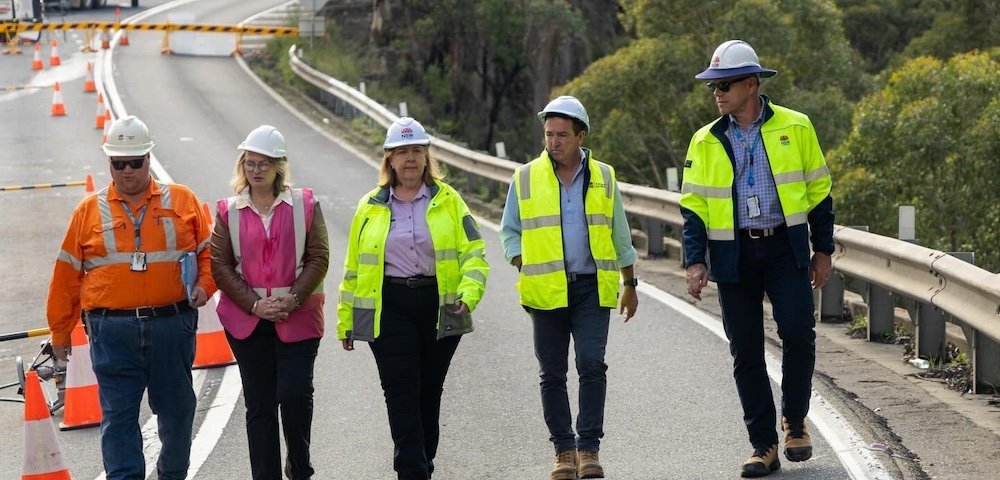
“It is clear that it will be longer than three months, but I am not going to put a figure out there because that would be irresponsible,” she said.
The NSW government is seeking experts from around the world to assist with repairs, with a technical briefing scheduled for April 23. “We are bringing together experts from around the world as well as Australia to look at how we can restore access,” Ms Aitchison said.
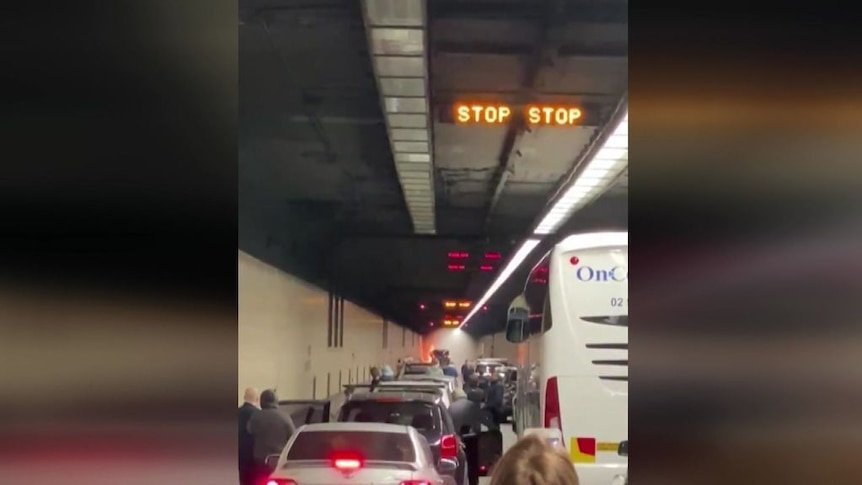



The closure of the Great Western Highway has resulted in significant increases in travel times over the Blue Mountains and through the town of Lithgow. Hartley District Progress Association president Ramsay Moody said the community was struggling to deal with the situation.
“All delays are a worry. Three months is a long time to wait,” Mr Moody said.
The financial impact on local businesses has been severe, with many reporting cost increases of up to 30 per cent. Business NSW western regional director Vicki Seccombe said 98 per cent of businesses surveyed reported being impacted by the highway’s closure.
“It’s really concerning, particularly for the small to medium-sized businesses, those that rely on visitors, as well as manufacturers, construction and agricultural industries that can’t absorb these costs easily,” she said.
Analysis: What This Means for Australia
The closure of the Great Western Highway has significant implications for Western NSW, with the region’s economy and community heavily reliant on the road.
The NSW government’s decision to seek experts from around the world to assist with repairs is a positive step, but the delay in reopening the road will have far-reaching consequences for local businesses and residents.
Security analysts say the closure of the Great Western Highway highlights the need for greater investment in Australia’s transport infrastructure.
“The closure of the Great Western Highway is a wake-up call for the NSW government and the federal government to invest in our transport infrastructure,” said one analyst.
Law enforcement insiders warn that the closure of the Great Western Highway could also have implications for public safety, with the detour through central Lithgow and the Bells Line of Road increasing the risk of accidents and crime.
“The closure of the Great Western Highway is a concern for public safety, and we need to ensure that the detour is safe and secure for all road users,” said one insider.
Industry observers believe that the closure of the Great Western Highway will also have significant economic consequences for Western NSW, with the region’s economy heavily reliant on tourism and agriculture.
“The closure of the Great Western Highway will have a significant impact on the local economy, and we need to ensure that we are doing everything we can to support local businesses and residents,” said one observer.
The NSW government’s decision to run additional buses and trains over the Blue Mountains is a positive step, but more needs to be done to support local businesses and residents.
The government should consider providing financial support to affected businesses, including payroll tax deductions and a campaign to let people know the region is still open.
In conclusion, the closure of the Great Western Highway is a crisis for Western NSW, with significant implications for the region’s economy and community.
The NSW government’s decision to seek experts from around the world to assist with repairs is a positive step, but more needs to be done to support local businesses and residents.