Australian Dairy Farmers on Brink of Collapse: ‘Massive Food Security Issue’ as Fuel and Fertiliser Costs Skyrocket
- Dairy farmers are being forced to slow production and sell off cattle as fuel and fertiliser costs more than double.
- The industry is calling for a 30-cent-a-litre increase in the retail price of milk to help offset the crippling costs.
- Experts warn of a potential milk shortage if dairy farmers begin limiting production, with some already feeling the pinch.
- The crisis is being described as a ‘massive food security issue’ that could have far-reaching consequences for the entire agriculture industry.
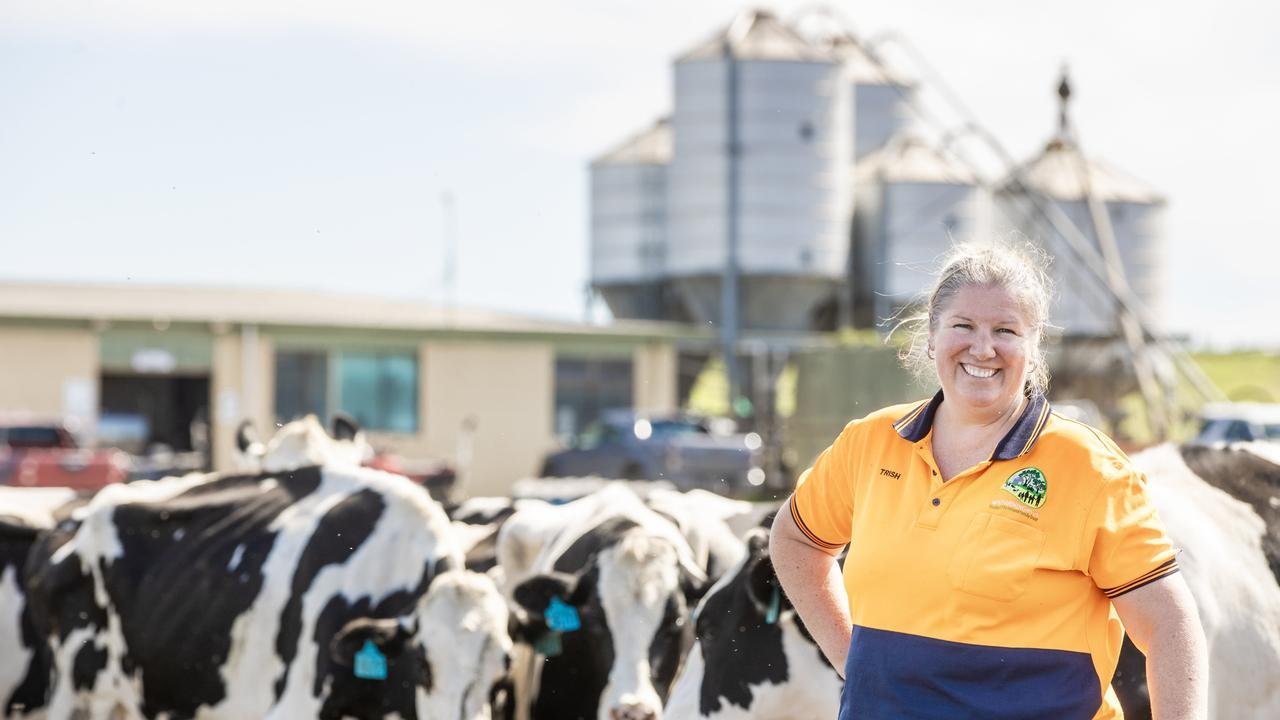
Australia’s dairy farmers are facing a crisis of unprecedented proportions, with soaring fuel and fertiliser costs threatening to destroy the industry. As the situation continues to deteriorate, farmers are being forced to make impossible choices, including slowing production and selling off cattle.
The consequences of inaction could be catastrophic, with experts warning of a potential milk shortage and a ‘massive food security issue’ that could have far-reaching consequences for the entire agriculture industry.
The crisis is being driven by a perfect storm of factors, including the conflict in the Middle East, which has led to a global shortage of fertiliser and fuel.
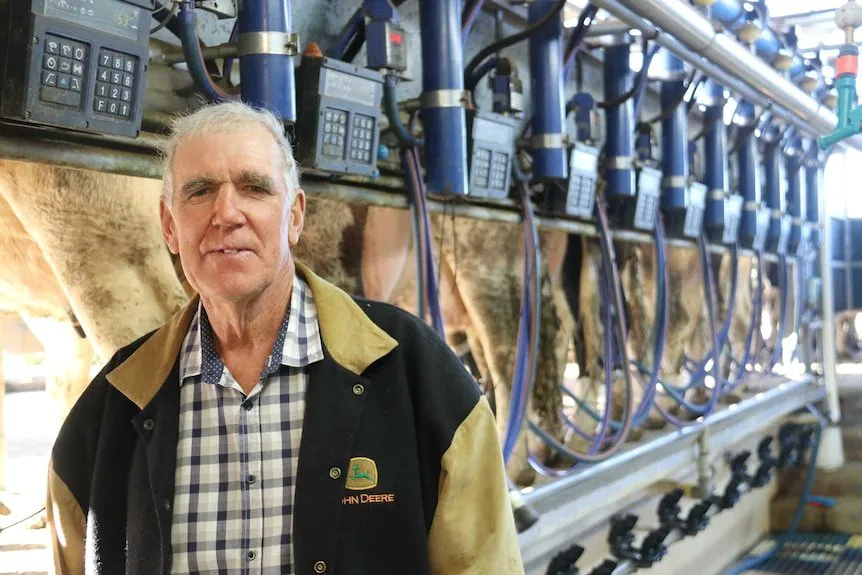
The price of these essential inputs has more than doubled, leaving dairy farmers with no choice but to pass on the costs to consumers.
However, with the milk price set every financial year, farmers are limited in their ability to cover increasing costs, and many are already feeling the pinch.



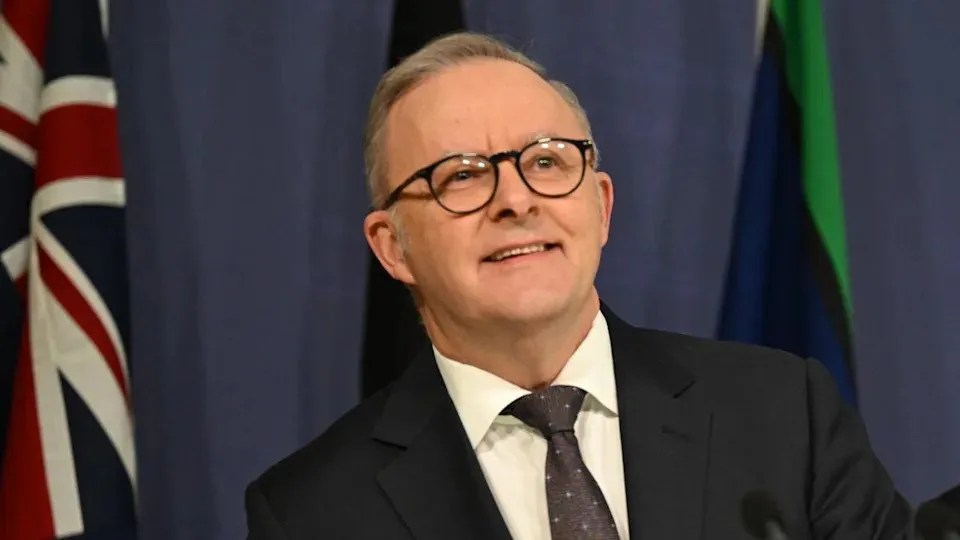
EastAUSmilk president and dairy farmer Tim Bale said the situation was dire, with many farmers already making decisions to back off on urea and reduce their cow numbers.
‘A lot of farmers have already made some decisions to back off on urea.
That affects your pasture production, affects how many cows you can actually milk, and then that affects milk production at the end game,’ he said.
Mr Bale warned that if dairy farmers began limiting production, there was a risk of a milk shortage, something that was already happening in Queensland and New South Wales.
The Australian dairy industry is calling for a 30-cent-a-litre increase in the retail price of milk to help offset the crippling costs. EastAUSmilk is advocating for the price increase, which would help to cover the costs of transport and fertiliser.
However, the proposal has been met with resistance from retailers, who are concerned about the impact on consumers.
South Australian Dairyfarmers’ Association president Rob Brokenshire said a loss in production would put strain on the industry.
‘I don’t believe that there will be a shortage, but what I do know is to get that production so that there isn’t a shortage, that the input costs are going to be very, very high,’ he said.
Mr Brokenshire supported price increases, but only if that money flowed back to farmers and processors.
Australian Dairy Products Federation executive director Janine Waller said work could be done to avoid any potential shortages, including government support. ‘For us, every drop of milk counts,’ she said.
Ms Waller urged consumers to support Australian dairy farmers by buying local product.
Analysis: What This Means for Australia
The crisis facing Australia’s dairy farmers has significant implications for the country’s food security and economy. With the industry already struggling to recover from the impacts of drought, floods, and bushfires, the current crisis could have far-reaching consequences.
Security analysts say that the situation highlights the need for greater investment in the sector, including government support and co-investment in the industry.
Law enforcement insiders warn that the crisis could also have implications for the country’s transport industry, with the shortage of fuel and fertiliser already causing disruptions to supply chains.
Industry observers believe that the situation could lead to increased costs for consumers, as well as potential shortages of essential products.
As the situation continues to deteriorate, it is clear that urgent action is needed to support Australia’s dairy farmers.
With the industry on the brink of collapse, it is imperative that the government and retailers take immediate action to address the crisis and ensure the long-term viability of the sector.