Australia’s Military Revolution: Meet the New Chiefs Leading the Charge Against Existential Threats
- Vice Admiral Mark Hammond takes the helm as the new Chief of the Australian Defence Force, vowing to make the ADF an “employer of choice” amidst recruitment challenges.
- Lieutenant General Susan Coyle makes history as the first female military service chief, becoming the head of the army and paving the way for women in the ADF.
- The new leadership comes as Australia faces “existential” threats to its national security, with Vice Admiral Hammond warning of disruptions to the rules-based order.
- The ADF is set to undergo a major transformation, with a focus on bolstering recruitment and modernising its capabilities, including the acquisition of nuclear-powered submarines under AUKUS.
The Australian Defence Force is on the cusp of a revolution, with the appointment of two new leaders who will shape the country’s military future.
Vice Admiral Mark Hammond has been named the new Chief of the Australian Defence Force, while Lieutenant General Susan Coyle has made history as the first female military service chief, taking the reins as the head of the army.
Vice Admiral Hammond, who has spent 40 years in the navy, including as a submarine commander, has been praised for his leadership and experience. Defence Minister Richard Marles said the new chief’s long stretch of service would position him well for the most senior military role in Australia.
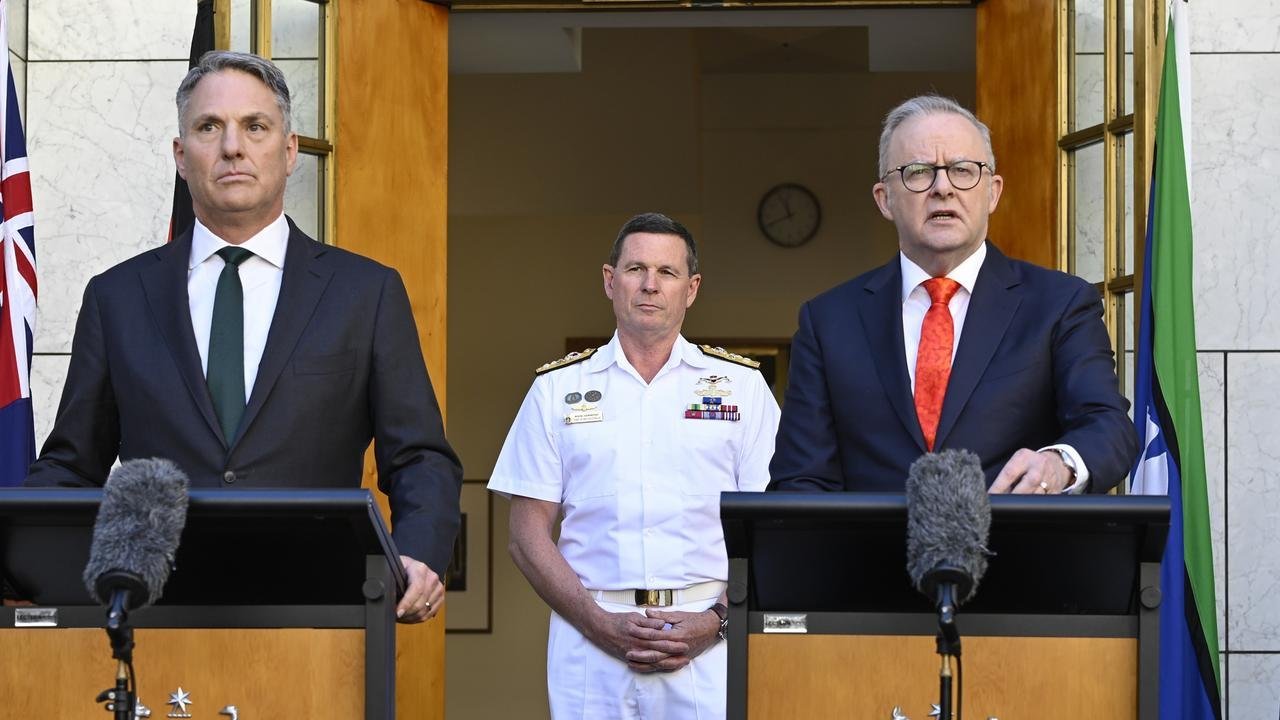
Vice Admiral Hammond has also formed a strong working relationship with Prime Minister Anthony Albanese and Defence Minister Marles, who have been instrumental in shaping the government’s ambitious defence agenda.
Lieutenant General Coyle’s appointment is a milestone moment for women in the ADF. She is the first woman to lead one of the three branches of the ADF: the army, navy, and air force.



Mr Marles hailed her achievement, saying it would be “deeply significant” to women serving in the ADF and those considering a career in the military.
Vice Admiral Hammond has identified recruitment as a key priority, with the number of people leaving the ADF already at “near record lows”.
He wants the ADF to be seen as an “employer of choice” that values every member of the team and creates an environment where people want to serve.
The new chief has also mounted a defence of Australia’s naval capability, saying the country’s 10 surface combatants are “as ready as they ever have been” and equipped with advanced radars and missile systems.
But the new leadership comes at a time of great challenge for Australia’s national security. Vice Admiral Hammond has previously warned of “existential” threats to the country, citing disruptions to the rules-based order.
He has urged Australians to have confidence in their ability to build and operate complex military systems, including nuclear-powered submarines under AUKUS.
Analysis: What This Means for Australia
The appointment of Vice Admiral Hammond and Lieutenant General Coyle marks a significant shift in the ADF’s leadership and direction. As Australia faces growing security challenges, the new chiefs will need to navigate complex geopolitical tensions and modernise the country’s military capabilities.
The focus on recruitment and retention will be crucial, as the ADF seeks to attract and retain top talent in a competitive job market.
Security analysts say the new leadership will need to balance the ADF’s operational requirements with the need to invest in new technologies and capabilities. The acquisition of nuclear-powered submarines under AUKUS will be a major priority, but it will also require significant investment and resources.
Law enforcement insiders warn that the ADF will need to be prepared to respond to a range of security threats, from cyber attacks to terrorism and piracy.
Industry observers believe the new leadership will need to work closely with industry partners to develop and acquire new capabilities. The ADF will need to be agile and adaptable, able to respond quickly to emerging threats and challenges.
As Australia’s military revolution gains momentum, the new chiefs will need to lead from the front, driving innovation and change within the ADF.