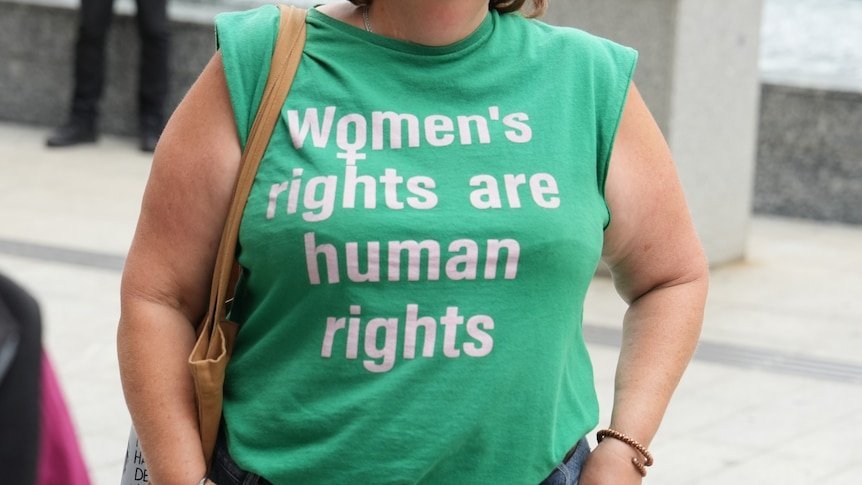
Lesbian Rights Group Wins Landmark Appeal to Exclude Transgender Women from Events, Raising Questions About Sex-Based Rights and Freedom of Association
- A lesbian rights group has won a landmark appeal to exclude transgender women from its public events for five years, sparking controversy over sex-based rights and freedom of association.
- The Federal Court’s decision has broad implications for transgender women and raises questions about the limits of freedom of association and the rights of marginalized groups.
- The Lesbian Action Group’s (LAG) victory marks its third attempt at securing an exemption to the Sex Discrimination Act, after two previous rejections.
- The case has sparked a heated debate about the balance between protecting the rights of marginalized groups and ensuring the freedom of association.
The Lesbian Action Group (LAG) has been embroiled in a long-standing battle to secure an exemption to the Sex Discrimination Act, which would allow it to hold public events exclusively for lesbians who were assigned female at birth.
The group’s spokesperson, Nicole Mowbray, has been at the forefront of the campaign, arguing that the exemption is necessary to protect the rights and safety of its members.
However, the group’s efforts have been met with fierce resistance from transgender advocates, who argue that the exemption would perpetuate discrimination and exclusion against transgender women.
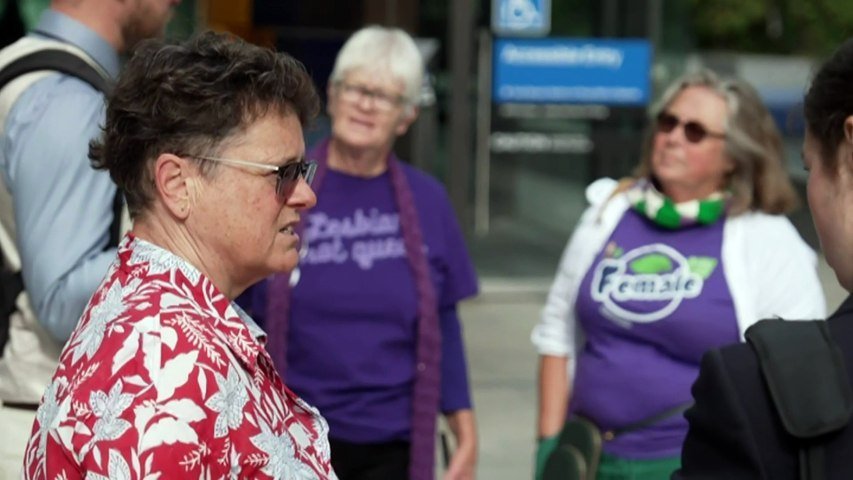
The controversy has sparked a heated debate about the limits of freedom of association and the rights of marginalized groups.
The Federal Court’s decision to allow the appeal has been welcomed by LAG, but has been met with disappointment from transgender advocates.

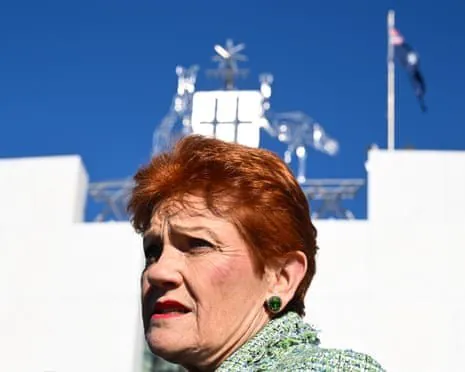


The case will now return to the tribunal for another determination, where the group will have to demonstrate that its events are necessary to promote the rights and interests of lesbians who were assigned female at birth.
Justice Mark Moshinsky’s judgment has been seen as a significant blow to the tribunal’s ruling, which had found that exemptions to the Sex Discrimination Act for “overt acts of discrimination” were not allowed.
The judgment has been hailed as a victory for freedom of association, but has raised concerns about the implications for transgender women.
Analysis: What This Means for Australia
The Federal Court’s decision has significant implications for Australia’s LGBTQI+ community, particularly for transgender women. The case raises important questions about the balance between protecting the rights of marginalized groups and ensuring the freedom of association.
While the decision may be seen as a victory for LAG, it has sparked concerns about the potential for exclusion and discrimination against transgender women.
Security analysts say that the decision highlights the need for greater protections for marginalized groups, while also ensuring that the rights of all individuals are respected.
“This case highlights the complexities of balancing competing rights and freedoms,” said one analyst.
“It’s a reminder that the law must be careful to protect the rights of all individuals, while also ensuring that marginalized groups are not excluded or discriminated against.”
Law enforcement insiders warn that the decision may have unintended consequences, particularly if it is seen as a green light for other groups to seek exemptions to the Sex Discrimination Act.
“This decision has the potential to create a slippery slope, where other groups may seek to exclude marginalized individuals from their events,” said one insider. “It’s essential that the law is clear and consistent in its application, to avoid perpetuating discrimination and exclusion.”
Industry observers believe that the decision will have significant implications for the LGBTQI+ community, particularly for transgender women. “This case has sparked a heated debate about the limits of freedom of association and the rights of marginalized groups,” said one observer.
“It’s essential that the community comes together to promote inclusivity and respect for all individuals, regardless of their background or identity.”
As the case returns to the tribunal for another determination, it remains to be seen how the decision will ultimately play out.
One thing is clear, however: the Federal Court’s decision has sparked a national conversation about the balance between protecting the rights of marginalized groups and ensuring the freedom of association.