
War Hero’s Desperate Bid to Clear His Name: Ben Roberts-Smith’s Shocking War Crimes Charges and the Bail Conditions That Threaten to Tear His Family Apart
- Ben Roberts-Smith, a decorated war hero, is facing five counts of murder under the Commonwealth Criminal Code Act for allegedly killing unarmed Afghan civilians.
- The former SAS soldier’s strict bail conditions have been varied to allow him to contact his ex-wife, despite her being a prosecution witness, to arrange visits with their children.
- Roberts-Smith’s lawyers argue that the pre-trial publicity surrounding the allegations makes a fair trial impossible, and that the charges may not be proven due to significant disagreement over the facts.
- The case has sparked a national debate on war crimes, military accountability, and the treatment of veterans, with Roberts-Smith vowing to fight the charges and clear his name.
Ben Roberts-Smith, the war hero turned accused war criminal, has been granted a rare concession in his strict bail conditions, allowing him to contact his ex-wife and arrange visits with their children.
The move comes as Roberts-Smith prepares to face five counts of murder under the Commonwealth Criminal Code Act for allegedly killing unarmed Afghan civilians during his deployments with the SAS.
The former soldier’s bail conditions were varied in the Downing Centre Local Court on Thursday, with Judge Susan Horan approving the change after it was revealed that the original conditions had inadvertently captured Roberts-Smith’s ex-wife, who is also a prosecution witness.
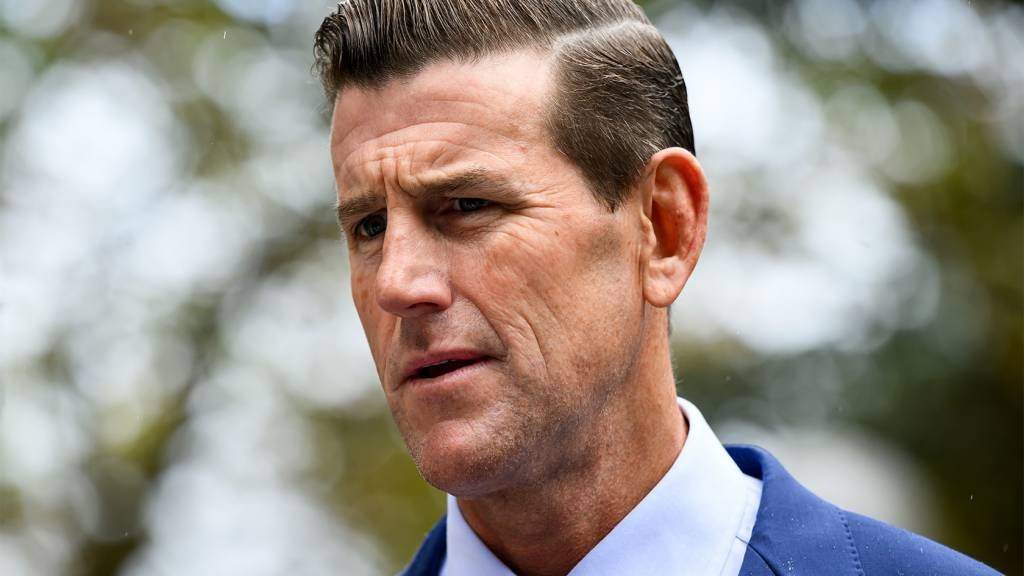
The variation allows Roberts-Smith to directly contact his ex-wife by email to make arrangements for their children, but he remains subject to strict reporting requirements and a $250,000 surety.
Roberts-Smith’s case has sparked a national debate on war crimes, military accountability, and the treatment of veterans.



The former soldier is accused of being complicit in the deaths of three Afghan civilians, including a farmer and two prisoners, during his deployments in 2009 and 2012.
He strongly denies all allegations and has vowed to fight the charges in court.
The case is unprecedented in its complexity and sensitivity, with Roberts-Smith’s lawyers arguing that the pre-trial publicity surrounding the allegations makes a fair trial impossible.
“The fairness of the proceedings will be compromised by the applicant having to defend himself from remand custody,” Slade Howell, representing Roberts-Smith, told the court.
“It is very likely, in due course, that a superior court or courts may need to consider whether the extraordinary pre-trial publicity surrounding these allegations…
means that a fair trial of the allegations is simply not possible.”
Roberts-Smith’s lawyers also raised concerns about the impact of the charges on his family, particularly his ex-wife and children.
The former soldier’s relationship with his ex-wife has been marred by multiple legal disputes, including a defamation trial that ultimately ended in 2023 with a ruling that upheld serious allegations against Roberts-Smith under civil law standards.
Analysis: What This Means for Australia
The Roberts-Smith case has significant implications for Australia’s military and its accountability mechanisms.
The charges against Roberts-Smith have sparked a national debate on the treatment of veterans and the need for greater transparency and accountability within the military.
As the case progresses, it is likely to raise questions about the role of the military in Afghanistan and the impact of war on those who serve.
Security analysts say that the case highlights the need for greater scrutiny of Australia’s military operations overseas and the importance of holding those responsible for war crimes accountable.
“This case is a wake-up call for Australia’s military and its leaders,” said one analyst.
“It highlights the need for greater transparency and accountability within the military, and the importance of ensuring that those responsible for war crimes are held accountable.”
Law enforcement insiders warn that the case may set a precedent for future war crimes prosecutions, and that it may lead to greater scrutiny of Australia’s military operations overseas.
“This case is a significant development in the prosecution of war crimes,” said one insider. “It highlights the importance of holding those responsible for war crimes accountable, and the need for greater transparency and accountability within the military.”