‘Dark Clouds Gather Over Canberra’: How a Year of Terror, War, and Economic Shocks Has Hijacked Anthony Albanese’s Second Term
- Labor’s historic 94-seat majority in the 2025 federal election has been overshadowed by a series of devastating events that have reshaped the party’s second term.
- A domestic terror attack, a new conflict in the Middle East, and an oil-driven economic shock have forced Prime Minister Anthony Albanese into a constant state of reactive governing.
- As the conflict drags on, anticipation about promises of serious reforms to address intergenerational inequality has been replaced with scepticism, and the government’s ability to deliver cost-of-living relief is being tested.
- The prime minister’s second term is now defined less by what he wants to do than by what unforeseen events will allow, leaving many to wonder if Labor can regain control of its agenda.
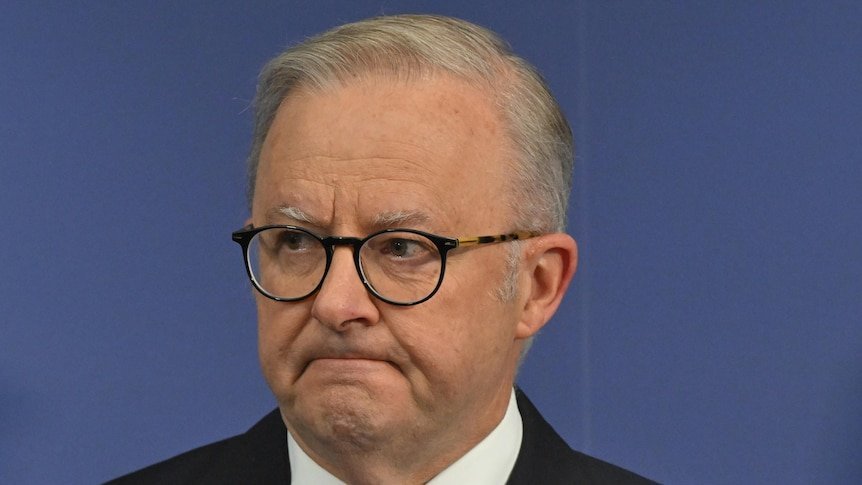
It’s been a year since Anthony Albanese stood on stage at the Canterbury-Hurlstone Park RSL Club in Sydney, basking in the adoration of his party faithful as Labor secured a historic 94-seat majority in the lower house.
The rapturous applause and sense of hope in the room that night now seem like a distant memory, as the prime minister’s second term has been hijacked by a series of devastating events that have reshaped the party’s agenda.
In the months following the election, the Coalition descended into chaos, effectively eschewing their opposition duties in favour of internal warring. A tentative ceasefire began in Gaza, and there was a sense that Labor’s second term might prove more fertile ground for ambitious domestic reform.
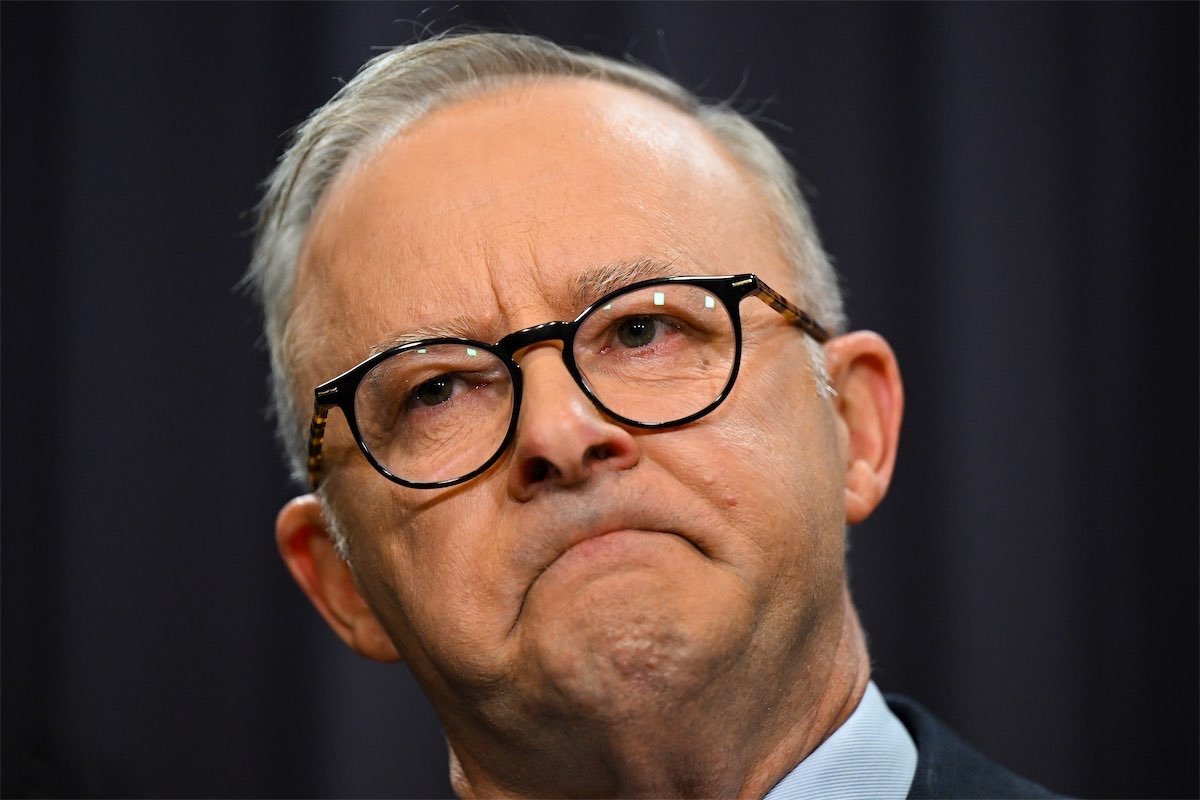
However, that optimism was short-lived, as the US-Israeli strikes on Iran in late February sparked a war that has forced Albanese into a constant state of reactive governing.
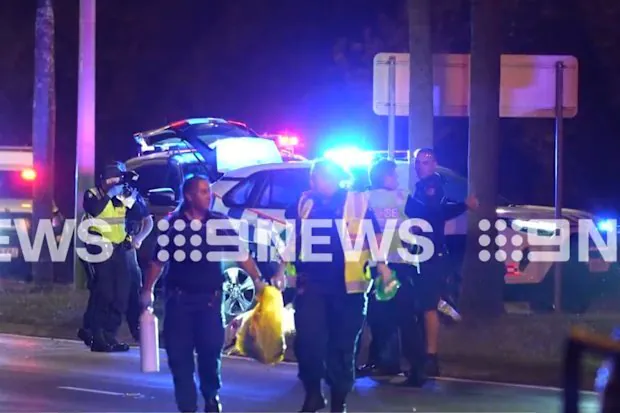
The domestic terror attack at Bondi in December, which left the nation reeling, was a stark reminder of the unpredictable nature of global events.
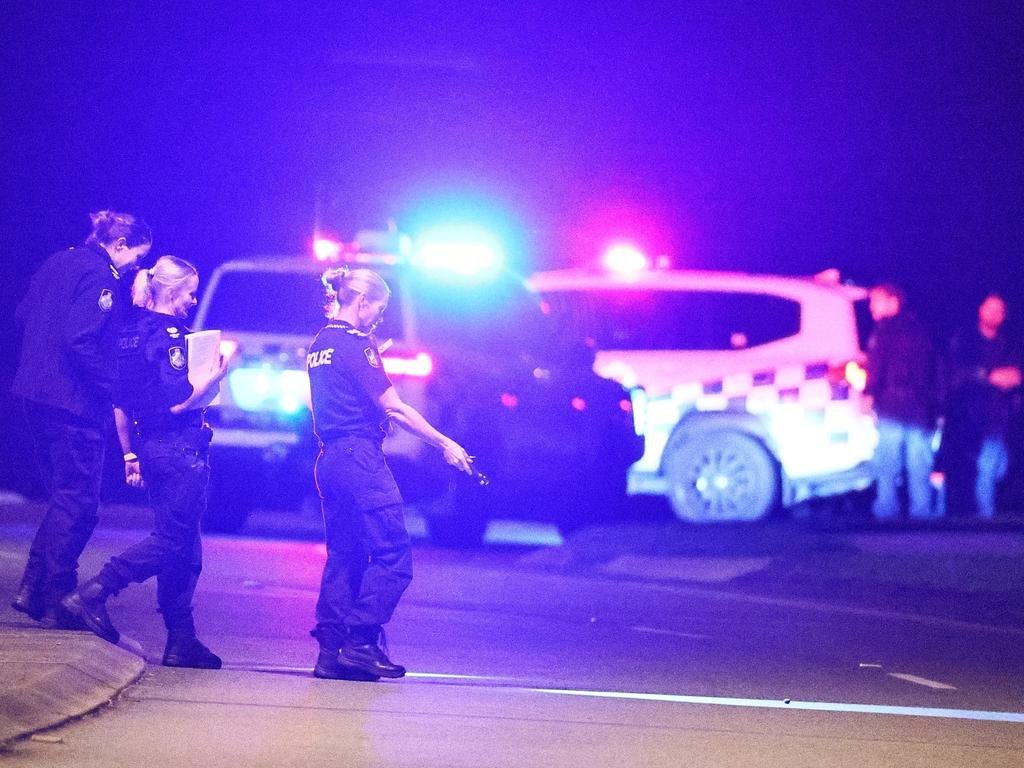

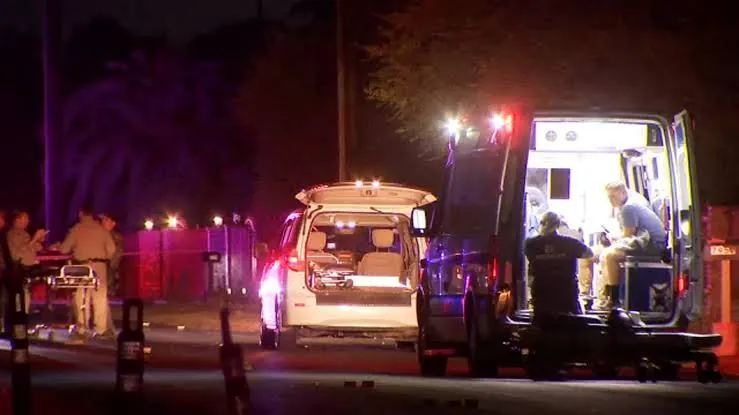

The prime minister’s initial resistance to hold a royal commission was met with widespread criticism, and the language of the interim report is damning in its careful way.
The report’s vague findings are a reminder of how little time has really passed since the attack, even if it seems like a lifetime ago.
As the conflict in the Middle East drags on, the economic consequences are being felt acutely in Australia.
The oil-driven economic shock has forced Labor to backflip on its initial plans to reform the tax system, with the government confirming this week that it will not be making changes to export taxes on existing gas contracts.
The energy crisis sparked by the Iran war has clearly killed off any chance of more substantial tax changes at this time.
The inflation figures released this week, which show prices rose 4.6 per cent in the 12 months to March, are only the beginning. Treasurer Jim Chalmers warned that the Iran war “could drive inflation up even higher before it comes back down again”.
The government is caught between pressure to deliver cost-of-living relief and also rein in spending to help tame inflation.
Even if the government cuts deep into public spending, there is little that can be done to offset the widespread impact of high global oil prices.
Analysis: What This Means for Australia
The series of events that have unfolded over the past year has significant implications for Australia’s national security, economy, and social fabric. The domestic terror attack at Bondi has highlighted the need for increased vigilance and cooperation between law enforcement agencies.
The conflict in the Middle East has exposed Australia’s vulnerability to global economic shocks, and the government’s ability to respond to these challenges will be closely watched.
Security analysts say that the situation in the Middle East is likely to remain volatile for the foreseeable future, and Australia needs to be prepared to adapt to changing circumstances.
The government’s decision to recall parliament early to pass new gun control and hate laws was a necessary step, but it is only the beginning.
The royal commission’s findings will provide valuable insights into the events leading up to the attack, and the government must be prepared to act on its recommendations.
Law enforcement insiders warn that the threat of terrorism is ongoing, and the government needs to remain vigilant in its efforts to prevent future attacks. The community is looking to the government for leadership and reassurance, and it is up to Albanese to deliver.
Industry observers believe that the economic consequences of the conflict in the Middle East will be felt for some time to come. The government’s decision to cut fuel excise is a temporary measure, but it is a start.
The government needs to work with industry leaders to develop a comprehensive plan to address the economic challenges posed by the conflict.
As the prime minister’s second term continues to be defined by unforeseen events, one thing is clear: the government must be prepared to adapt and respond to changing circumstances.
The Australian people are looking for leadership and reassurance, and it is up to Albanese to deliver.
The coming months will be critical, as the government navigates the complex web of international relations and domestic politics.
The prime minister’s ability to lead the country through this challenging period will be closely watched, and the consequences of his actions will be far-reaching.
Only time will tell if Labor can regain control of its agenda and deliver on its promises. One thing is certain, however: the next 12 months will be just as unpredictable as the last.