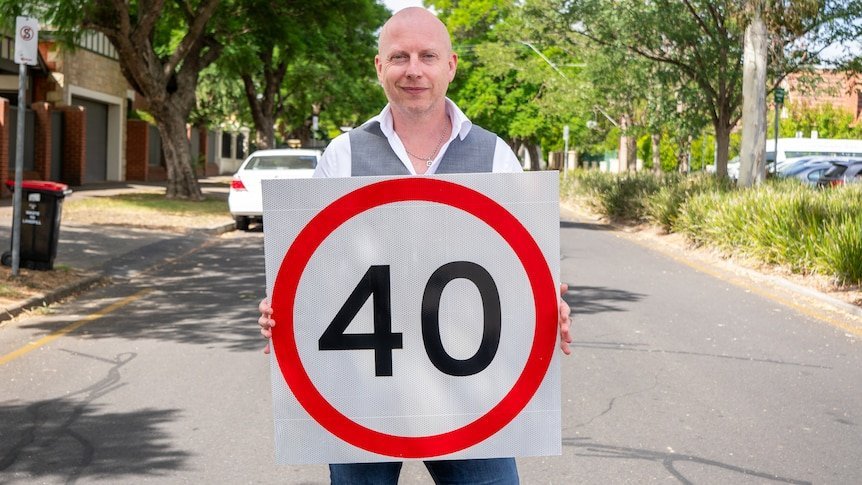
Adelaide’s Speed Zone Chaos: How South Australia’s New 40km/h School Zones Are Catching Out Motorists and Raking in Fines
- Drivers are facing a maze of speed limit changes on arterial roads, with some sections featuring six different limits within a kilometre.
- The new 40km/h school zones have been installed across Adelaide, but critics say the signage is unclear and the penalties are hefty.
- Motorists who exceed the speed limit by just 20km/h can be slugged with a $955 fine, a $105 Victims of Crime levy, and five demerit points.
- Traffic lawyer Karen Stanley says the government is using outdated road rules on modern roads, leading to confusion and revenue-raising fines.
The streets of Adelaide have become a minefield for motorists, with the introduction of new 40km/h school zones that have left many drivers scratching their heads.
The zones, which are only in effect during public school terms, have been installed on arterial roads across the city, but critics say the signage is unclear and the penalties are severe.
Take Beach Road, for example, which features a stretch of road with six different speed limit changes within a kilometre.
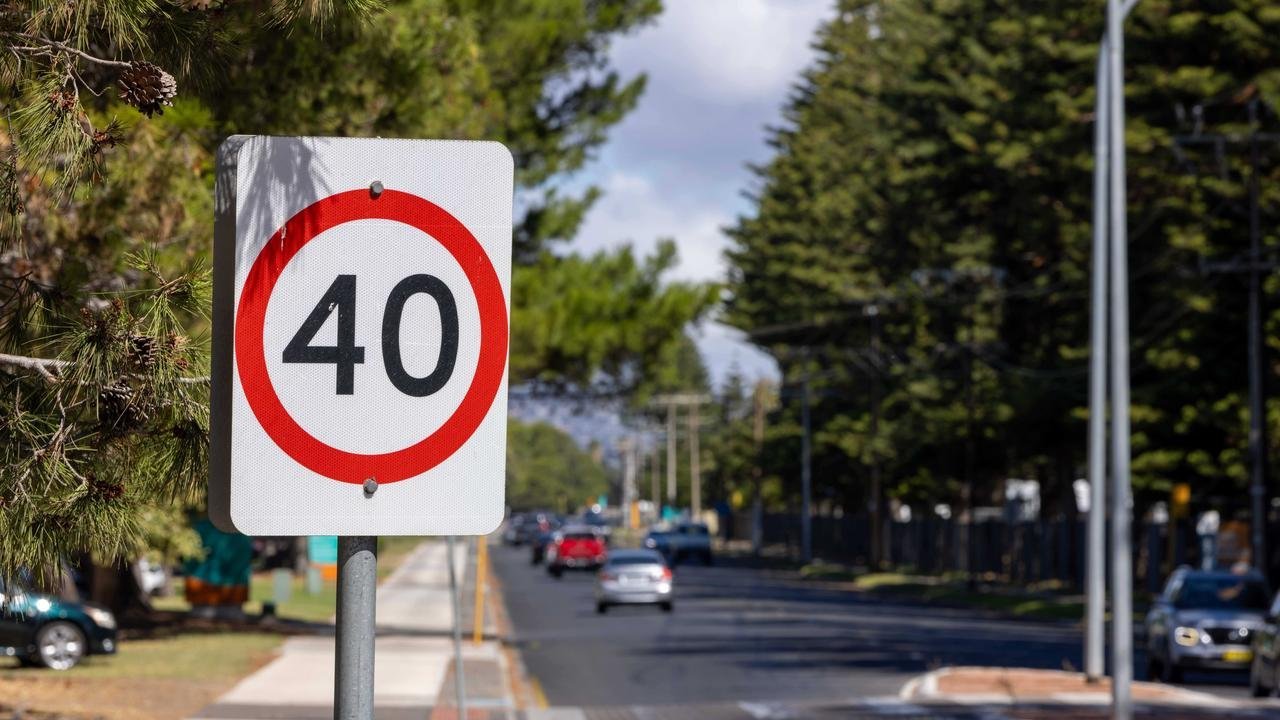
Drivers must navigate a dizzying array of signs, with limits changing from 60km/h to 40km/h to 60km/h again, all while contending with traffic lights and multiple lane mergers.
It’s a recipe for disaster, and motorists are already feeling the pinch.



SA Police Commissioner Grant Stevens has acknowledged the concerns, saying that the application of the new road rules is “clearly concerning people.” But the government maintains that the zones are necessary to improve road safety, particularly around schools.
So, what’s behind the confusion, and is there a better way to keep our roads safe?
The introduction of 40km/h school zones is not new – they’ve been in place in eastern states for decades. But South Australia’s version has some unique features that are causing headaches for motorists.
For one, the zones are only in effect during public school terms, which can be confusing for drivers who don’t have kids. And the penalties for exceeding the speed limit are among the heaviest in the country.
Traffic lawyer Karen Stanley says the government is using outdated road rules on modern roads, leading to confusion and revenue-raising fines. “The government is still using the old rules on modern roads, with more roadworks and distractions such as large signs and advertising,” she says.
“It’s led to situations like what SA’s Department for Infrastructure and Transport has unfurled across Adelaide with its ‘ambiguous and uncertain’ 40km/h speed limit signs.”
Stanley also questions the effectiveness of the signage, pointing out that only two of the new 40km/h zones in Adelaide include illuminated flashing speed limit signs.
The rest rely on static signs, which can be easily missed by drivers.
And if a driver is caught exceeding the speed limit, the penalties can be severe – $955 for exceeding the limit by 20km/h, plus a $105 Victims of Crime levy and five demerit points.
Analysis: What This Means for Australia
The introduction of 40km/h school zones in South Australia has significant implications for road safety and driver behavior.
On the one hand, the zones are designed to protect vulnerable road users, particularly children, by reducing the speed limit in areas where they are most at risk.
But on the other hand, the confusing signage and severe penalties are causing frustration and resentment among motorists.
Security analysts say that the government needs to strike a balance between road safety and driver convenience.
“The key is to make sure that the signage is clear and consistent, and that drivers are given adequate warning of changes to the speed limit,” says one expert.
“If the signage is unclear, it can lead to confusion and accidents, which defeats the purpose of the zones in the first place.”
Law enforcement insiders warn that the heavy penalties for exceeding the speed limit could also have unintended consequences. “If drivers are more focused on avoiding fines than on driving safely, it could lead to more accidents, not fewer,” says one insider.
“The government needs to make sure that the penalties are fair and proportionate to the offense, and that drivers are given a chance to adjust to the new rules before being hit with hefty fines.”
Industry observers believe that the introduction of 40km/h school zones is a step in the right direction, but that more needs to be done to improve road safety.
“The government needs to invest in better signage and infrastructure, particularly around schools, to make sure that drivers are aware of the speed limits and can adjust accordingly,” says one observer.
“It’s also important to educate drivers about the importance of road safety and the risks of speeding, particularly in areas where children are present.”
For now, motorists in Adelaide will have to navigate the confusing maze of speed limit changes and hope that they don’t get caught out. But with the government committed to reviewing and refining the zones, there may be hope for a safer and more driver-friendly future.