Interest Rates Set to Soar: RBA’s ‘Sledgehammer’ to Crush Aussie Mortgage Holders, Experts Warn of Recession, Job Losses and Home Foreclosures
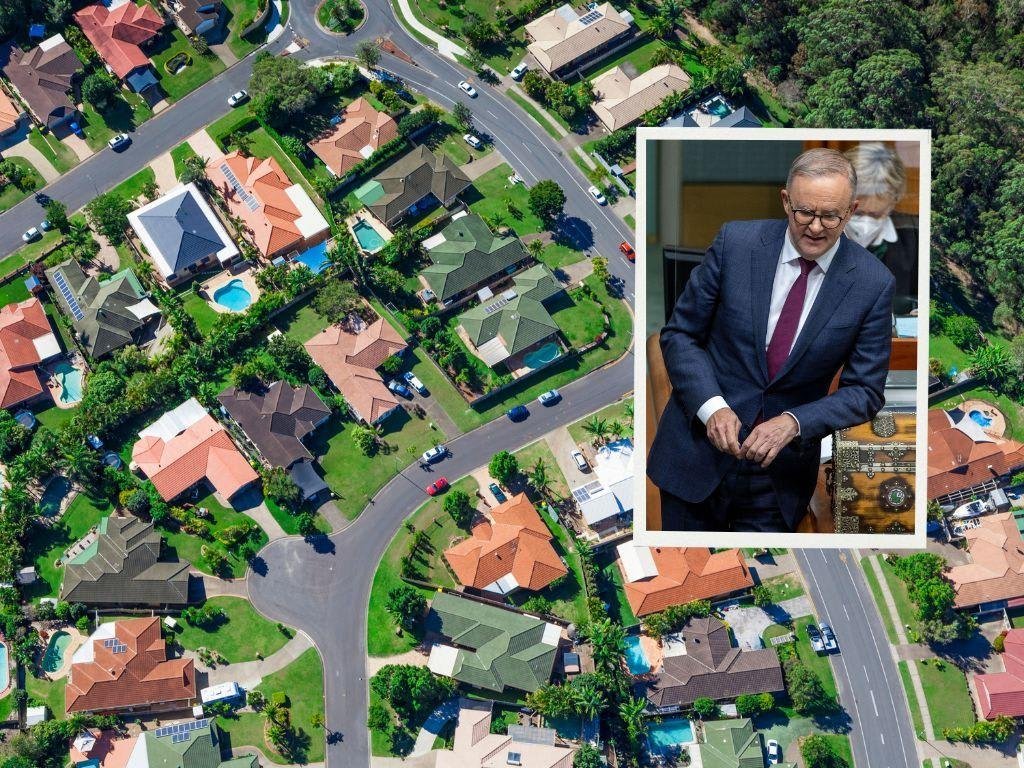
- Australia’s interest rates are expected to rise for the third consecutive time in 2026, putting pressure on 3.6 million mortgage holders.
- The RBA’s decision could lead to a recession, with business confidence plummeting to record lows and households feeling the pinch.
- Experts warn that 100,000 Aussies could lose their homes as interest rate pain intensifies, with many borrowers already on the brink of default.
- The interest rate hike is expected to drive up unemployment and underemployment, exacerbating the country’s economic woes.
The Reserve Bank of Australia (RBA) is poised to deliver a devastating blow to the nation’s economy, with interest rates expected to rise by a further 25 basis points at 2:30 pm on Tuesday.
This would be the third consecutive interest rate hike in 2026, reversing the three interest rate cuts in 2025 and taking the cash rate back to 4.35 per cent.
The move is expected to put additional pressure on the country’s 3.6 million mortgage holders, many of whom are already struggling to make ends meet.
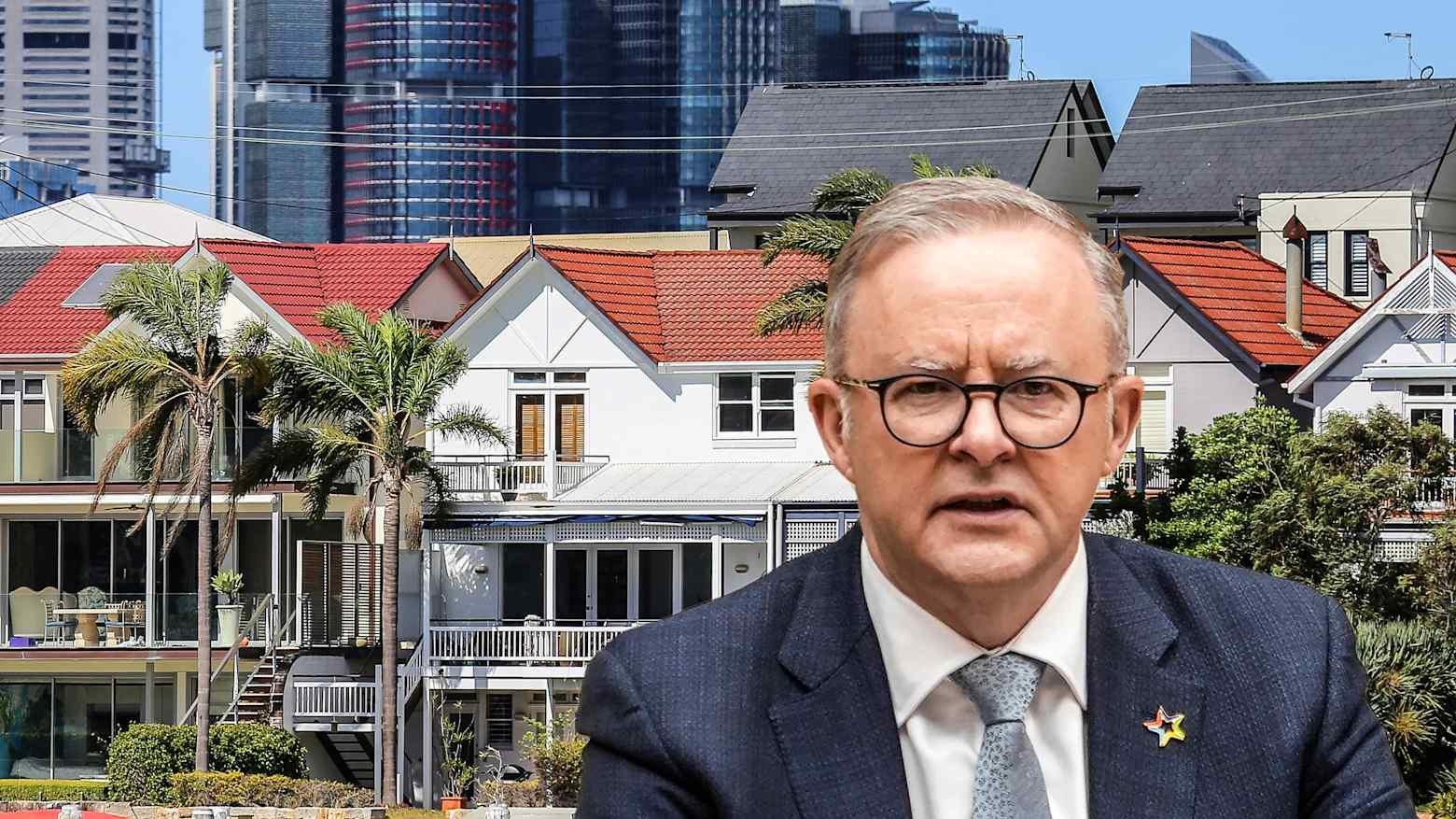
At the heart of the RBA’s decision is the nation’s stubbornly high inflation rate, which has been fueled by a combination of global and domestic factors.
According to Australian Bureau of Statistics figures, the Consumer Price Index (CPI) rose by 4.6 per cent in the 12 months to March 2026, the highest level since September 2023.

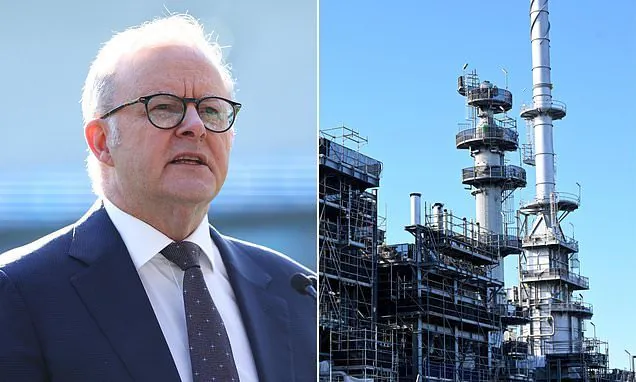


The price of petrol soared 32.8 per cent in March, lifting the cost of transportation by 9.2 per cent in just 30 days.
The all-important trimmed mean inflation rate, which removes the seasonal and volatile part of the CPI, including petrol, was above target at 3.3 per cent for the 12 months until March.
HSBC chief economist Paul Bloxham warns that the RBA has few options but to wield its “sledgehammer” to disinflate the economy. “With only a blunt instrument, the RBA has few options.
The RBA is wielding its sledgehammer and knocking the economy into a downturn to disinflate it,” he said. Mr.
Bloxham blames the inflation problem on Australia’s weak productivity growth, which has been exacerbated by the recent US/Israel and Iran conflict.
The conflict has driven a sharp rise in fuel and fertilizer prices, and the still-closed Strait of Hormuz means both more upside risk to fuel prices and an increasing risk of wider supply chain disruptions.
The interest rate hike is expected to have a devastating impact on Australian households, many of whom are already struggling to make ends meet.
Finder survey data shows that 9 per cent of mortgage holders – or 297,000 people – would default on their mortgage if there is one or two more interest rate hikes.
Meanwhile, 3 per cent of borrowers say they are already on the brink, admitting they could only absorb one more increase before falling behind. Finder money and home loans expert Richard Whitten warns that it won’t take much more rate pain to tip households over the edge.
“When you consider how persistently high the cost of living has been over many years, it’s no surprise so many borrowers are nearing their limit again,” Mr.
Whitten said.
Analysis: What This Means for AustraliaThe RBA’s decision to raise interest rates has significant implications for Australia’s economy, national security, and community safety.
With the country’s business confidence plummeting to record lows, the chances of a recession continue to rise.
According to Roy Morgan’s business confidence index, 61.3 per cent expect bad times ahead for the next year, while 73.4 per cent are expecting bad times for the next five years.
Households are feeling even worse, with a score of just 67.8 – the seventh lowest reading of all time.
Security analysts warn that the interest rate hike could lead to increased mortgage stress, real unemployment, and underemployment, which could have serious consequences for community safety.
“A further increase to official interest rates tomorrow, on top of two interest rate increases by the RBA, will increase mortgage stress, real unemployment and underemployment and ensure the damage to the Australian economy is needlessly increased,” said Roy Morgan chief executive Michele Levine.
Law enforcement insiders warn that the interest rate hike could also lead to increased crime rates, as desperate households turn to illicit activities to make ends meet.
“When people are struggling to put food on the table, they may turn to crime to survive,” said one law enforcement insider.
“This could lead to an increase in property crime, such as burglaries and robberies, as well as an increase in violent crime, such as assaults and domestic violence.”
Industry observers believe that the interest rate hike could also have serious economic consequences, including a decline in consumer spending, a decrease in business investment, and a rise in unemployment.
“The interest rate hike will make it more expensive for businesses to borrow money, which could lead to a decline in business investment and a rise in unemployment,” said one industry observer.
In conclusion, the RBA’s decision to raise interest rates has significant implications for Australia’s economy, national security, and community safety. As the country teeters on the brink of recession, it remains to be seen how households and businesses will respond to the increased pressure.
One thing is certain, however: the interest rate hike will have far-reaching consequences for the nation, and it’s up to policymakers to mitigate the damage.
The Reserve Bank of Australia (RBA) is poised to deliver a devastating blow to the nation’s economy, with interest rates expected to rise by a further 25 basis points at 2:30 pm on Tuesday. This would be the third consecutive interest rate hike in 2026, reversing the three interest rate cuts in 2025 and taking the cash rate back to 4.35 per cent. The move is expected to put additional pressure on the country’s 3.6 million mortgage holders, many of whom are already struggling to make ends meet.
At the heart of the RBA’s decision is the nation’s stubbornly high inflation rate, which has been fueled by a combination of global and domestic factors. According to Australian Bureau of Statistics figures, the Consumer Price Index (CPI) rose by 4.6 per cent in the 12 months to March 2026, the highest level since September 2023. The price of petrol soared 32.8 per cent in March, lifting the cost of transportation by 9.2 per cent in just 30 days. The all-important trimmed mean inflation rate, which removes the seasonal and volatile part of the CPI, including petrol, was above target at 3.3 per cent for the 12 months until March.
HSBC chief economist Paul Bloxham warns that the RBA has few options but to wield its “sledgehammer” to disinflate the economy. “With only a blunt instrument, the RBA has few options. The RBA is wielding its sledgehammer and knocking the economy into a downturn to disinflate it,” he said. Mr. Bloxham blames the inflation problem on Australia’s weak productivity growth, which has been exacerbated by the recent US/Israel and Iran conflict. The conflict has driven a sharp rise in fuel and fertilizer prices, and the still-closed Strait of Hormuz means both more upside risk to fuel prices and an increasing risk of wider supply chain disruptions.
The interest rate hike is expected to have a devastating impact on Australian households, many of whom are already struggling to make ends meet. Finder survey data shows that 9 per cent of mortgage holders – or 297,000 people – would default on their mortgage if there is one or two more interest rate hikes. Meanwhile, 3 per cent of borrowers say they are already on the brink, admitting they could only absorb one more increase before falling behind. Finder money and home loans expert Richard Whitten warns that it won’t take much more rate pain to tip households over the edge. “When you consider how persistently high the cost of living has been over many years, it’s no surprise so many borrowers are nearing their limit again,” Mr. Whitten said.
The RBA’s decision to raise interest rates has significant implications for Australia’s economy, national security, and community safety. With the country’s business confidence plummeting to record lows, the chances of a recession continue to rise. According to Roy Morgan’s business confidence index, 61.3 per cent expect bad times ahead for the next year, while 73.4 per cent are expecting bad times for the next five years. Households are feeling even worse, with a score of just 67.8 – the seventh lowest reading of all time.
Security analysts warn that the interest rate hike could lead to increased mortgage stress, real unemployment, and underemployment, which could have serious consequences for community safety. “A further increase to official interest rates tomorrow, on top of two interest rate increases by the RBA, will increase mortgage stress, real unemployment and underemployment and ensure the damage to the Australian economy is needlessly increased,” said Roy Morgan chief executive Michele Levine.
Law enforcement insiders warn that the interest rate hike could also lead to increased crime rates, as desperate households turn to illicit activities to make ends meet. “When people are struggling to put food on the table, they may turn to crime to survive,” said one law enforcement insider. “This could lead to an increase in property crime, such as burglaries and robberies, as well as an increase in violent crime, such as assaults and domestic violence.”
Industry observers believe that the interest rate hike could also have serious economic consequences, including a decline in consumer spending, a decrease in business investment, and a rise in unemployment. “The interest rate hike will make it more expensive for businesses to borrow money, which could lead to a decline in business investment and a rise in unemployment,” said one industry observer.
In conclusion, the RBA’s decision to raise interest rates has significant implications for Australia’s economy, national security, and community safety. As the country teeters on the brink of recession, it remains to be seen how households and businesses will respond to the increased pressure. One thing is certain, however: the interest rate hike will have far-reaching consequences for the nation, and it’s up to policymakers to mitigate the damage.