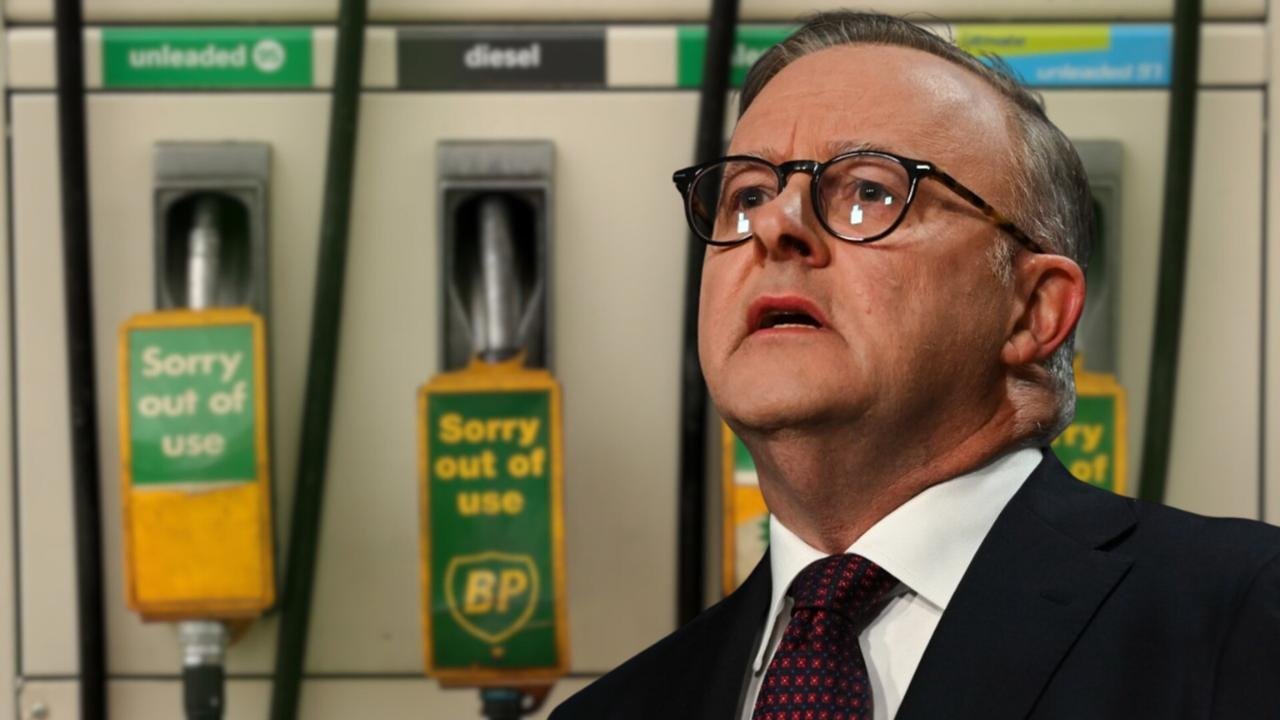
Fuel Crisis: $10 Billion Lifeline to Save Australia’s Fuel Supplies as War in Iran Threatens to Paralyse the Nation
- Australia’s fuel security is on the brink of collapse as the Strait of Hormuz remains closed, with experts warning of potential fuel shortages and economic chaos.
- The federal government has unveiled a $10 billion fuel security package to boost the nation’s fuel stockpiles and shield against the long-term consequences of the war in Iran.
- The plan includes a significant increase in mandatory petrol, diesel, and jet fuel stockpiles, as well as funding for new or expanded fuel refineries.
Australia is on high alert as the fuel crisis deepens, with Prime Minister Anthony Albanese warning of a “perfect storm” that could cripple the nation’s economy.
The war in Iran has effectively closed the Strait of Hormuz, a critical waterway for global oil supplies, leaving Australia scrambling to secure its fuel stocks.
In response, the federal government has announced a $10 billion fuel security package aimed at bolstering the nation’s fuel reserves and shielding against the long-term consequences of the crisis.
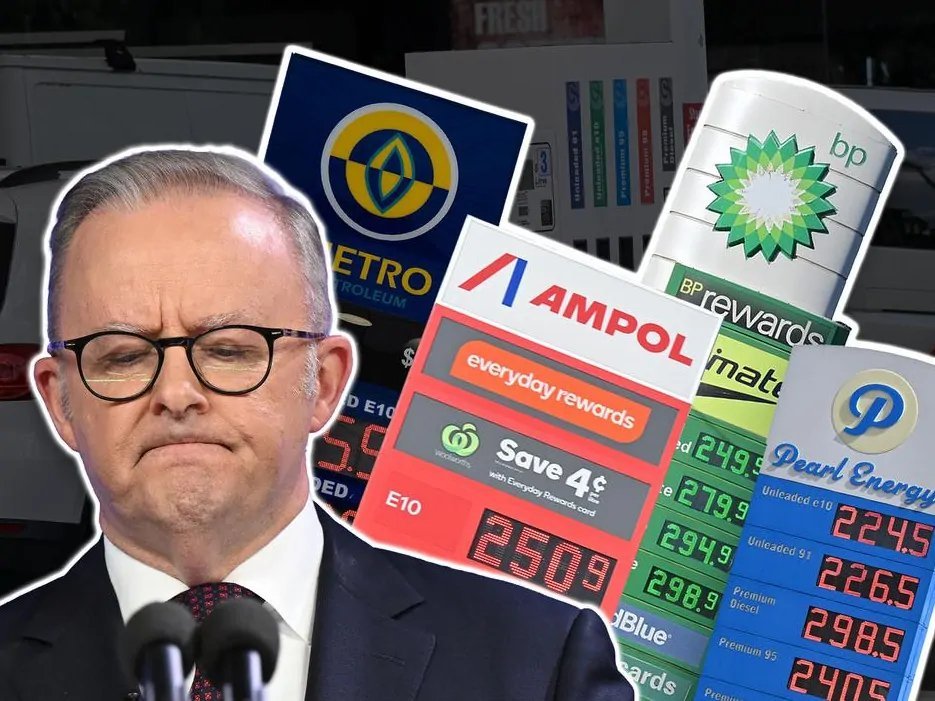
The package, to be outlined in next week’s budget, includes a significant increase in mandatory petrol, diesel, and jet fuel stockpiles. Currently, refiners and importers are required to store between 20 to 32 days of emergency supplies, depending on the type of fuel they hold.
Under the proposal, Australia’s mandatory petrol stockpiles will increase to about 37 days, while diesel and jet fuel will be about 50 days.




The government will also provide $7.5 billion in financial support for fuel companies to access loans, insurance, and equity to buy and store more fuel.
The plan is a major shift in Australia’s approach to fuel security, with the government acknowledging that the nation’s current stockpiles are woefully inadequate.
Energy Minister Chris Bowen said that Australia is one of the few countries in the International Energy Agency that does not have a government-owned fuel reserve.
“This is a big change in our approach as a country and a good one,” he said.
The government will spend $3.7 billion to set up a government-owned fuel security reserve that would hold 1 billion litres of diesel and aviation fuel for use in times of crisis.
The fuel security package has been welcomed by Opposition Leader Angus Taylor, who said that boosting fuel stocks and stockholding obligations is a “no-brainer”. However, he argued that the government’s plan does not go far enough, calling for a minimum stockholding obligation of 60 days.
“We need more fuel stocks … the government needs to get on with it,” he said.
Analysis: What This Means for Australia
The fuel crisis has significant implications for Australia’s national security, with experts warning of potential fuel shortages and economic chaos.
The government’s $10 billion fuel security package is a major step towards addressing these concerns, but more needs to be done to ensure the nation’s fuel stocks are adequate.
Security analysts warn that the crisis highlights the need for greater investment in Australia’s fuel infrastructure, including new or expanded fuel refineries. “Australia’s fuel security is a critical issue that requires a comprehensive and long-term solution,” said one analyst.
Law enforcement insiders also warn that the fuel crisis could have significant implications for public safety, with potential shortages leading to increased prices and social unrest.
“The fuel crisis has the potential to become a major law and order issue if not addressed,” said one insider.
Industry observers believe that the crisis highlights the need for greater investment in alternative energy sources, such as renewable energy, to reduce Australia’s dependence on imported fuels.
As the fuel crisis deepens, one thing is clear: Australia’s fuel security is a critical issue that requires a comprehensive and long-term solution.
The government’s $10 billion fuel security package is a major step towards addressing these concerns, but more needs to be done to ensure the nation’s fuel stocks are adequate and its economy is protected.
fuel crisis national security energy policy International Energy Agency