Australia’s $10 Billion Fuel Security Gamble: What Trump’s Chaotic Iran War Means for Our Economy
- Albanese government unveils $10 billion fuel security package to shield Australia from Iran war’s long-term consequences
- Treasurer Jim Chalmers admits economy being “absolutely pummelled” by the conflict
- Opposition leader Angus Taylor slams government’s plan as “too little, too late” and proposes alternative 60-day fuel stockpile
- Australia’s fuel dependence on imports won’t disappear, despite government’s efforts to boost “energy sovereignty”
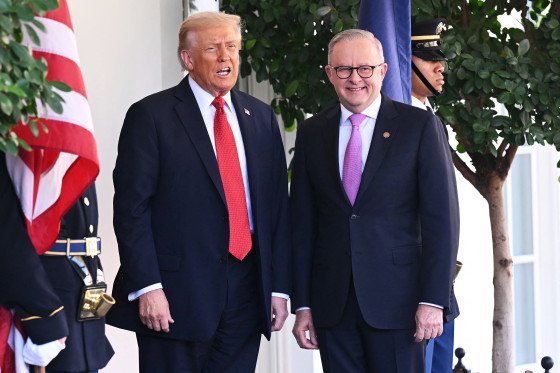
The war may be “over” according to the Trump administration, but the Albanese government is not holding its breath. Instead, it’s betting big on a $10 billion fuel security package to shield Australia from the long-term consequences of the Iran war.
The move is a clear indication that the government doesn’t expect a return to normal oil flows anytime soon, despite Trump’s claims of an imminent “complete and final agreement” with Iran.
The package, announced by the prime minister, includes a government-owned stockpile of diesel and jet fuel, as well as increased mandatory stockpiles held by the industry.
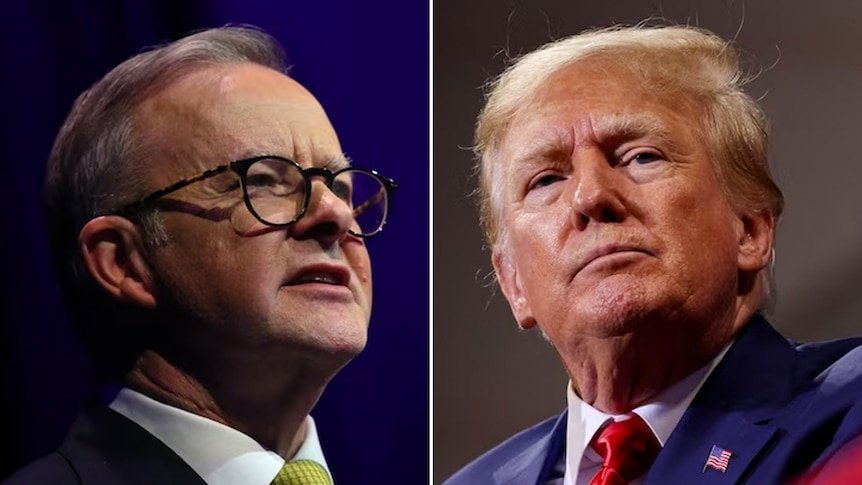
The plan aims to provide Australia with a total reserve of 50 days of fuel, but experts warn that even this may not be enough to guarantee “energy sovereignty”.
Treasurer Jim Chalmers has admitted that the economy is being “absolutely pummelled” by the conflict, and Australians are “hostage” to decisions being made in Washington and Tehran.

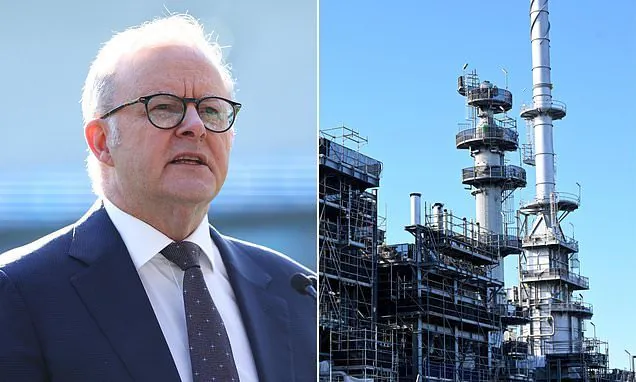


The government’s decision to intervene in the market and hold its own fuel reserve has been met with criticism from the opposition. Angus Taylor, the opposition leader, has proposed an alternative plan for a 60-day fuel stockpile, which would cost taxpayers a mere $800 million.
However, the government’s approach reflects its willingness to use its balance sheet to directly intervene in critical industries, a move that is in line with a global trend towards greater government intervention.
Analysis: What This Means for Australia
The Iran war has exposed Australia’s vulnerability to global economic shocks, and the government’s response is a clear attempt to boost the country’s “sovereignty” and “resilience”.
However, the opposition’s critique of the plan highlights the different ideological approaches to addressing this issue.
While the government is willing to use its balance sheet to intervene in the market, the opposition argues that this approach is only adding to higher debt and inflation.
Security analysts say that the government’s move is a necessary step to mitigate the risks associated with Australia’s dependence on fuel imports. “The government is taking a proactive approach to address the country’s fuel security concerns, which is essential in the current geopolitical climate,” said one expert.
However, others argue that the plan does not go far enough, and that more needs to be done to address the root causes of Australia’s vulnerability to global economic shocks.
As the budget approaches, the government’s fuel security package is likely to be a major talking point.
The opposition will be pressed to explain how it would address the issue, and whether it would scrap the government’s plan in favor of its own approach.
One thing is clear: the Iran war has exposed Australia’s vulnerabilities, and the government’s response will have far-reaching consequences for the country’s economy and national security.