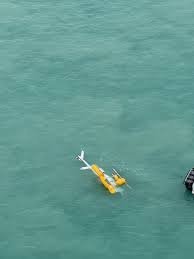
‘Miracle Survival’ as Helicopter Crashes into Waters Off Queensland Coast: Experts Warn of Deadly Risks for Untrained Passengers
- Three people seriously injured after helicopter ditches into waters off Far North Queensland
- Pilot’s mayday call saves lives, but passengers suffer chemical burns and serious injuries during 50-minute rescue
- Australian Transport Safety Bureau recommends emergency underwater evacuation training for frequent helicopter travellers over water
- Investigation highlights ‘hazards’ of helicopter escape, including disorientation, entanglement, and difficulty locating exits
A harrowing helicopter crash into the waters off Far North Queensland has sparked a fresh warning from the nation’s aviation watchdog: passengers who regularly travel by helicopter over water are putting their lives at risk without proper emergency training.
The Australian Transport Safety Bureau’s (ATSB) final report into the October 8 crash, which left three people seriously injured, has highlighted the critical need for helicopter underwater escape training (HUET) to prevent such disasters.
The Robinson R44 Raven I helicopter was flying over the Torres Strait, carrying a pilot and two passengers, when it suffered a total power loss at 600ft.

The pilot’s swift mayday call and deployment of emergency pop-out floats ensured the occupants’ survival, but the rescue effort was far from smooth. One passenger was forced to swim underwater to escape the sinking aircraft, while all three suffered serious chemical burns from aviation gasoline in the water.
The ATSB’s investigation has shed light on the ‘hazards’ of helicopter escape, including disorientation, entanglement with debris, unfamiliarity with seat belt release mechanisms, and difficulty locating or opening exits.


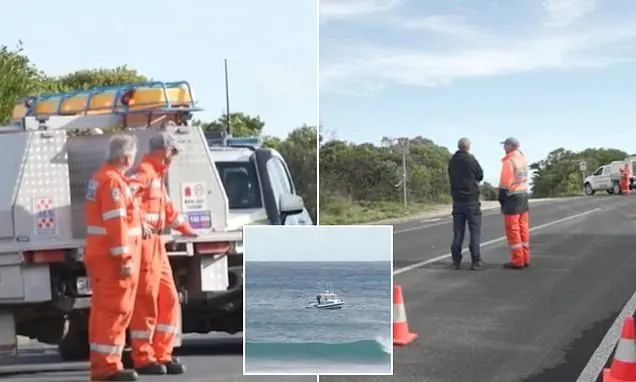

The report notes that passengers who regularly fly in helicopters for work are often not provided with aviation-specific training, including HUET. This lack of training can prove fatal in the event of an in-water accident.
According to the ATSB, HUET training provides individuals with familiarity with the crash environment and improves occupant confidence in their ability to manage an in-water emergency.
The agency has recommended that individuals and organisations whose employees regularly travel in helicopters over water consider the ‘potential life-saving benefits’ of HUET. This training could mean the difference between life and death in the event of a helicopter crash.
Analysis: What This Means for Australia
The ATSB’s report raises serious concerns about the safety of helicopter travel in Australia, particularly for those who regularly fly over water for work. The incident highlights the need for stricter safety protocols and training measures to be put in place to prevent such disasters.
As the demand for helicopter travel continues to grow, it is essential that the aviation industry prioritises the safety of its passengers.
Security analysts say that the incident serves as a stark reminder of the risks associated with helicopter travel.
‘This incident is a wake-up call for the aviation industry to take a closer look at its safety procedures and ensure that passengers are adequately trained to respond in emergency situations,’ said one expert.
Law enforcement insiders warn that the consequences of inadequate training can be devastating.
‘The fact that the passengers in this incident survived is a miracle, but it’s a stark reminder of the importance of proper training and safety protocols,’ said another expert.
Industry observers believe that the ATSB’s recommendations will lead to a significant increase in HUET training for helicopter passengers.
‘This incident will likely prompt a surge in demand for HUET training, as individuals and organisations seek to mitigate the risks associated with helicopter travel,’ said an industry insider.
In the wake of this incident, the ATSB’s warning serves as a timely reminder of the importance of prioritising safety in the aviation industry. As the agency continues to investigate the incident, one thing is clear: the need for HUET training is more pressing than ever.