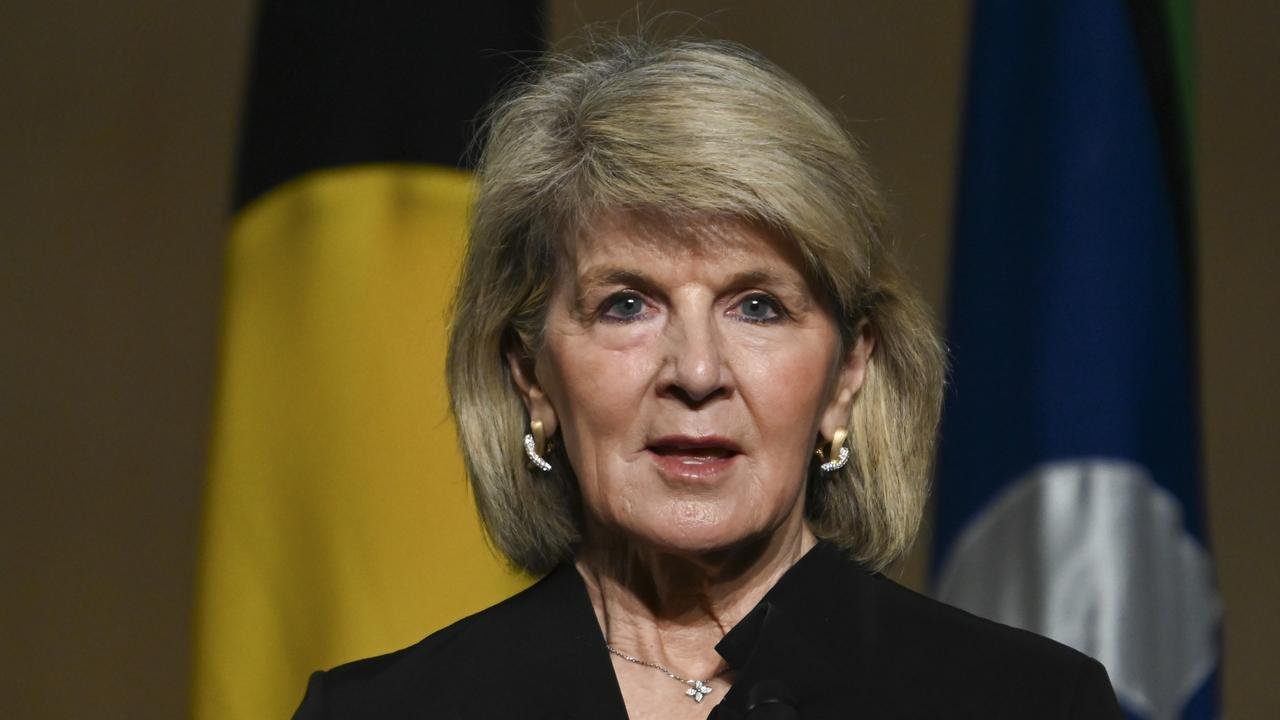
Embattled Former Foreign Minister Julie Bishop Quits as ANU Chancellor Amid Governance Scandals and Calls for Accountability
- Julie Bishop resigns as Australian National University (ANU) chancellor after months of pressure and controversy surrounding her tenure
- Her departure comes as the university faces multiple inquiries into its governance, including a probe by the Tertiary Education Quality and Standards Agency (TEQSA)
- Bishop’s resignation is seen as a chance for the university to rebuild trust with its community and restore its reputation after a tumultuous period
- Her departure marks the end of a 20-year career in federal politics, including serving as foreign affairs minister from 2013 to 2018
The Australian National University (ANU) has been plagued by controversy and upheaval in recent years, and the resignation of its chancellor, Julie Bishop, is the latest development in a saga that has left the institution reeling.
Bishop, a former foreign minister, had faced sustained pressure to step down amid multiple inquiries into the university’s governance, including a probe by the Tertiary Education Quality and Standards Agency (TEQSA).
Bishop’s tenure as chancellor was marked by controversy, including the scrapping of a $250 million cost-cutting plan that included job cuts, which prompted outrage on campus and resulted in multiple protests.
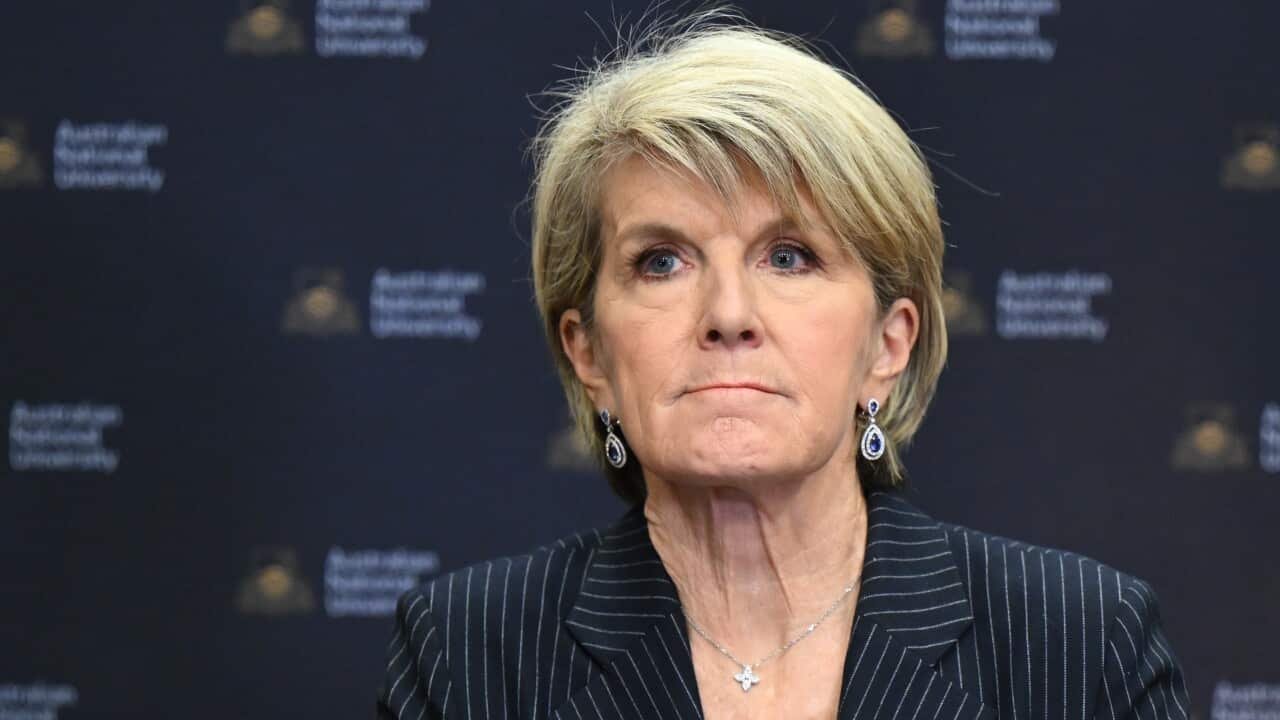
The plan, dubbed ‘Renew ANU’, was widely criticized, and an independent investigation found that the university had embarked on the project without clear evidence it was needed or achievable.
The university’s governance issues came to a head in August when academic Liz Allen used a Senate committee hearing to accuse Bishop and other members of the ANU executive of bullying, harassment, and hostile behavior.




Allen, a demographer, told the committee that she had experienced “threats, intimidation, and bullying” to the point of “near suicide.” Bishop categorically rejected the allegations, saying she had engaged with council members, staff, students, and observers with “respect, courtesy, and civility.”
Analysis: What This Means for Australia
The resignation of Julie Bishop as ANU chancellor has significant implications for the university and the broader Australian community. The institution is facing a critical period of rebuilding trust and restoring its reputation after a tumultuous few years.
The departure of Bishop, a high-profile figure in Australian politics, is seen as a chance for the university to start anew and address the governance issues that have plagued it.
Security analysts say that the ANU’s governance scandals have raised concerns about the institution’s ability to manage its resources and prioritize the needs of its students and staff.
The university’s reputation as a center of academic excellence has been tarnished, and it will take time and effort to restore it.
Law enforcement insiders warn that the ANU’s governance issues may have national security implications, particularly given the institution’s role in shaping Australia’s foreign policy and international relations.
The university’s ability to attract top talent and conduct cutting-edge research may be compromised if it is unable to address its governance issues.
Industry observers believe that the ANU’s governance scandals have highlighted the need for greater accountability and transparency in the higher education sector. The university’s experience serves as a cautionary tale for other institutions, which must prioritize good governance and responsible leadership to maintain public trust.
As the ANU begins the process of selecting a new chancellor, it is clear that the institution faces a long and difficult road to recovery.
However, with a newfound commitment to transparency and accountability, the university may be able to restore its reputation and emerge stronger and more resilient than ever.
ACT independent senator David Pocock, who had been vocal in calling for Bishop to resign, said that the university’s road to rebuilding trust with the community would take time.
“The challenges facing ANU did not arise overnight, and rebuilding trust and confidence across the university community will take time and careful work,” he said.
ACT Labor senator Katy Gallagher released a statement acknowledging Bishop’s resignation and calling for the university leadership and council to work openly and constructively with staff, students, and the broader community to rebuild confidence and agree on a path forward.
In an email to staff and students, the ANU Council said that Bishop had “raised the university’s profile domestically and internationally and strengthened global connections.” However, it noted that recent years had seen “significant turmoil in the governance of the university” and said it was “committed to restoring the university’s reputation with our community.”
The council said it had agreed that pro-chancellor Larry Marshall would act as chancellor until a permanent appointment was made. The university has announced changes to the recruitment process for Bishop’s successor, which will involve a panel of experts.