
Electric Vehicle Tax Break Sparks Fury as Nationals Leader Calls it ‘Upper-Class Welfare’ – But Is He Ignoring the Facts?
- A $2 billion electric vehicle tax discount has been branded a “completely failed scheme” by Nationals leader Matt Canavan, sparking outrage among supporters of the policy.
- Despite criticism, the policy has driven a surge in electric vehicle sales, with second-hand EVs leaping 138% between February and March.
- The tax break has been hailed as a success by the government, with 64,000 more EVs on the road and a reduction of two days’ worth of carbon emissions.
- But Canavan claims the policy only benefits the wealthy, citing concerns it’s “middle-class welfare” – a notion disputed by Treasury estimates and industry experts.
The electric vehicle tax break has been a contentious issue, with some hailing it as a crucial incentive for driving down carbon emissions, while others decry it as a handout to the wealthy.
At the heart of the debate is Nationals leader Matt Canavan, who has branded the policy a “completely failed scheme” and “upper-class welfare”. But is he ignoring the facts?
The policy, which exempts electric vehicles from fringe benefits tax (FBT), was introduced by the Labor government in 2022 to incentivize EV uptake.
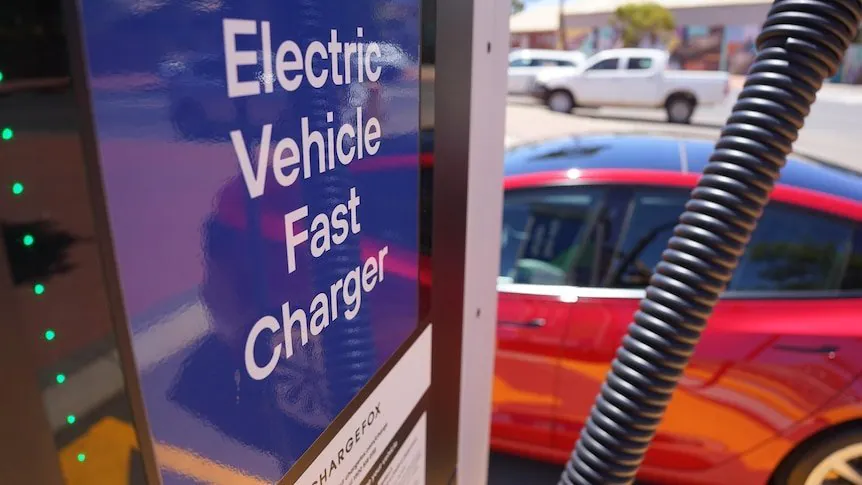
The tax break applies to novated leases, which allow car buyers to pay for the vehicle from pre-tax income, reducing their taxable income and subsequently their income tax.
The effect has been significant, with 64,000 more EVs on the road and a reduction of two days’ worth of carbon emissions.

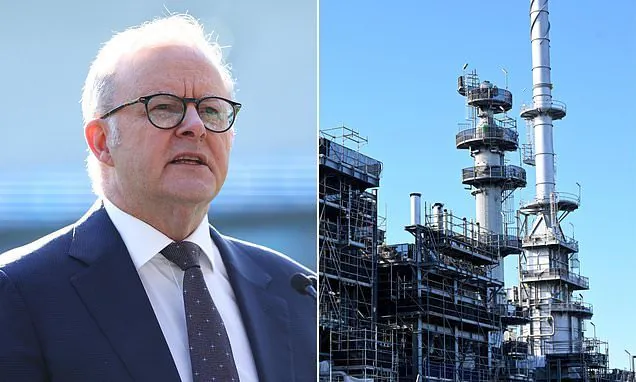


However, Canavan’s criticism centers on the notion that the policy only benefits the wealthy, citing concerns it’s “middle-class welfare”. He argues that the tax break is “providing an electric vehicle subsidy through the tax system” that only benefits those in the top tax bracket.
But Treasury estimates suggest this is not the case.
The revenue foregone from the FBT exemption is estimated to be around $1.4 billion in 2025-26, rising to $2.8 billion in 2028-29.
However, removing the exemption would not suddenly inject these dollars into the budget, as many would either opt to buy an EV outright or not buy one at all.
Industry experts also dispute Canavan’s claims.
A Redbridge poll of 2,269 people with novated leases found that the top reasons for buying an EV were saving money (65%) and qualifying for the FBT discount (57%).
Reducing dependence on petrol and diesel was the third most popular reason, at 39%. The findings suggest that cost and the FBT exemption are the main catalysts driving EV adoption, rather than environmental concerns.
Analysis: What This Means for Australia
The electric vehicle tax break has significant implications for Australia’s transition to a low-carbon economy. As the world grapples with the consequences of climate change, incentives like the FBT exemption are crucial for driving down emissions.
With the war in the Gulf demonstrating the vulnerability of fossil fuels, the demand for EVs is only set to increase.
The government’s decision to phase out the exemption may be seen as a step in the right direction, but it risks undermining the progress made so far.
Security analysts say that the shift towards EVs has significant implications for national security, as Australia reduces its reliance on imported fuels. The economic benefits of the policy are also clear, with the creation of new jobs and industries in the EV sector.
However, the phase-out of the exemption may have unintended consequences, particularly for lower-income households who are increasingly seeking alternatives to fossil fuels.
Law enforcement insiders warn that the phase-out may also have implications for road safety, as the increased demand for EVs may lead to a surge in unregistered vehicles on the roads.
Industry observers believe that the government must carefully consider the consequences of its decision and ensure that the transition to a low-carbon economy is managed effectively.