Global Health Alert as Hantavirus Outbreak Spreads on Cruise Ship: What This Means for Australia’s National Security and Public Safety
- Four Australians among 140 people on board the MV Hondius, which is set to dock in Tenerife with a rigorous plan in place to process passengers and crew.
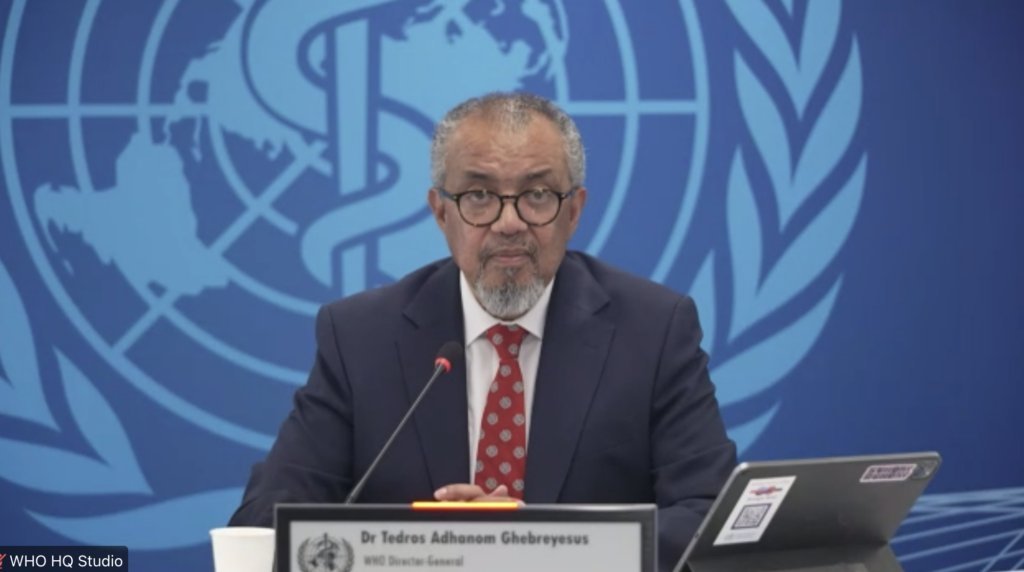
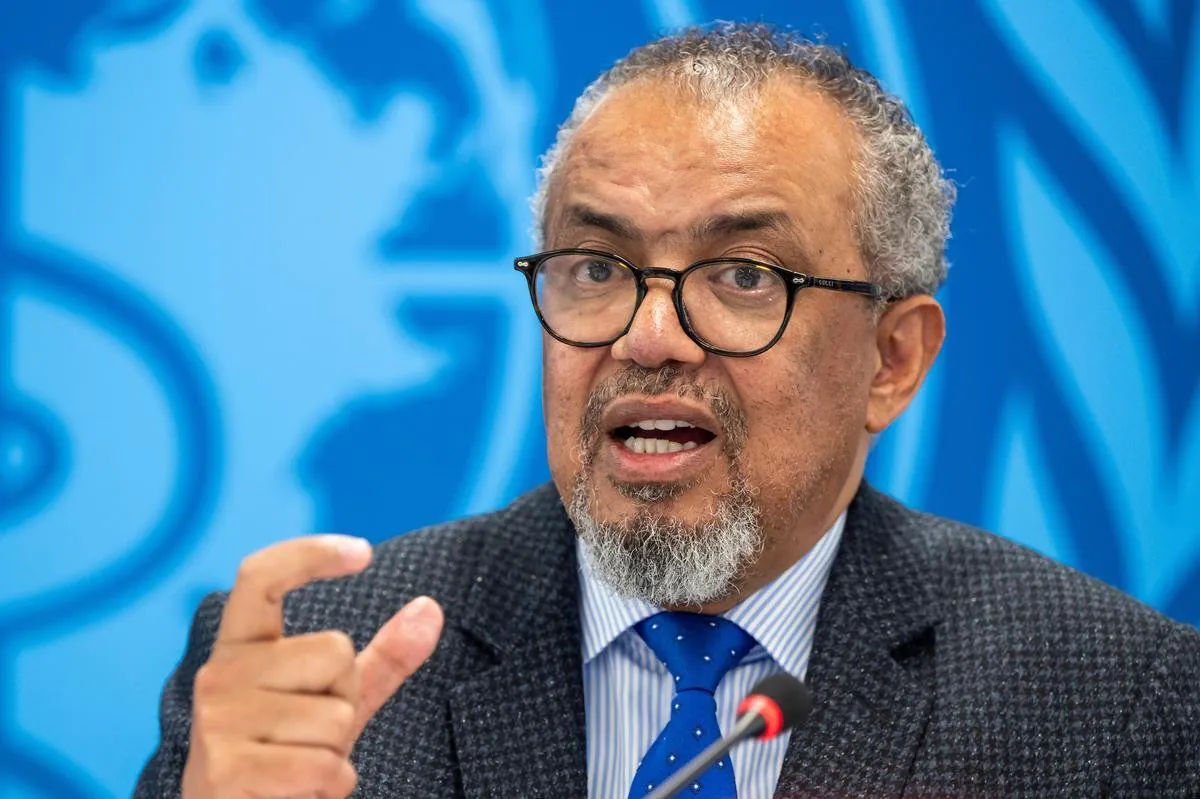
- World Health Organisation chief Tedros Adhanom Ghebreyesus assures locals that the virus is “low-risk” and “not another COVID-19,” but acknowledges global fears of another pandemic.
- Passengers who do not show symptoms will be medically examined and repatriated to their home countries, with some nations releasing plans for quarantining, including the use of biocontainment units.
- Australian government yet to reveal plans for processing the four Australian citizens and permanent resident on board, but an Australian consular official will be on the ground in Tenerife to assist.
The MV Hondius, a cruise ship carrying four Australians among its 140 passengers, is set to dock in Tenerife within hours, sparking concerns about the spread of hantavirus and the potential for another pandemic.
The World Health Organisation (WHO) has assured locals that the virus is “low-risk” and “not another COVID-19,” but the global community remains on high alert.
According to the WHO, hantavirus has spread to eight people on the ship, killing three and leaving a fourth fighting for life.
The virus is typically spread through contact with infected rodents or their urine, droppings, or saliva, with human-to-human transmission rare but possible in cases of extremely close contact.
The Andes strain detected in cruise ship patients and crew has been linked to limited human-to-human transmission in previous outbreaks.


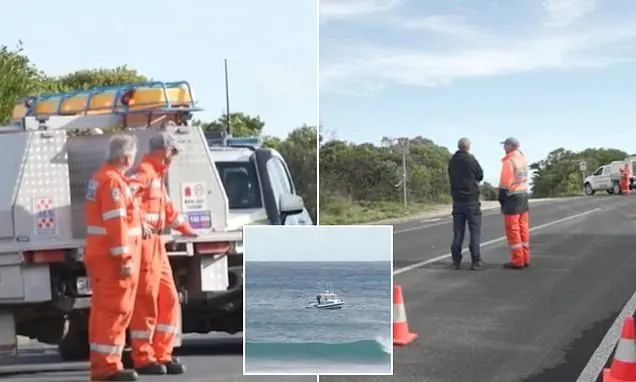

The cruise ship’s itinerary included visits to some of the world’s most remote islands, where passengers would have had contact with local wildlife, including whales, dolphins, penguins, and seabirds.
The extent of passenger contact with local wildlife during the voyage or prior to boarding in Ushuaia remains undetermined.
Argentine officials investigating the outbreak’s origins believe the couple who first contracted the virus may have been exposed to rodents carrying the infection during a bird-watching tour in Ushuaia before boarding.
As the MV Hondius prepares to dock, a strong logistical mission is in place to ensure all precautions are taken.
Passengers who do not show symptoms will be medically examined and repatriated to their home countries, with some nations releasing plans for quarantining, including the use of biocontainment units.
The Australian government has not yet revealed its plans for processing the four Australian citizens and permanent resident on board, but an Australian consular official will be on the ground in Tenerife to assist.
Analysis: What This Means for Australia
The hantavirus outbreak on the MV Hondius has significant implications for Australia’s national security and public safety.
The fact that four Australians are on board the ship highlights the need for robust quarantine and health monitoring protocols to prevent the spread of the virus.
The Australian government must ensure that it has a clear plan in place for processing the returning travellers, including quarantine, testing, and health monitoring.
Security analysts warn that the hantavirus outbreak is a stark reminder of the risks associated with global travel and the need for enhanced biosecurity measures. The use of biocontainment units and rigorous health screening protocols will be crucial in preventing the spread of the virus.
The Australian government must also work closely with states and territories to ensure a coordinated response to the outbreak.
Law enforcement insiders believe that the hantavirus outbreak highlights the need for increased cooperation between governments and health authorities to share information and coordinate responses to public health emergencies.
The Australian government must also ensure that it has adequate resources and funding in place to respond to such emergencies.
Industry observers believe that the hantavirus outbreak will have significant economic and social consequences for the tourism and travel industries. The outbreak is likely to impact consumer confidence and lead to increased cancellations and travel restrictions.
The Australian government must work closely with industry stakeholders to develop strategies to mitigate the impact of the outbreak.
The hantavirus outbreak on the MV Hondius is a timely reminder of the importance of global cooperation and preparedness in responding to public health emergencies.
The Australian government must take a proactive approach to ensuring the safety and security of its citizens, while also working to prevent the spread of the virus.
As the situation continues to unfold, one thing is clear: the hantavirus outbreak on the MV Hondius is a wake-up call for Australia and the world to be prepared for the unexpected.